
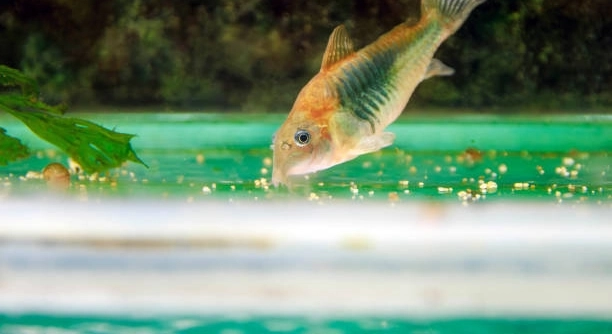
Corydoras catfish are popular aquarium residents known for their peaceful nature. However, they can experience stress during various situations. Understanding how to care for them in these moments is crucial to maintaining their health and well-being.
To keep Corydoras catfish healthy during stressful situations, provide them with stable water conditions, appropriate tank mates, and a calm environment. Additionally, ensure they have hiding spots and a well-balanced diet to help them recover from stress effectively.
By understanding the challenges that affect Corydoras catfish, you can improve their overall health and reduce stress-related issues.
Stable Water Conditions
Water quality is essential for Corydoras catfish. They are sensitive to changes in temperature, pH, and ammonia levels. Fluctuations in water conditions can cause them stress and lead to health problems. Keeping the water clean and stable is the first step in ensuring their well-being during stressful situations.
Testing the water regularly is crucial. Ammonia and nitrites should be at zero, and nitrates should stay low to avoid poisoning your fish. The water temperature should be consistent and within the recommended range for Corydoras. A good filtration system can help maintain water quality.
Make sure to perform partial water changes regularly, especially if you notice any water quality issues. A stable environment allows Corydoras to feel secure, helping them cope with stress better. They will thrive in a tank that mimics their natural habitat, with clear, clean water and consistent conditions.
Appropriate Tank Mates
Choosing the right tank mates is vital for reducing stress in Corydoras. They are peaceful fish and do best with non-aggressive species. Avoid placing them with larger, more dominant fish that could intimidate or harm them.
Having peaceful companions in the tank helps create a calm atmosphere, which is crucial for Corydoras’ mental health. This reduces the chances of aggression and competition for food. When they are placed with compatible species, Corydoras can coexist peacefully, allowing them to feel safe and secure in their environment. A stable social environment leads to healthier, less stressed fish overall.
Hiding Spots
Corydoras catfish thrive when they have plenty of hiding spots in their tank. They are shy fish and enjoy retreating to a safe space when feeling stressed. Providing caves, plants, or driftwood can make them feel secure. This helps them cope better in a busy or stressful tank environment.
Having hiding spots also helps them feel less exposed to any potential threats. When they feel safe, Corydoras are less likely to display signs of stress, such as hiding for extended periods or becoming more inactive. Ensure the hiding spots are easily accessible but not too cramped, so they can swim freely if needed.
Corydoras are naturally bottom-dwelling fish, so it’s essential to place hiding spots at the bottom of the tank. Create a layout that allows them to move around but still have areas to retreat if necessary. This allows them to rest and recover from stressful situations while feeling secure in their surroundings.
Well-Balanced Diet
A well-balanced diet is essential for keeping Corydoras healthy, especially during times of stress. Providing a variety of food sources helps ensure they receive the nutrients they need. High-quality pellets, live or frozen foods, and occasional vegetable matter should be part of their regular diet.
Feeding them a variety of food not only meets their nutritional needs but also keeps them active and engaged. Corydoras are opportunistic feeders, and they will appreciate a range of food options. When they are well-fed, they are better able to handle stressful situations, as they will have the energy needed to recover and stay healthy.
Overfeeding, however, can lead to water quality issues, which can increase stress levels. Stick to a feeding schedule that allows them to eat enough without leaving uneaten food to decay. This balance will promote long-term health and reduce the chance of stress-related complications.
Water Flow
Corydoras prefer calm water, so it’s important to avoid strong currents. A strong filter or water flow can cause stress and exhaustion. Adjust the filter settings or add plants and decorations to break the flow. Keeping the water calm will allow them to feel secure and comfortable.
Corydoras are not strong swimmers, so turbulent water can make them feel trapped or unsafe. Ensuring they have a peaceful environment will reduce stress. It’s best to position the filter near the surface to create gentle movement while maintaining calmness at the bottom where the Corydoras swim.
Tank Temperature
Maintaining a stable tank temperature is crucial for Corydoras. Sudden temperature fluctuations can cause stress and health issues. Ensure the water stays within their preferred range, usually between 72°F and 78°F. A reliable heater can help maintain this stability.
Keep an eye on the temperature regularly to avoid any sudden changes. Corydoras are sensitive to both cold and hot water. Keeping their environment consistent helps them thrive and minimizes the risk of stress-related illnesses.
Regular Monitoring
Monitoring your Corydoras regularly is essential for keeping them healthy during stressful situations. Check their behavior, appearance, and water conditions frequently. If something seems off, investigate and adjust the environment accordingly. Early detection helps prevent further stress.
FAQ
What are the signs of stress in Corydoras catfish?
Stress in Corydoras catfish can manifest in several ways. Common signs include hiding more than usual, swimming erratically, or appearing lethargic. If they stop eating or start breathing rapidly, it’s a strong indication that something is wrong. Stress can also cause Corydoras to rub against objects in the tank or scrape their bodies. If these behaviors are noticed, check water quality, temperature, and tank mates to identify the cause.
How can I reduce stress for Corydoras in a community tank?
To reduce stress in a community tank, it’s essential to keep tank mates compatible. Avoid placing Corydoras with aggressive or fast-moving fish. Additionally, ensure the tank is not overcrowded, as too many fish can create stress due to competition for space and food. Providing plenty of hiding spots and plants will also help Corydoras feel secure.
Can Corydoras handle high temperatures?
Corydoras can tolerate warm water, but temperatures above 80°F should be avoided. Prolonged exposure to high temperatures can cause stress, lower oxygen levels, and make them more susceptible to disease. It’s important to maintain a stable water temperature between 72°F and 78°F to ensure their health and comfort.
What should I feed my Corydoras catfish to keep them healthy?
Corydoras are bottom feeders and benefit from a varied diet. High-quality sinking pellets designed for bottom-dwelling fish are a good staple. You can supplement their diet with live or frozen foods, such as bloodworms, brine shrimp, or daphnia. Occasional vegetable matter like blanched zucchini or spinach will also provide essential nutrients.
How do I prevent my Corydoras from becoming sick during stressful situations?
Preventing illness during stressful times starts with providing a stable environment. Ensure good water quality by performing regular water changes and monitoring parameters like pH, ammonia, nitrites, and nitrates. Stress weakens the immune system, making fish more susceptible to disease, so it’s crucial to minimize stressful factors like aggressive tank mates or sudden changes in the environment.
Is it necessary to have a filter in a Corydoras tank?
Yes, having a filter is crucial for maintaining good water quality. Corydoras thrive in clean, well-oxygenated water. A filter helps remove toxins, excess food, and waste, keeping the water fresh. However, ensure the filter isn’t too strong, as Corydoras prefer calm waters. You can add some decorations or plants to diffuse the water flow if needed.
How often should I clean my Corydoras tank?
Regular tank maintenance is essential for Corydoras. Perform partial water changes every 1-2 weeks, removing around 20-25% of the water each time. Clean the substrate during water changes to remove waste that may build up. Always monitor water quality to ensure the tank stays healthy, as poor water conditions can lead to stress and illness.
Can I keep Corydoras with other bottom-dwelling fish?
It is possible to keep Corydoras with other bottom-dwelling fish, but care must be taken when choosing tank mates. Fish like loaches or certain species of catfish may compete with Corydoras for food and space. It’s essential to select peaceful species that won’t intimidate or outcompete them, ensuring a balanced environment for everyone.
How can I tell if my Corydoras is healthy?
Healthy Corydoras should swim actively and have a clean, smooth body without visible lesions or abnormal growths. They should eat regularly and show curiosity when exploring the tank. If your Corydoras is swimming normally, has clear eyes, and appears to be alert, it’s a sign that they are in good health.
What should I do if my Corydoras is sick?
If your Corydoras shows signs of illness, such as unusual swimming behavior, loss of appetite, or visible lesions, it’s crucial to act quickly. First, check the water parameters and adjust as needed. Isolate the sick fish in a hospital tank to prevent the spread of disease. You may need to treat with medication or seek advice from an aquarium professional for a specific diagnosis.
Final Thoughts
Caring for Corydoras catfish involves creating a stable, calm environment that supports their health and well-being, especially during stressful situations. These fish are sensitive to changes in their surroundings, so ensuring the right water quality, temperature, and tank conditions can make all the difference. Providing hiding spots and a balanced diet helps them feel secure and reduces stress, which in turn supports their overall health. When stressed, Corydoras can exhibit several signs, such as hiding more often or swimming erratically, so it’s essential to monitor their behavior closely. Addressing stress factors promptly will help them recover quickly and thrive in their tank.
Corydoras are generally peaceful fish that enjoy a quiet tank with compatible tank mates. They prefer calm water and require gentle filtration to avoid strong currents. A good filter is important for maintaining water quality, but it should be adjusted to prevent any disruption to the natural peace of the tank. Regular water changes, along with monitoring pH, ammonia, nitrites, and nitrates, will help keep the tank environment safe. Furthermore, keeping the tank not overcrowded and providing enough space for each fish ensures they are not stressed by competition for food or space.
Finally, the health of Corydoras relies on their ability to adapt to their environment. A well-balanced diet, appropriate water conditions, and the presence of hiding spots go a long way in ensuring that they stay happy and healthy. Regularly checking on their condition and making adjustments when necessary will allow you to address any issues before they become serious. Keeping an eye on their behavior, maintaining a peaceful tank, and minimizing stress are the best ways to ensure that your Corydoras catfish live long, healthy lives. With proper care, they can be a peaceful and vibrant addition to your aquarium.

Hello,
If you enjoy the content that we create, please consider saying a "Thank You!" by leaving a tip.
Every little bit helps us continue crafting quality advice that supports the health, happiness, and well-being of pets around the world, for pets of all shapes, sizes, and species.
We really appreciate the kindness and support that you show us!