
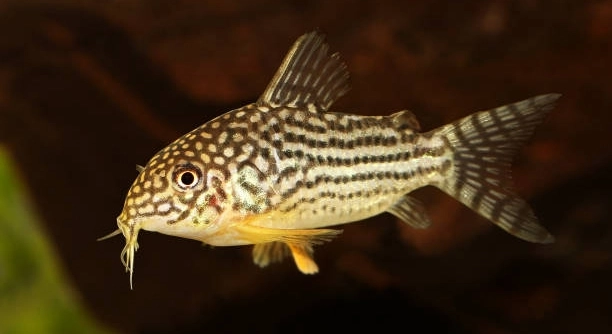
Corydoras catfish are popular aquarium fish known for their peaceful nature. However, it’s essential to ensure they receive enough food to thrive. Identifying when they need more food can help keep them healthy and active in your tank.
Corydoras catfish typically show signs of hunger when they are consistently foraging at the bottom of the tank, or when they become more active in search of food. It is important to monitor their behavior and adjust feeding accordingly to meet their needs.
Properly feeding your corydoras catfish is vital for their overall well-being. Knowing the signs that they need more food ensures their health and happiness in the aquarium.
Signs Your Corydoras Catfish Are Hungry
Corydoras catfish are bottom dwellers, and it’s natural for them to spend a lot of time foraging for food. However, if you notice them constantly searching for food, it may be a sign that they are not getting enough. These fish rely on both regular feeding and natural food sources in the tank. They are opportunistic feeders and will happily accept food from the surface or the bottom of the tank. If they are consistently scouring the substrate for more, it could indicate that their needs aren’t being met.
If your Corydoras catfish are constantly searching for food, it could be due to underfeeding. They might not be getting enough to eat during scheduled feeding times. It is essential to adjust the amount and frequency of feedings to ensure they are receiving proper nutrition.
You should also monitor how often you feed them. Corydoras catfish do well with multiple small feedings throughout the day rather than one large meal. Providing smaller amounts at different times helps prevent overfeeding while ensuring they are consistently fed. Additionally, some Corydoras may have competition for food in the tank, which could be another reason they are always hunting for more. Make sure they are getting enough attention during feeding.
How to Feed Your Corydoras Catfish Properly
Feeding your Corydoras the right amount is essential for their health. Provide them with sinking pellets, frozen foods, and occasional live options. They will forage for food throughout the day.
Feed them small amounts multiple times a day. This method mimics their natural behavior and ensures they’re getting the right nutrition. You’ll quickly notice their improvement in overall health.
Corydoras Catfish and Tankmates
If you have multiple fish in your tank, your Corydoras might struggle to get enough food. Larger or faster fish may dominate during feeding time, leaving the catfish with little to eat. Watching their feeding behavior can help identify if they’re being outcompeted.
Make sure to observe how food settles in the tank. Corydoras are bottom feeders, and they rely on food that sinks. If faster swimmers take all the food from the surface, your Corydoras may not be getting what they need. Consider adjusting your feeding technique by adding sinking pellets or other bottom-feeding options. This gives your Corydoras a fair chance to eat without competition. You might also want to create a more peaceful feeding environment by separating aggressive tankmates during feeding times.
Having the right tankmates for your Corydoras is key. Tankmates that don’t interfere with their feeding habits can help ensure the catfish are well-fed. Aggressive fish or those that are quicker at getting food could be the reason your Corydoras are constantly searching.
Choosing the Right Food for Your Corydoras
Corydoras catfish thrive on a varied diet. They will enjoy sinking pellets, frozen foods like bloodworms, and even small live options. Providing a mix helps ensure they get all the nutrients they need to stay healthy.
Sinking pellets are a staple for Corydoras. These pellets will sink to the bottom of the tank, where your catfish can access them easily. You can also offer frozen or freeze-dried foods as treats, such as brine shrimp or bloodworms. These foods are rich in protein and will help your Corydoras maintain a healthy diet. Live foods can also be used on occasion, but it’s essential to ensure they’re safe for aquarium use. Variety is key for their health, so offering different types of food will give them the best chance to thrive.
Overfeeding vs. Underfeeding
While it’s important to ensure your Corydoras get enough food, overfeeding can cause serious issues. Excess food can decay in the tank, leading to water quality problems and unhealthy conditions. Finding the right balance is crucial.
Monitor the amount of food you provide and adjust based on your catfish’s behavior. Overfeeding can lead to excessive waste in the tank, while underfeeding causes hunger and stress. It’s a delicate balance to avoid both extremes. Always remove any uneaten food after a few hours to maintain a healthy environment.
Adjusting Feeding Times
Corydoras catfish do well with multiple feedings throughout the day. It prevents them from becoming overly hungry and ensures they get consistent nutrition. Smaller, more frequent meals help keep them active and healthy.
This method mimics their natural foraging behavior, ensuring they receive the nutrients they need without overwhelming their system. Stick to a feeding schedule to prevent overfeeding and reduce stress. Regularly check to see how much your Corydoras are eating and adjust portions as necessary.
The Importance of Tank Maintenance
Regular tank maintenance plays a big role in ensuring your Corydoras remain healthy. Keeping your tank clean, with a good filtration system, will ensure that uneaten food doesn’t pollute the water.
Corydoras catfish are sensitive to poor water conditions. Make sure you keep up with water changes and monitor the tank’s filtration system. A clean, well-maintained tank supports the overall well-being of your fish and helps prevent issues related to feeding.
FAQ
How often should I feed my Corydoras catfish?
It’s best to feed your Corydoras catfish small amounts 2-3 times a day. They are bottom feeders and will benefit from having food available throughout the day. This mimics their natural foraging behavior and ensures they aren’t left hungry. Avoid overfeeding to keep the tank clean and maintain water quality.
What type of food is best for Corydoras catfish?
Corydoras catfish thrive on sinking pellets, which they can easily find at the bottom of the tank. You can also feed them frozen or freeze-dried foods like bloodworms, brine shrimp, and daphnia. Variety is important, so mixing their diet with occasional live foods will ensure they get a well-rounded nutrition profile.
How do I know if I am overfeeding my Corydoras catfish?
Overfeeding can lead to uneaten food sinking and decomposing, which pollutes the tank. Signs of overfeeding include poor water quality, an increase in algae, and the presence of uneaten food in the substrate. Keep an eye on your catfish’s eating habits and remove any excess food after a few hours to avoid these issues.
How do Corydoras catfish act when they are hungry?
Corydoras catfish will become more active, constantly searching for food at the bottom of the tank. If they’re not getting enough food, they might appear restless and spend a lot of time near the substrate, trying to find scraps. Their foraging behavior can also increase if they are not fed regularly.
Can Corydoras catfish eat vegetables?
Yes, Corydoras catfish can eat certain vegetables. Blanched zucchini, peas, and spinach are good options. These vegetables provide extra nutrients and variety in their diet. Be sure to remove any uneaten veggies to prevent the tank from becoming polluted.
How can I prevent my Corydoras from competing with other fish during feeding?
To prevent competition, consider feeding your Corydoras at the bottom of the tank with sinking pellets or foods specifically designed for bottom feeders. You may also want to separate aggressive or faster fish from the feeding area during meal times to ensure your Corydoras get their fair share.
Why do my Corydoras catfish seem to be constantly foraging?
If your Corydoras are always foraging, it might be a sign they’re not getting enough food during feeding times. They could be outcompeted by other fish or simply not getting enough food overall. Adjust the amount or frequency of feeding, and consider providing sinking food that reaches the bottom where they forage.
How can I tell if my Corydoras are getting enough to eat?
Your Corydoras will be healthy and active if they are getting enough food. Look for signs of weight gain and increased activity. If they are not constantly scouring the substrate for food, it’s likely they are receiving enough nutrition. Make sure they look plump and not too thin.
What should I do if my Corydoras aren’t eating?
If your Corydoras are not eating, check the water quality, as poor conditions can reduce their appetite. Make sure your tank is clean, with appropriate filtration and water parameters. Additionally, try different types of food to see if they prefer one over another. If they still refuse to eat, it might be worth consulting a veterinarian.
How can I avoid overfeeding my Corydoras catfish?
To avoid overfeeding, only give your Corydoras enough food for them to finish in a few minutes. If there is excess food after 15-20 minutes, remove it from the tank. This helps maintain water quality and prevents uneaten food from decomposing. Smaller, more frequent feedings are generally better than one large meal.
Can Corydoras catfish eat algae?
Corydoras catfish may nibble on algae, but they are not algae eaters like some other species. While they might help with some algae control, they still require a varied diet that includes sinking pellets, protein-rich foods, and occasional vegetables to stay healthy. Don’t rely on them to clean your tank of algae entirely.
Do Corydoras catfish need special food when breeding?
When breeding, Corydoras catfish may have increased nutritional needs. You can feed them a high-quality, protein-rich diet that includes live or frozen foods like brine shrimp and bloodworms. This helps ensure both the parents and any potential offspring receive the necessary nutrients during the breeding process.
Can I feed my Corydoras catfish live food?
Yes, Corydoras catfish enjoy live food and it can be a great way to enhance their diet. Live food options like brine shrimp, daphnia, and earthworms can provide extra nutrients. Just be sure the live food is from a safe, clean source to prevent introducing any parasites or diseases into the tank.
How can I tell if my Corydoras are stressed from hunger?
Stressed Corydoras may exhibit behaviors like constant searching for food, unusual swimming patterns, or hiding more frequently than usual. They may also lose their appetite entirely if they are underfed or stressed. Keep an eye on their overall behavior to gauge whether they need more food.
How do I feed my Corydoras catfish in a tank with multiple fish?
In tanks with multiple fish, try using sinking pellets that will reach the bottom where the Corydoras can easily access them. You can also create designated feeding areas to make sure your catfish have a chance to eat without competition. Separate the faster fish to avoid food disputes.
Final Thoughts
Feeding your Corydoras catfish the right amount and type of food is essential for their health and well-being. These bottom-dwelling fish have specific dietary needs that must be met to ensure they stay active, happy, and disease-free. By offering a balanced diet of sinking pellets, frozen or live foods, and occasional vegetables, you provide them with the nutrients they need to thrive. Regularly monitoring their eating habits, checking for signs of hunger, and adjusting your feeding routine will help maintain their health and prevent overfeeding or underfeeding.
In addition to proper feeding, maintaining a clean and healthy tank environment is just as important. Uneaten food can decay and pollute the water, affecting your Corydoras’ overall health. It’s crucial to remove any excess food after each feeding and keep an eye on the water quality. Regular tank maintenance, such as performing water changes and ensuring proper filtration, will create a safe and comfortable environment for your catfish to thrive. Without a healthy tank, even the best feeding routine can be undermined by poor water quality.
Lastly, each Corydoras catfish is unique, so it’s important to adjust their diet based on their individual behavior and needs. Keep an eye on their activity levels and physical condition, and make changes to their feeding schedule or food variety as necessary. Over time, you’ll learn the specific preferences of your catfish, making it easier to provide them with the best care possible. By paying attention to their needs, you ensure your Corydoras catfish stay healthy and happy for years to come.

Hello,
If you enjoy the content that we create, please consider saying a "Thank You!" by leaving a tip.
Every little bit helps us continue crafting quality advice that supports the health, happiness, and well-being of pets around the world, for pets of all shapes, sizes, and species.
We really appreciate the kindness and support that you show us!