
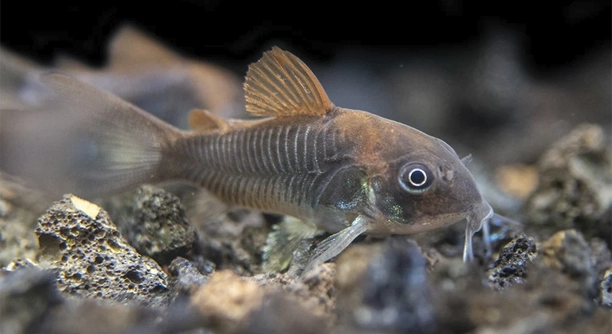
Corydoras catfish are fascinating creatures that require careful attention to water flow in their tank. Their natural environment consists of gentle currents, and replicating these conditions can lead to healthier, happier fish. Proper water movement is essential.
Improving water flow for Corydoras involves adjusting filter placement, water surface agitation, and using specific aquarium equipment designed to create slow, steady currents. Modifying these factors ensures optimal conditions for the fish, promoting health and natural behavior.
Understanding these adjustments will make a significant difference in your Corydoras’ well-being. You can easily create a more suitable environment for your fish with just a few changes.
Adjust the Filter Placement
The placement of your aquarium filter plays a significant role in water flow for Corydoras. These catfish thrive in gentle currents, so it’s essential to position your filter in a way that mimics their natural habitat. Ideally, the filter should be placed on one side of the tank, aiming the output toward the opposite side. This helps to create a mild, broad current rather than a strong, direct stream of water. If the current is too strong, Corydoras may become stressed, and this can impact their overall health.
It’s important to note that filter placement is just one factor. You might need to experiment with the position to ensure it provides the ideal flow. Ensuring the filter is not too close to any substrate or décor also reduces turbulence in the water, creating a smoother flow.
In addition to the filter placement, consider the type of filter you use. Hang-on-back (HOB) filters or sponge filters are ideal choices for Corydoras. They provide a steady, soft current without the intensity found in canister filters or powerheads. Sponge filters, in particular, are gentle and serve as both filtration and aeration. The goal is to maintain water flow that supports the natural behavior of your Corydoras while avoiding overwhelming them with strong currents.
Surface Agitation
Surface agitation is another effective way to improve water flow for Corydoras. This can be easily achieved by adjusting the filter output to disturb the water surface slightly. It helps to ensure oxygen exchange and keeps the water clean by preventing stagnation. Too little surface agitation may lead to poor water quality, which can affect your fish’s health.
By creating gentle ripples on the water’s surface, you enhance water movement throughout the tank without causing harsh currents. This subtle agitation helps your Corydoras feel more at ease and promotes healthy water circulation. Proper water movement encourages the fish to be active and feel secure.
Use a Sponge Filter
Sponge filters are a great choice for Corydoras catfish, as they provide gentle filtration and oxygenation without disturbing the tank’s environment. They are ideal for smaller tanks or when a mild current is needed.
Sponge filters allow water to be pulled through the filter sponge, creating a soft, gentle flow that does not stress Corydoras. The filter’s air-driven system helps maintain low water movement while still keeping the tank clean and oxygenated. Corydoras prefer these quiet, calm conditions, making sponge filters an excellent solution for their habitat.
In addition to providing filtration, sponge filters also allow beneficial bacteria to grow, which helps break down harmful substances like ammonia and nitrites in the water. The steady flow of water through the sponge allows waste and debris to be trapped, ensuring that the tank remains clean without creating turbulence. This type of filter supports a balanced, healthy ecosystem for your Corydoras.
Avoid Strong Powerheads
Powerheads are not ideal for Corydoras. These filters create powerful currents that can overwhelm them, causing stress and making it harder for them to move naturally. Strong currents can push the fish around, which may prevent them from foraging or swimming comfortably.
If you already have a powerhead, consider replacing it with something gentler. You can use adjustable powerheads that allow you to control the flow rate, but it’s still important to set them low to avoid a fast-moving current. Additionally, placing the powerhead at the far end of the tank or behind decorations helps to diffuse the water flow, ensuring that the current is spread out and not concentrated in one area.
Reducing the flow of powerheads will give your Corydoras a chance to explore their tank without the pressure of a strong current. By maintaining a gentle flow, you’ll be mimicking their natural environment, where currents are mild and calm.
Use Driftwood to Redirect Flow
Driftwood can be a useful addition to your aquarium when adjusting water flow for Corydoras. It helps deflect and soften strong currents by creating natural barriers in the tank.
Placing driftwood strategically in the tank will break up direct water flow from filters or powerheads. This way, Corydoras can swim comfortably without being pushed around by harsh currents. The wood’s natural texture also adds hiding spots, making it more appealing to your fish.
Additionally, driftwood releases tannins that lower pH and add slight coloration to the water, mimicking the environment these catfish are used to in the wild.
Use a Spray Bar for Even Flow
A spray bar is an excellent tool for distributing water flow more evenly across the tank. By attaching it to the filter’s output, it helps create a softer, more uniform current. This is especially important for Corydoras, who thrive in environments with gentle water movement.
Spray bars can be easily adjusted to control the direction and strength of the flow. When set up properly, the spray bar will prevent one spot in the tank from receiving strong, concentrated currents. This allows your Corydoras to swim freely throughout the tank without facing turbulence from a powerful stream of water.
Keep Decorations and Substrate in Mind
Carefully consider your tank’s layout, especially regarding substrate and decorations. Placing rocks or plants in strategic positions can help to divert water flow, creating calmer areas for Corydoras to rest or explore. Additionally, the type of substrate you use will affect water movement.
A fine substrate, such as sand, reduces water disturbance and allows Corydoras to sift through it naturally, which is an essential behavior for them. Conversely, larger gravel can trap debris and increase water flow, which may stress the fish. A balanced tank setup, with well-placed decorations and the right substrate, supports optimal water movement.
FAQ
How do I know if the water flow is too strong for my Corydoras?
If the water flow is too strong for your Corydoras, you’ll notice them struggling to swim against the current. They may stay in one spot, or you might see them clinging to plants or decorations to avoid being pushed around. Corydoras prefer slow, steady movement and may become stressed if the current is too intense, causing them to hide more often or appear lethargic. If you see this behavior, it’s a good sign that the water flow needs to be adjusted.
Can I use a filter that creates a strong current for Corydoras?
No, strong currents are generally not suitable for Corydoras. These fish are bottom dwellers and prefer gentle water movement, which mimics the slow-moving rivers and streams they inhabit in the wild. Using a filter that creates a powerful current can cause stress and hinder their natural behavior. If you must use such a filter, make sure it has an adjustable flow rate so you can decrease the strength of the current.
What is the best filter for Corydoras catfish?
Sponge filters or hang-on-back (HOB) filters are the best options for Corydoras. Sponge filters provide gentle, consistent filtration and help maintain a calm environment. They also help oxygenate the water without causing turbulence. HOB filters can be adjusted to lower the flow, and they typically provide sufficient filtration without creating strong currents. Avoid using canister filters or powerheads, as they can be too powerful for Corydoras.
Should I use a powerhead to improve water flow in a Corydoras tank?
A powerhead is not recommended for a Corydoras tank due to its strong current. These filters are often too intense for bottom-dwelling fish like Corydoras. If you need to use a powerhead, ensure it has adjustable flow and position it carefully to diffuse the current. However, sponge filters or a gentle HOB filter will be much more appropriate for creating the ideal environment for these fish.
How can I reduce water flow without affecting filtration?
To reduce water flow without compromising filtration, you can use a spray bar or position the filter in a way that redirects the flow. A spray bar disperses the water across a larger area, creating a gentler current. Additionally, placing decorations like plants or driftwood in the tank can help block and redirect water flow, ensuring that the current remains soft enough for Corydoras to thrive.
Do Corydoras like to swim against the current?
No, Corydoras generally do not enjoy swimming against strong currents. They are natural bottom dwellers and prefer calm, slow-moving waters where they can forage and sift through the substrate. While they may occasionally swim in the water column, they typically avoid strong currents that make swimming difficult. Ensuring a gentle water flow will make your Corydoras feel more comfortable and allow them to behave naturally.
How can I make the water flow more suitable for Corydoras without changing the filter?
If you want to adjust the water flow without changing the filter, you can try altering its position or adding accessories like a spray bar. The spray bar will help diffuse the water flow and create a more gentle current. You can also place decorations such as rocks, plants, or driftwood strategically to deflect the flow and create calmer areas in the tank. By making these adjustments, you can provide a more natural environment for your Corydoras without needing to replace the filter.
How often should I adjust the water flow in my Corydoras tank?
You should only need to adjust the water flow in your Corydoras tank if you notice any signs of stress, such as the fish hiding or struggling to swim. Once the water flow is adjusted to the right level, it generally doesn’t need to be changed frequently. However, if you make any changes to the tank setup, such as adding new equipment or decorations, check the flow again to ensure it remains suitable for your Corydoras.
Can I use a surface skimmer in a Corydoras tank?
Yes, you can use a surface skimmer in a Corydoras tank, but it should be set to a low flow rate. Surface skimmers help remove debris from the water surface, improving water quality. However, make sure the flow created by the skimmer doesn’t create strong currents in the tank. A gentle surface skimmer with adjustable flow is ideal for maintaining good water quality without disturbing the Corydoras.
What should I do if the water flow is not strong enough in my Corydoras tank?
If the water flow is too weak, it may lead to poor water circulation and oxygen exchange, which can affect your Corydoras’ health. To increase the flow, you can adjust the filter output or add a small water pump to help improve circulation. However, be sure not to create a strong current that would stress your fish. Adding a spray bar or adjusting the filter’s position can help increase water movement while keeping the flow gentle.
Do Corydoras prefer slow-moving or fast-moving water?
Corydoras prefer slow-moving water. In the wild, they inhabit slow-moving streams and rivers, where they can feed from the substrate and enjoy calm conditions. Fast-moving water can be stressful for them, making it harder to swim or forage. Slow, gentle water flow helps mimic their natural habitat and keeps them comfortable in the tank.
Final Thoughts
Creating the ideal water flow for your Corydoras catfish is essential for their well-being and comfort. These fish thrive in calm, slow-moving water, as this mimics their natural environment. If the water flow is too strong, it can cause stress and discomfort, leading to unwanted behavior like hiding or lethargy. On the other hand, if the water flow is too weak, it may affect the overall water quality and oxygen levels in the tank. Striking a balance is crucial, and there are several ways to adjust the flow to meet the needs of your Corydoras.
One of the easiest and most effective ways to control water flow is by using appropriate filtration systems. Sponge filters are ideal for Corydoras because they provide gentle filtration and don’t create strong currents. Hang-on-back (HOB) filters with adjustable flow rates are another good option. If you’re using a more powerful filter, make sure to add accessories like a spray bar or strategically place decorations such as driftwood to soften and direct the flow. These simple adjustments can make a huge difference in ensuring that the water flow is suitable for your Corydoras while still keeping the tank clean and healthy.
In addition to adjusting the flow, it’s important to remember that Corydoras are sensitive to sudden changes in their environment. Always monitor their behavior after making adjustments and ensure that they are comfortable in the water. By paying attention to their needs and making the necessary changes, you can create an environment that allows them to thrive. With proper care and attention to the water flow, your Corydoras will be able to enjoy a peaceful, healthy life in your aquarium.

Hello,
If you enjoy the content that we create, please consider saying a "Thank You!" by leaving a tip.
Every little bit helps us continue crafting quality advice that supports the health, happiness, and well-being of pets around the world, for pets of all shapes, sizes, and species.
We really appreciate the kindness and support that you show us!