
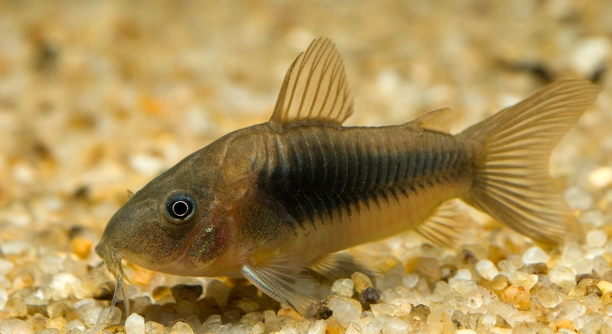
If you’ve noticed white spots on your Corydoras catfish, you’re probably wondering what could be causing this issue. These little fish are usually known for their calm and peaceful nature, so any changes in appearance can be concerning.
White spots on Corydoras catfish can be caused by various factors, including parasites, bacterial infections, or water quality issues. It is important to identify the specific cause to ensure proper treatment and prevent further health problems.
These spots may not always be a sign of something serious, but it’s crucial to know what’s happening to keep your catfish healthy and happy in its environment. Understanding the potential causes can help you address the issue quickly.
Parasites: A Common Cause of White Spots
Parasites are one of the most common reasons for white spots on Corydoras catfish. These tiny organisms, such as Ich (Ichthyophthirius multifiliis), often attach themselves to the fish’s skin and fins. When a catfish is infected, it may display small white cysts, which can resemble salt grains. These parasites are highly contagious, and they can spread quickly if left untreated. If you notice these spots, it’s important to act fast. Isolating the infected fish and adjusting water conditions can help prevent the spread to other tankmates. Medications are often necessary to treat parasites and relieve your fish from the discomfort they cause.
The presence of parasites is usually a sign of poor water quality, stress, or overcrowding in the tank.
A decrease in water temperature can also contribute to the onset of parasitic infections. Fish immune systems become weaker in colder water, making them more vulnerable to these attacks. Be sure to maintain a stable temperature and regularly check your fish for any unusual behavior. Keeping your tank well-maintained will reduce the risk of future outbreaks.
Bacterial Infections and Their Impact
Bacterial infections can also lead to white spots on your Corydoras catfish. These infections may appear as raised, white lesions or patches on the skin. The white spots are often a sign of skin damage or injury that has become infected. Poor water quality is the most common cause of bacterial growth. Fish can develop infections when exposed to high levels of toxins or waste products in the tank. The infection can quickly spread, leading to severe health issues if not addressed. Proper filtration and water changes are essential to prevent this from happening.
Improper tank conditions, like high ammonia or nitrite levels, can weaken the fish’s immune system, making it more susceptible to infections.
To treat bacterial infections, you may need to use antibiotics or specific fish medications. If caught early, bacterial infections are usually treatable with proper care. Regular water testing and maintaining a clean tank are crucial for long-term prevention.
Fungal Infections: Another Possibility
Fungal infections are less common but can still cause white spots on your Corydoras catfish. These infections often appear as fuzzy, white patches on the skin or fins. Fungi tend to grow in tanks with high organic waste and poor water circulation. Infected areas can become swollen or infected with bacteria. Regular tank cleaning and water changes are necessary to prevent fungal growth.
If you spot a fungal infection, removing the infected fish and using antifungal treatments will help. Keeping your aquarium free from uneaten food or decaying matter is crucial in preventing further issues.
Fungi thrive in stagnant environments, so it’s essential to maintain good water flow and aeration. Adding an aquarium filter with sufficient capacity can help prevent fungal outbreaks. Additionally, quarantining any new fish before introducing them to the tank can reduce the risk of introducing harmful spores.
Stress and Poor Water Quality
Stress is a significant factor in the development of white spots. Corydoras catfish can become stressed by a variety of factors, such as poor water quality, overcrowding, or sudden changes in the environment. Stress weakens the immune system, making fish more susceptible to infections, including parasites or bacteria.
When your fish is stressed, it may display unusual behaviors like hiding, reduced appetite, or rapid gill movement. The water’s pH, temperature, and ammonia levels should be carefully monitored. Avoid overcrowding the tank, as it can increase stress levels. Fish need a calm, stable environment to thrive.
Making small adjustments, such as increasing oxygen flow and maintaining the correct water parameters, can make a huge difference. Avoid frequent changes in water temperature or tank setup, as these sudden shifts can further stress your fish. Always test the water regularly to ensure it is within the ideal range for your Corydoras catfish.
Overfeeding and Water Contamination
Overfeeding your Corydoras can lead to excess food in the tank, which can decay and contaminate the water. This can cause a spike in harmful substances like ammonia and nitrites, creating stress and making fish more vulnerable to white spots.
If overfeeding occurs, remove uneaten food and perform water changes to improve the water quality. Regularly monitor how much you are feeding your fish to avoid waste buildup.
Maintaining a feeding routine and offering appropriate portions can prevent overfeeding. In addition, investing in an aquarium vacuum to remove any uneaten food or debris will help keep the water cleaner.
Inadequate Tank Maintenance
Inadequate tank maintenance can easily lead to white spots on your Corydoras catfish. Failing to clean the tank regularly or neglecting water changes can result in dirty water, which weakens fish immunity and encourages parasites or bacterial growth.
Keeping a consistent cleaning schedule and performing partial water changes will go a long way in ensuring a healthy tank environment. Check the filter regularly to make sure it is functioning properly.
Temperature Fluctuations
Sudden temperature changes can stress Corydoras catfish, causing them to develop white spots. Fish are sensitive to temperature fluctuations, and rapid shifts can weaken their immune systems. Keep the tank’s temperature within the appropriate range and avoid moving the tank or placing it near windows or heaters.
FAQ
What are the common symptoms of white spots on Corydoras catfish?
The most common symptom of white spots on Corydoras catfish is the appearance of small, white, raised cysts on the skin or fins. These spots can look like grains of salt and are often a sign of parasites like Ich. In some cases, bacterial or fungal infections can cause white patches, which might appear as fuzzy or raised areas. Other signs of illness may include changes in behavior, such as reduced swimming, hiding, or loss of appetite.
How can I treat white spots on my Corydoras catfish?
The treatment depends on the underlying cause of the white spots. For parasitic infections like Ich, the water temperature may be raised slightly to speed up the life cycle of the parasite, allowing for the use of medication such as copper-based treatments. For fungal or bacterial infections, antifungal or antibiotic treatments may be required. Always remove the infected fish from the main tank to prevent spreading the issue to others. Regular water changes and maintaining optimal tank conditions are essential during treatment.
Can poor water quality cause white spots on Corydoras catfish?
Yes, poor water quality can lead to white spots on Corydoras catfish. High levels of ammonia, nitrites, or nitrates in the water can weaken the immune system of your fish, making them more vulnerable to infections and parasites. Additionally, dirty water can cause stress, which further compromises their health. Regular water testing, frequent water changes, and proper filtration are key to maintaining a clean and healthy environment for your fish.
How often should I change the water in my aquarium to prevent white spots?
Water changes should be done regularly, typically around 25-30% of the water once a week. This helps maintain good water quality and reduces the buildup of harmful toxins. If there’s a specific issue, like a white spot outbreak, more frequent water changes may be necessary to help remove any waste and improve the overall water conditions. Always make sure to test the water before and after changes to ensure it remains in the proper range for your fish.
Can stress lead to white spots on Corydoras catfish?
Yes, stress can cause Corydoras catfish to develop white spots. When a fish is stressed, its immune system becomes weaker, which can lead to infections or parasitic infestations. Stressors such as overcrowding, sudden changes in the tank environment, poor water quality, or aggressive tankmates can make your fish more vulnerable to health issues. Keeping a stable environment, maintaining proper tank size, and avoiding sudden changes can help reduce stress and prevent the development of white spots.
Are white spots contagious to other fish?
Yes, white spots caused by parasites like Ich are highly contagious. The parasite can easily spread to other fish in the tank through contact with infected water. To prevent the spread of the infection, isolate the affected fish and treat them separately. Disinfecting the tank and adjusting water conditions is essential to minimize the risk of further outbreaks. Using a quarantine tank for new fish can help prevent introducing parasites into your main aquarium.
Can overfeeding cause white spots on Corydoras catfish?
Overfeeding itself doesn’t directly cause white spots, but it can lead to poor water quality. Excess food can decay and pollute the water, raising ammonia and nitrite levels, which weakens your fish’s immune system. This can make your Corydoras more prone to infections, including parasites that cause white spots. It’s important to feed your fish only what they can consume in a few minutes to avoid overfeeding and the resulting water quality issues.
What is the best way to prevent white spots on my Corydoras catfish?
To prevent white spots, the most important steps are maintaining good water quality and reducing stress. Perform regular water changes, test the water parameters, and ensure your tank is properly filtered. Avoid overcrowding and introduce new fish slowly, always quarantining them first. Keeping your tank clean and stable, along with offering a balanced diet, will help boost the immune systems of your fish, making them less susceptible to infections.
Can Corydoras catfish recover from white spot infections?
Yes, Corydoras catfish can recover from white spot infections if treated promptly. Treatment usually involves using medications designed for parasitic infections, adjusting the water temperature, and isolating the infected fish. The fish’s immune system will need support, so maintaining clean water and avoiding stress will aid in the recovery process. Be patient, as recovery may take time, and monitor your fish closely during this period.
Is there a specific temperature range that helps treat white spot infections in Corydoras catfish?
Raising the water temperature can help speed up the life cycle of the Ich parasite, making it easier to treat. The temperature should be gradually increased to around 82°F (28°C). However, be careful not to raise it too quickly or excessively, as sudden temperature changes can stress the fish. Monitor the tank’s temperature carefully and ensure it stays within the safe range for your Corydoras. A higher temperature can also reduce the effectiveness of some medications, so always check the instructions for any treatments you use.
Final Thoughts
White spots on your Corydoras catfish can be worrying, but with proper care, most issues can be resolved. Whether it’s caused by parasites, bacterial or fungal infections, or stress, addressing the problem quickly is important. Keeping your tank clean, maintaining good water quality, and preventing overcrowding can go a long way in ensuring your catfish stay healthy. Monitoring your fish closely and acting fast when you notice unusual changes will help prevent the spread of infections or parasites to other fish.
While it’s essential to treat any underlying conditions like Ich or bacterial infections, prevention is key. Regular water changes, careful feeding practices, and providing a stable tank environment will help prevent many common problems that lead to white spots. Avoiding stress is especially important, as it can weaken your fish’s immune system and make them more vulnerable to disease. Make sure to check water quality frequently, test for ammonia, nitrites, and nitrates, and adjust as needed to keep the tank environment healthy.
Remember that some white spots may not always be a serious issue. They can sometimes be the result of minor injuries or small environmental changes that your fish can recover from with the right care. However, if the condition worsens or if you see other signs of illness, it’s best to seek treatment right away. By staying vigilant and providing the right care, your Corydoras catfish can recover from most issues and thrive in a well-maintained aquarium.

Hello,
If you enjoy the content that we create, please consider saying a "Thank You!" by leaving a tip.
Every little bit helps us continue crafting quality advice that supports the health, happiness, and well-being of pets around the world, for pets of all shapes, sizes, and species.
We really appreciate the kindness and support that you show us!