
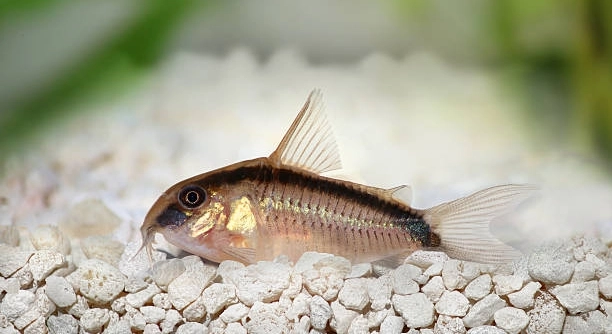
Corydoras catfish are a popular choice for freshwater aquariums. These small, peaceful fish are known for their easy care and beneficial role in keeping your aquarium clean. They also add charm and activity to any tank.
Corydoras catfish are excellent for freshwater aquariums due to their peaceful nature, ability to help maintain clean tank conditions, and ease of care. They are bottom dwellers that assist in scavenging leftover food, contributing to overall tank health.
Their unique characteristics make them a valuable addition to any tank. Understanding how they contribute to a healthy, balanced environment is key to making the most of their presence.
Why Corydoras Catfish Are Perfect for Small Aquariums
Corydoras catfish are a great fit for smaller aquariums because they stay small and don’t require much space. These fish typically grow to about 2.5 inches, making them ideal for tanks with limited room. They thrive in a variety of water conditions, from slightly acidic to neutral, and they can live with many other peaceful fish. Their small size and easy care make them a top choice for beginners or those with smaller setups.
Their size allows them to easily navigate small spaces without disturbing other fish. Corydoras also adapt well to low-maintenance environments, making them an excellent choice for busy aquarists.
Corydoras are often placed at the bottom of aquariums, where they scavenge for food. This natural behavior helps keep the tank clean by consuming leftover food and debris that would otherwise decay. Their bottom-dwelling habits also provide a peaceful contrast to more active fish that swim in the upper levels of the tank.
How Corydoras Catfish Improve Water Quality
Adding Corydoras catfish to your aquarium benefits the water quality. These fish naturally help keep your tank cleaner by eating uneaten food that can pollute the water. This scavenger behavior minimizes waste build-up, which helps to maintain clear, healthy water.
Corydoras also help aerate the substrate in the tank. By constantly moving along the bottom, they disturb the gravel, promoting better water circulation and preventing dead spots from forming.
Because they help clean up leftover food and prevent waste accumulation, Corydoras also reduce the need for frequent water changes. By maintaining a balanced environment, they make it easier to keep your aquarium running smoothly with less effort. The result is a cleaner, healthier tank that requires less maintenance from the aquarist.
Easy to Care For
Corydoras catfish are low-maintenance fish, making them easy to care for. They don’t require special diets or complex water conditions, which makes them suitable for beginners. Regular water changes and feeding once a day are often enough to keep them healthy.
They are hardy fish and can adapt to a range of water conditions. Regular maintenance, such as keeping the water temperature between 72-78°F and ensuring proper filtration, will keep them thriving. These fish don’t require special lighting or complicated tank setups, which makes them ideal for beginners who want a hassle-free aquarium experience.
Since they’re not aggressive, Corydoras catfish coexist well with other peaceful species. They spend most of their time at the bottom of the tank, so they won’t compete with other fish for space. This makes them a perfect addition to mixed-species aquariums. Their easy care allows aquarists to enjoy their peaceful presence without worrying about complex needs.
Peaceful Nature
Corydoras catfish are known for their calm demeanor. They don’t display territorial behavior, and their peaceful nature makes them compatible with a wide variety of other fish. This gentle temperament allows them to live alongside both other Corydoras and different species of freshwater fish without issue.
Their friendly nature helps maintain harmony in your aquarium. They tend to form small groups, creating a sense of community within the tank. These social fish prefer to be in groups of at least three, making them ideal for aquariums where you want peaceful interactions among various species. Their calm demeanor also makes them less likely to disturb plants or other decorations in the tank.
Adding Corydoras to your aquarium creates a peaceful environment where all species can coexist. Their non-aggressive nature prevents stress, and their behavior adds to the tranquility of your tank. Keeping them in small groups ensures they feel secure and thrive.
Adaptability to Different Tank Environments
Corydoras catfish are adaptable and can thrive in various tank setups. Whether you have a freshwater community tank or a more specialized setup, they’ll adjust well to different conditions. Their flexibility allows them to live with a variety of water types and aquarium companions.
They can thrive in tanks with soft or hard water, and their tolerance to a range of temperatures adds to their adaptability. As long as the water is well-maintained and the tank is clean, Corydoras will adjust comfortably. This ability to adapt makes them a hassle-free addition to many different aquarium types.
Tank Cleaning Benefits
Corydoras catfish help maintain a clean tank by scavenging leftover food and debris from the substrate. Their bottom-dwelling behavior naturally prevents waste from accumulating, which reduces the risk of harmful bacteria growth. This cleaning role ensures a healthier environment for other fish as well.
By cleaning the bottom of the tank, Corydoras also improve water quality. This reduces the amount of uneaten food that would otherwise decompose and cloud the water. Their constant activity on the substrate keeps the tank looking neat while promoting a more balanced and cleaner ecosystem overall.
Low Feeding Requirements
Corydoras catfish are not picky eaters. They are bottom-feeders, so they will eat a variety of foods that sink to the bottom of the tank. They don’t need to be fed as often as other fish, making feeding simple and convenient.
These fish will eat leftover food that other fish may miss, reducing waste. Offering them high-quality sinking pellets or occasionally supplementing with frozen foods is sufficient for their diet. Because they don’t require special care in their feeding, they’re easy to maintain in any aquarium.
FAQ
What is the ideal tank size for Corydoras catfish?
Corydoras catfish are small and don’t require a large tank. A tank as small as 20 gallons can comfortably house a small group of them. However, larger tanks provide more space, which can benefit their social behavior. They do better in groups, so having enough space for at least five to six fish ensures they feel secure and can interact comfortably.
Do Corydoras catfish need a filter?
Yes, Corydoras benefit from having a filter in their tank. A filter helps maintain clean water by removing debris and excess waste that can accumulate. Corydoras are sensitive to poor water conditions, so a reliable filtration system is essential to keep them healthy. It’s important to avoid strong currents, as these can stress out Corydoras. A filter with gentle flow is ideal for them.
Can Corydoras live with other fish?
Corydoras are peaceful and can live with a variety of other non-aggressive freshwater fish. They tend to stay at the bottom of the tank, leaving other fish in the upper levels to swim freely. Small, peaceful species such as tetras, guppies, or mollies are compatible with Corydoras. Avoid aggressive species that might disturb them.
What do Corydoras catfish eat?
Corydoras catfish are omnivores and eat a variety of foods. They primarily scavenge the bottom of the tank for leftover food. In addition to algae, they will eat sinking pellets, frozen foods, and sometimes live foods like worms. It’s important to feed them enough to satisfy their hunger without overfeeding, as excess food can degrade water quality.
How often should I feed Corydoras catfish?
Corydoras should be fed once or twice a day. Unlike other fish, they are not overly demanding when it comes to food. Be careful not to overfeed them, as uneaten food can harm the water quality. Offering them a variety of sinking foods like pellets or frozen foods will keep them healthy.
Do Corydoras need a heater in their tank?
Yes, Corydoras are tropical fish and need a stable water temperature to thrive. A heater is necessary to keep the water temperature between 72°F and 78°F. Sudden temperature changes can stress the fish, so maintaining a consistent environment is essential for their health and well-being.
How many Corydoras catfish should I keep together?
Corydoras are social fish and should be kept in groups of at least three to five. Keeping them in groups helps reduce stress and encourages natural behaviors like foraging and swimming together. A small group will feel more secure and less likely to exhibit signs of stress or aggression.
Can Corydoras catfish live alone?
While Corydoras can technically live alone, it is not recommended. These fish are social and prefer the company of their own kind. Keeping them in small groups promotes their well-being and helps them feel secure. A lone Corydoras may become stressed, leading to potential health issues.
What is the lifespan of Corydoras catfish?
Corydoras catfish typically live for around 5 to 7 years with proper care. Some species may live longer, especially if they are in a stable, clean environment with consistent water parameters. Regular water changes, a balanced diet, and avoiding overcrowding can help ensure a long, healthy life.
Are Corydoras catfish suitable for beginners?
Yes, Corydoras are great for beginners. They are hardy, easy to care for, and adaptable to various tank conditions. They don’t require complex care routines and can coexist peacefully with many other species. Their ability to clean up leftover food also reduces the amount of work needed to maintain the tank.
Can Corydoras catfish jump out of the tank?
Corydoras are not known for jumping, but it is still possible. To prevent this, make sure your aquarium has a secure lid. While they generally stay at the bottom, ensuring there are no gaps in the lid will keep your Corydoras safe and secure inside the tank.
What is the best substrate for Corydoras catfish?
Corydoras prefer fine, smooth substrates like sand or small-gravel. Sharp or rough substrates can damage their sensitive barbels, which they use for foraging. A soft, fine-grain substrate is best for their comfort and safety. Sand mimics their natural habitat and allows them to forage without injury.
Do Corydoras catfish need a lot of decorations in their tank?
Corydoras catfish don’t require many decorations in their tank, but some hiding spots or plants are beneficial. They appreciate having a few areas to explore and feel secure. Driftwood, rocks, or soft plants can provide shelter, but make sure the decorations are smooth and won’t harm their sensitive barbels.
How do I know if my Corydoras catfish is healthy?
Healthy Corydoras will be active, moving around the tank and foraging on the bottom. Their bodies should appear smooth and unblemished, without any visible sores or wounds. Watch for signs of stress, such as hiding in one spot or sluggish behavior. If your Corydoras is eating well and moving actively, it’s a good sign they are healthy.
Are there any diseases Corydoras catfish are prone to?
Like most aquarium fish, Corydoras can be susceptible to common diseases such as ich, velvet, or fungal infections. Poor water quality, stress, or overcrowding can increase the risk of disease. Regular water changes, maintaining stable water conditions, and quarantining new fish can help prevent illness. Always monitor your fish closely for any signs of illness.
Final Thoughts
Corydoras catfish make a wonderful addition to any freshwater aquarium. Their peaceful nature, ability to clean the tank, and low-maintenance care requirements make them an ideal choice for beginners and experienced aquarists alike. They are not only effective bottom dwellers, but they also add life and activity to your aquarium. Their gentle movements and social behavior bring a sense of calm to the tank, and their friendly disposition makes them compatible with a wide range of other fish species. For those looking for an easy-to-care-for fish that plays a vital role in maintaining the aquarium’s ecosystem, Corydoras are an excellent choice.
These catfish are also very adaptable, thriving in different water conditions and with a variety of tank mates. They do well in groups, so it’s recommended to keep several together for the best social interaction and overall health. Corydoras are hardy fish, able to withstand slight changes in water parameters, but they still require regular maintenance and care to stay healthy. Ensuring that the tank has proper filtration, maintaining a stable temperature, and offering them a balanced diet will go a long way in promoting their longevity.
In conclusion, Corydoras catfish provide a combination of practicality and beauty. They serve an important role in keeping the aquarium clean while adding character with their curious nature. With minimal feeding requirements and a tolerance for various tank setups, they are a fantastic choice for anyone looking to add peaceful, efficient, and low-maintenance fish to their tank. Whether you are just starting with aquarium care or have been keeping fish for years, Corydoras can easily fit into most setups and offer years of enjoyment.

Hello,
If you enjoy the content that we create, please consider saying a "Thank You!" by leaving a tip.
Every little bit helps us continue crafting quality advice that supports the health, happiness, and well-being of pets around the world, for pets of all shapes, sizes, and species.
We really appreciate the kindness and support that you show us!