
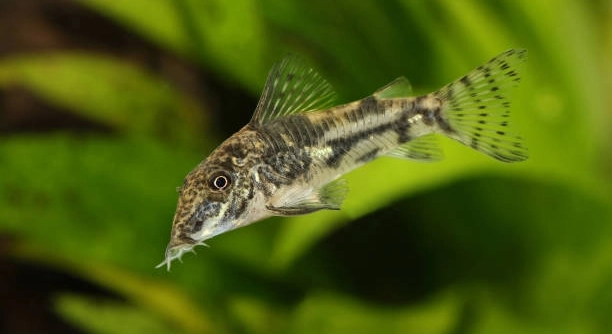
Corydoras catfish are active, peaceful fish that enjoy having hiding spots in their aquarium. These spots provide them with a sense of security and comfort. Creating the right environment for them can enhance their well-being and behavior.
To create hiding spots for Corydoras catfish, focus on providing small, dark areas where they can feel safe. Use rocks, plants, and caves to build structures that mimic natural environments. These hiding spots reduce stress and encourage natural behaviors.
There are many ways to make your Corydoras feel right at home. By offering the proper hiding spots, you can ensure they thrive in their tank environment, boosting both their comfort and your enjoyment as an aquarist.
Natural Rocks and Caves
Using natural rocks and caves is an excellent way to create hiding spots for your Corydoras. These items not only provide a safe space but also mimic their natural habitat. Corydoras like to burrow and hide, so having rocks that create tunnels or small caves in your aquarium can provide them with a cozy, secure environment. When selecting rocks, ensure they are smooth and free of sharp edges to prevent injury. It’s also a good idea to arrange them in ways that allow the fish to swim through them easily, making the space feel natural. Make sure the rocks are stable and won’t collapse or shift, as this could cause harm to the fish or damage the tank.
Rocks and caves are simple, effective hiding places for Corydoras. They allow your fish to feel safe and help reduce stress.
Additionally, rocks and caves encourage natural behavior, such as exploration and foraging. By creating a well-structured area with rocks, you provide a more enriching environment for your Corydoras. The dark, sheltered spots offer them a place to retreat from light and potential tank mates that may stress them out. Be sure to place the rocks strategically throughout the aquarium so that your fish have multiple places to hide. This also ensures they feel less vulnerable, especially during periods of rest or sleep. For added variety, you can use a mix of different sizes and shapes of rocks to create multiple hiding spots, keeping the tank interesting and the fish happy.
Live Plants for Coverage
Live plants are another fantastic way to give Corydoras hiding spots. Plants create natural shelters and help filter the water, improving the overall tank environment. Corydoras appreciate densely planted areas where they can swim in and out of leaves, offering both protection and a more visually appealing tank. Certain plants like Java moss, Anubias, or Amazon swords can be perfect for creating these hiding spaces. They offer enough cover for Corydoras to feel secure while maintaining the aesthetic of a lush, green aquarium.
Plants can add both beauty and security to your tank. The fish can swim through or hide under the leaves when feeling stressed.
Incorporating live plants into your aquarium setup provides many benefits beyond just hiding spots. They contribute to the overall health of the tank by promoting natural biological filtration. The dense foliage not only provides hiding places but also helps create an environment where Corydoras feel safe and more active. Plants like Java ferns or Vallisneria are also easy to care for and grow quickly, creating more coverage for your fish. Additionally, plants help to maintain water quality by absorbing excess nutrients and producing oxygen, contributing to the overall health of the tank. Whether you choose floating plants or rooted ones, these green additions provide a peaceful and secure environment for your Corydoras to thrive.
Driftwood and Logs
Driftwood and logs are perfect hiding spots for Corydoras catfish. They provide a natural structure that mimics their habitat in the wild, giving them a place to burrow or rest. Choosing the right driftwood helps create a more natural-looking tank environment, offering fish a safe, sheltered space.
Driftwood can be placed horizontally or vertically in the aquarium, offering multiple hiding spots. When choosing driftwood, make sure it is aquarium-safe and properly cleaned. Some driftwood may release tannins into the water, which can lower the pH and affect water quality. If you don’t mind the tannin color, it can be a natural and healthy addition. Corydoras often appreciate hiding under the nooks of driftwood or resting against it. As they explore and feel secure in these structures, their stress levels reduce, leading to healthier, happier fish.
Adding driftwood not only creates hiding places but also encourages natural behavior. Corydoras will often use the structures to forage for food or play. The addition of driftwood gives them more surface area to explore and helps them feel more at ease in their tank. Whether you use smaller branches or larger pieces, driftwood provides a place for them to seek refuge when they need a break from swimming or the presence of other tank mates.
Caves and Tunnels
Caves and tunnels offer Corydoras catfish a secure, dark place to hide. They are particularly useful in aquariums with more active fish. Corydoras enjoy swimming through tunnels or resting inside small caves to escape from the hustle and bustle of the tank.
You can create simple caves using natural materials like rocks or even store-bought aquarium decorations. The key is to ensure they are the right size, with openings large enough for the fish to swim in and out easily. You can also add multiple tunnels or caves throughout the aquarium, allowing your fish to explore and find their favorite hideaway. Corydoras are peaceful creatures, and providing hiding spots reduces aggression from tank mates. With caves and tunnels, they feel secure and less stressed.
When setting up caves and tunnels, position them in areas where Corydoras feel comfortable and safe. Avoid placing them too close to areas of high water flow or in places that may make it difficult for the fish to access them. It’s also important to consider the number of caves available in the tank, as Corydoras may want to have several options for hiding, especially in a larger tank. By incorporating these hiding spots, you create a more harmonious environment for your fish.
PVC Pipes
PVC pipes can be a simple yet effective hiding spot for Corydoras. They are inexpensive and easy to position in your aquarium. Corydoras enjoy swimming through pipes or resting inside them, where they feel secure and sheltered. The smooth surface also makes it easy to clean.
You can use various lengths and widths of PVC pipes to create different hiding spots for your fish. Place them horizontally or at slight angles to offer easy access. To add variety, combine multiple pipes to create a network of tunnels. This gives Corydoras different options to explore and hide in.
Substrate Layers
A thick layer of substrate in the aquarium provides Corydoras a place to burrow. They are naturally bottom-dwelling fish and enjoy sifting through the substrate, which gives them a feeling of safety and comfort. Choose fine-gravel or sand to avoid injury to their delicate barbels.
The substrate layer also helps maintain water quality by encouraging beneficial bacteria growth. Corydoras feel more at home when they can dig into the soft substrate. The presence of substrate also supports natural behaviors, as they often scavenge for food or take shelter from more active tank mates.
Aquarium Decorations
Aquarium decorations like rocks, plants, and caves add depth and hiding spots. Decorations provide Corydoras with multiple options to explore and rest in. These items create a more stimulating and comfortable environment for them, reducing stress. The variety of spaces keeps them engaged and secure.
FAQ
Why do Corydoras need hiding spots?
Corydoras catfish are naturally shy and peaceful fish. Hiding spots provide them with a safe environment where they can retreat when they feel stressed or threatened. This behavior is instinctual and helps them avoid potential predators in the wild. In an aquarium, hiding spots also allow them to sleep and rest without being disturbed, promoting overall health. Without adequate hiding places, Corydoras may become stressed, which can lead to weakened immune systems and other health issues. By providing these spaces, you ensure that your Corydoras remain active, healthy, and content.
Can I use any type of rock for hiding spots?
It’s important to choose rocks that are smooth and free of sharp edges when setting up hiding spots. Sharp rocks can injure the delicate barbels and skin of Corydoras. Natural stones, such as slate or lava rock, are great choices as they offer smooth surfaces and can be arranged to create tunnels or caves. Make sure the rocks are clean before placing them in the aquarium. Avoid using rocks that might alter the water chemistry, such as limestone, as they can raise the pH levels, which could stress your fish.
How deep should the substrate be for Corydoras to burrow?
Corydoras love to burrow and sift through the substrate. A substrate depth of around 2 to 3 inches is ideal. This allows the fish to dig around and find food, while also giving them the opportunity to retreat into the substrate when they feel insecure. Fine-gravel or sand is recommended, as it’s gentle on their barbels and helps keep the water clean. If the substrate is too shallow, it may not give the fish enough space to dig or hide. A deeper layer also promotes a healthier tank environment by encouraging beneficial bacteria growth.
What types of plants work best for hiding spots?
Live plants are an excellent way to create hiding spots for Corydoras. Plants such as Java Moss, Anubias, and Amazon Swords offer dense foliage where Corydoras can retreat and feel safe. Floating plants, like Water Sprite or Duckweed, can also be beneficial, as they create shaded areas on the water’s surface. Plants not only provide hiding places but also help maintain water quality by absorbing excess nutrients. Ensure the plants you choose are suitable for the tank conditions, such as light and water temperature, and can grow well in the substrate.
How can I make sure my Corydoras feel safe in their tank?
Corydoras need a stable environment to feel safe. This includes maintaining proper water quality, such as clean water with the right pH and temperature, and reducing any sources of stress, like overly active or aggressive tank mates. Adding a variety of hiding spots like plants, caves, and rocks will give them different options to seek refuge. Make sure the tank has plenty of space for them to explore but also includes areas where they can retreat if they feel overwhelmed. A calm, peaceful tank is key to keeping Corydoras content and healthy.
Can I use artificial decorations for hiding spots?
Yes, artificial decorations can work well as hiding spots, but make sure they are made from aquarium-safe materials. Plastic decorations should have smooth edges to prevent injury to your Corydoras. Look for decorations that mimic natural environments, such as caves or tunnels made from non-toxic materials. Artificial plants can also be used to create coverage, but keep in mind they don’t offer the same benefits as live plants, such as water filtration and oxygenation. It’s essential to check that all decorations are safe for the fish and don’t alter the water chemistry.
How do I arrange hiding spots for Corydoras?
When arranging hiding spots, make sure to spread them throughout the tank to offer your Corydoras various options. Avoid creating a cramped space where they might feel trapped. Place caves, rocks, or driftwood near the tank’s edges, allowing the fish to easily swim in and out of hiding areas. A mix of vertical and horizontal structures is beneficial, as it mimics natural environments and gives Corydoras more opportunities to find shelter. Keep in mind that they prefer areas with moderate water flow, as heavy currents can make hiding spots less comfortable.
How many hiding spots do Corydoras need?
While Corydoras are social fish and usually swim in groups, they still need multiple hiding spots in the tank for security. The number of hiding spots will depend on the size of the tank and the number of fish you have. For a small tank with just a few Corydoras, a few well-placed hiding spots should be sufficient. However, in a larger tank or with a larger group of Corydoras, more hiding spots are necessary to ensure all fish have access to a safe space. Aim to provide at least one hiding spot per fish to minimize stress and prevent territorial disputes.
Is it necessary to have both caves and plants for Corydoras?
It’s not strictly necessary to have both, but having a mix of caves and plants provides more variety and security for Corydoras. Caves offer dark, enclosed spaces that Corydoras often prefer for hiding and resting. Plants, on the other hand, offer a more natural and open hiding area that lets the fish feel secure while still having access to light. A combination of both types of hiding spots ensures your Corydoras have a range of options, catering to their different needs depending on the situation.
Can I place hiding spots near the filter or heater?
It’s best to avoid placing hiding spots directly next to the filter or heater. Corydoras prefer areas with moderate water flow, so areas of strong current near the filter could stress them out. Likewise, heaters can create temperature fluctuations, which can also cause stress. Instead, position hiding spots in calmer areas of the tank, away from the filter’s current and heat sources. This ensures that your Corydoras have a peaceful, stable environment in which they can rest comfortably.
Final Thoughts
Creating hiding spots for your Corydoras catfish is an essential part of setting up a comfortable and healthy aquarium. These fish thrive in environments where they feel safe and secure, and hiding spots give them the space they need to relax and avoid stress. Whether you use natural rocks, plants, or aquarium decorations, providing varied hiding spots can help your Corydoras feel at home. It’s important to remember that these fish are naturally shy and will seek out sheltered areas to rest and hide, especially when they feel threatened. By giving them places to hide, you’ll promote their overall well-being and encourage natural behaviors.
The key to setting up good hiding spots is variety. Corydoras appreciate having different options to explore, so creating a mix of caves, plants, and other structures is the best approach. Some fish prefer small caves where they can stay hidden, while others may enjoy swimming through plants or burrowing in the substrate. Offering a range of hiding spots allows your Corydoras to pick the space that feels most comfortable for them. You should also ensure that these spots are easy to access and positioned in areas that aren’t too close to the filter or heater, as strong currents or fluctuating temperatures could cause stress.
Finally, don’t forget to keep the environment clean and stable. Corydoras are bottom-dwellers and will spend a lot of time near the substrate, so make sure to provide a safe, non-toxic substrate like fine gravel or sand. Regular maintenance, such as cleaning the tank and checking water parameters, will also help create a healthy environment where Corydoras can thrive. By taking these steps, you’ll create a peaceful and secure habitat for your Corydoras, ensuring they live a happy and stress-free life in your aquarium.

Hello,
If you enjoy the content that we create, please consider saying a "Thank You!" by leaving a tip.
Every little bit helps us continue crafting quality advice that supports the health, happiness, and well-being of pets around the world, for pets of all shapes, sizes, and species.
We really appreciate the kindness and support that you show us!