
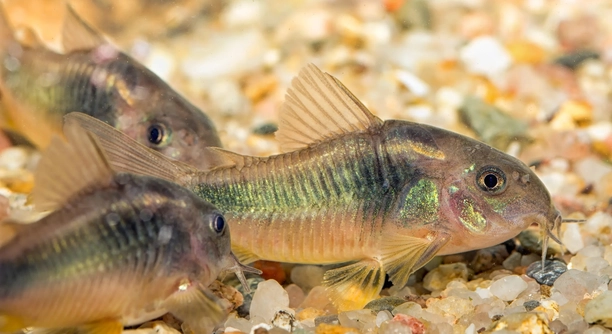
Corydoras catfish are popular aquarium fish known for their peaceful nature and playful behavior. Providing them with a suitable substrate is crucial to their well-being. In this article, we will explore ways to improve the substrate for your corydoras.
Improving the substrate for your corydoras catfish involves choosing the right materials that mimic their natural habitat. Focus on providing soft, fine-gravel or sand to protect their sensitive barbels and ensure the water remains clean and stable.
Understanding the best substrate choices for your corydoras can help create a comfortable environment for them. This guide will walk you through practical tips and ideas for enhancing their home.
Choosing the Right Substrate Material
The substrate you choose for your corydoras catfish plays an essential role in their health. Corydoras are bottom-dwelling fish, and they rely heavily on the substrate to help them forage for food, explore, and even rest. It’s important to select a material that is both gentle and suitable for their needs. Sand is often the best option because it’s soft and won’t hurt their sensitive barbels. Fine gravel can also work, but it must be smooth, as rough edges can injure the fish. Avoid sharp or large stones that can pose a risk to their delicate bodies.
A natural substrate like sand closely mimics their habitat in the wild. This ensures that corydoras are comfortable and that their behaviors, such as digging and sifting through the substrate, are not restricted. The right substrate also supports the growth of beneficial bacteria, which helps maintain a healthy tank environment.
Choosing a substrate for your corydoras is more than just aesthetics. It can affect the overall health of your aquarium, so be sure to select a substrate that meets their specific needs and allows them to thrive.
Maintaining Proper Tank Depth
Maintaining an adequate depth of substrate is key. Corydoras prefer a deeper layer, about 2 to 3 inches, so they have enough space to dig. This allows them to engage in natural behavior and ensures their comfort in the tank.
Avoiding Substrate that Compacts
It’s important to avoid substrates that compact over time. If the substrate becomes too dense, it can suffocate beneficial bacteria and reduce water flow. This could lead to poor water quality and harmful conditions for your corydoras. A good substrate should allow for proper aeration and filtration.
Substrates like clay-based products or fine gravel may compact, limiting the tank’s ability to maintain a balanced ecosystem. When choosing your substrate, look for materials that don’t trap too much debris or reduce oxygen levels in the tank. This will help ensure your corydoras remain healthy and active.
If the substrate does begin to compact, it can also affect the health of plants and other tank inhabitants. Regularly checking for signs of compacting will help you maintain a healthy aquarium environment. Replacing the substrate every few years or adding a thin layer of new material can prevent this issue.
Regular Cleaning of Substrate
Cleaning the substrate is essential to keep your tank environment healthy. Regularly vacuuming the substrate helps remove debris and excess food that could pollute the water. This also prevents harmful bacteria from building up, which could harm your corydoras.
A good substrate will make it easier to perform these tasks. Fine sand, for example, doesn’t trap food or waste as easily as larger gravels. However, you’ll need to be careful not to disturb the substrate too much during cleaning. Over-disturbing can lead to cloudiness in the water and stress your fish.
Maintaining a clean substrate is key for creating a stable and comfortable environment. Make it part of your regular tank maintenance routine, and your corydoras will thrive in a cleaner, safer habitat.
Consider Tank Size and Substrate Choice
The size of your tank affects the amount of substrate needed. Larger tanks require more substrate to ensure it covers the bottom adequately. The depth of the substrate should also be adjusted based on the tank size to allow for natural digging behavior of your corydoras.
In a smaller tank, you can afford a slightly thinner layer of substrate, but make sure it’s still deep enough to promote healthy activity. In larger tanks, ensure the substrate is thick enough to prevent compacting and to allow for proper filtration and aeration. Balancing both size and substrate depth is key.
Adding Decorations to Substrate
Adding decorations like rocks, driftwood, or plants can improve the substrate environment. These elements provide hiding spots and give your corydoras a chance to explore. They also break up the substrate, preventing it from becoming too compacted.
Additionally, decorations create a more natural look, which can help your fish feel more at ease. When choosing items, make sure they’re smooth and free from sharp edges to protect your corydoras’ delicate barbels. This will enhance their comfort and safety in the tank.
Monitoring Water Parameters
Water parameters are directly impacted by the type of substrate you use. Certain substrates can raise or lower pH levels, affecting water chemistry. Monitor these parameters to ensure your corydoras are comfortable and healthy.
Testing the water regularly will help you identify changes and prevent potential issues. Consistent water quality will support a balanced tank environment and keep your corydoras active and thriving.
FAQ
What type of substrate is best for corydoras catfish?
The best substrate for corydoras catfish is fine sand. Sand allows them to dig and sift without injuring their barbels. It also helps maintain water quality by preventing debris from getting trapped. If you prefer gravel, opt for fine, smooth gravel instead of sharp-edged stones, which can cause harm to their sensitive barbels.
Can I use regular gravel for corydoras catfish?
Regular gravel can be used, but it should be smooth and fine. Avoid coarse or jagged gravel, as it can damage your corydoras’ barbels. Regular gravel may not provide the same benefits as sand in terms of mimicking their natural habitat, but it can still work if carefully selected.
How deep should the substrate be for corydoras catfish?
A substrate depth of 2 to 3 inches is ideal for corydoras. This depth allows them to engage in natural behaviors like burrowing and foraging. It also helps maintain water quality by providing enough space for beneficial bacteria to thrive, which aids in the biological filtration of the tank.
Is sand hard to maintain in a tank with corydoras?
Sand isn’t difficult to maintain, but it does require regular cleaning. The particles of sand tend to compact less than gravel, which can reduce the build-up of waste. A gentle substrate vacuum can remove debris without disturbing the sand too much. Just be mindful of not stirring up sand too vigorously during cleaning, as it can cloud the water.
Can corydoras live with other fish in a tank with sand?
Yes, corydoras can live with other fish in a tank with sand. They are peaceful, bottom-dwelling fish, so they won’t cause problems with most tank mates. However, make sure your other fish are not too aggressive and that they won’t disturb the corydoras. A peaceful community tank with compatible species works best.
Do corydoras need a special filter for their tank?
Corydoras don’t require a special filter, but a gentle filter system is best. Strong currents from high-powered filters can be stressful for corydoras, as they are bottom dwellers. Choose a filter that provides adequate water circulation without creating excessive turbulence that could disturb the tank’s environment or hurt your corydoras.
How do I keep the substrate clean for my corydoras catfish?
To keep the substrate clean, use a gentle aquarium vacuum to remove debris without disturbing the sand or gravel too much. Avoid overfeeding your corydoras, as leftover food can build up in the substrate. Regular water changes and cleaning will ensure the substrate remains healthy and doesn’t contribute to poor water quality.
Can I add live plants to a tank with corydoras and sand?
Yes, you can add live plants to a tank with corydoras and sand. Plants are a great addition as they help maintain water quality and provide hiding spots for your fish. Ensure that the plants you choose are suitable for a sand substrate, as some plants may struggle without a more nutrient-rich substrate.
Do corydoras need specific water parameters for their substrate?
While corydoras don’t require specific water parameters due to the substrate alone, the type of substrate you choose can affect pH levels. Sand typically has a neutral pH, while certain types of gravel can slightly raise or lower the pH. Keep an eye on water parameters like pH, hardness, and temperature to ensure your corydoras are in optimal conditions.
Can I use a substrate with added nutrients for my corydoras tank?
While nutrient-rich substrates are excellent for plant growth, they aren’t necessary for corydoras. Nutrient substrates can sometimes lead to imbalanced water conditions, especially if the plants aren’t growing well. If you have live plants in your tank, a basic sand or smooth gravel substrate combined with liquid plant fertilizers may work better.
What should I do if the substrate compacts in my tank?
If the substrate becomes compacted, it can negatively impact water quality and bacterial growth. You can gently stir or loosen the substrate during water changes to prevent compaction. In severe cases, you may need to replace a portion of the substrate to restore a healthy environment for both your corydoras and plants.
How often should I replace the substrate in a tank with corydoras?
There is no set rule for how often to replace the substrate, but it’s recommended to change or refresh the substrate every 2 to 3 years. This helps maintain good water quality and removes any built-up debris that can’t be cleaned through regular maintenance. If you notice significant compaction or degradation, it may be time for a full substrate replacement.
Final Thoughts
Choosing the right substrate for your corydoras catfish is key to creating a healthy and comfortable environment for them. These bottom-dwelling fish rely heavily on the substrate to thrive, as it affects their natural behaviors, water quality, and overall well-being. Sand is often the best option for corydoras because it’s soft, smooth, and allows them to forage and dig naturally. However, fine gravel can also be suitable if it’s smooth and doesn’t have sharp edges. The depth of the substrate is equally important, with 2 to 3 inches being the ideal range. This depth provides enough space for corydoras to engage in their typical activities, such as sifting through the substrate and searching for food.
Maintaining your corydoras tank includes not only choosing the right substrate but also regularly cleaning it to avoid debris buildup and maintain water quality. A gentle vacuum cleaner can help remove waste without disturbing the substrate too much. This ensures that your fish stay healthy and that harmful bacteria don’t accumulate. While sand is generally low-maintenance, it’s important to clean it properly to prevent cloudiness or compaction. Also, adding a filter that provides gentle water circulation will further improve the water quality in your aquarium, making it a more comfortable space for your corydoras.
Lastly, don’t forget that the overall setup of your tank can enhance your corydoras’ experience. Adding smooth decorations, like rocks or driftwood, can provide hiding spots and make your tank feel more natural. Keeping an eye on water parameters is just as important, as different substrates can affect the pH and hardness of the water. By monitoring these factors and ensuring your corydoras are in a stress-free environment, you’ll be able to support their health and happiness. In the end, investing time and care into the right substrate and maintenance routine will allow your corydoras catfish to thrive in their tank for years to come.

Hello,
If you enjoy the content that we create, please consider saying a "Thank You!" by leaving a tip.
Every little bit helps us continue crafting quality advice that supports the health, happiness, and well-being of pets around the world, for pets of all shapes, sizes, and species.
We really appreciate the kindness and support that you show us!