
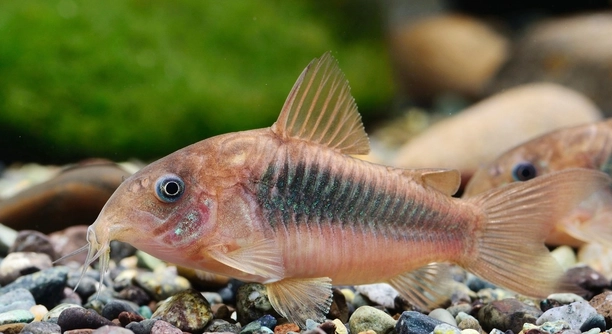
Introducing new tank mates to your Corydoras catfish can be a delicate process. Proper adjustments help ensure your fish remains happy and healthy in their new environment. Understanding their needs will help create a peaceful aquarium atmosphere.
To help your Corydoras adjust to new tank mates, it’s essential to monitor the water conditions, ensure compatibility, and allow plenty of hiding spots. Gradually introducing new fish and observing interactions also plays a vital role in a successful integration.
These steps will assist you in maintaining harmony in your tank while keeping your Corydoras catfish stress-free. Learning how to manage new introductions can help prevent potential conflicts and ensure your fish thrive.
1. Monitor Water Conditions Regularly
Maintaining proper water conditions is one of the most important aspects of helping your Corydoras catfish adjust to new tank mates. These fish are sensitive to changes in their environment, so ensuring that the water remains clean, stable, and properly filtered will reduce stress. The water temperature, pH levels, and hardness should all be monitored consistently to create a suitable environment for both your Corydoras and the new tank mates. Any sudden changes in water parameters can cause discomfort and even health issues for your fish. Regular water changes and proper filtration will help avoid these problems.
Water quality can also affect the behavior of your Corydoras catfish. If the water is cloudy or polluted, the fish may become more skittish and less social. On the other hand, a clean tank with good circulation will help them feel more at ease. Keeping the water conditions stable ensures that your catfish have a comfortable space to interact with their new tank mates. Make sure you use a good quality test kit to track the water parameters accurately.
By staying on top of water conditions, you’re creating a foundation for a peaceful aquarium setup. This simple step can prevent a lot of stress for your Corydoras and other fish. Keeping their environment healthy helps avoid aggression or territorial behavior.
2. Choose Compatible Tank Mates
It’s crucial to select tank mates that match well with the temperament of your Corydoras catfish. These peaceful fish prefer calm, non-aggressive companions. Avoid introducing overly aggressive species or fish that might outcompete them for food. Similarly, avoid species that could intimidate or harass the Corydoras, which could lead to stress and poor health.
In general, consider fish that are of a similar size and temperament. Fish like small tetras, rasboras, or other peaceful bottom dwellers usually work well with Corydoras. By choosing species that won’t disrupt the natural peace of your tank, you help the Corydoras adjust more easily to their new companions.
Choosing the right tank mates is a simple but effective way to avoid potential problems. Stress and fighting are less likely when fish are well-matched. By focusing on peaceful species that can coexist with Corydoras, you’re making sure everyone feels comfortable in the same space.
3. Provide Hiding Spots and Shelter
Corydoras catfish are naturally shy and prefer having places to hide. Adding plenty of plants, rocks, or decorations will help them feel more secure in their new environment. This makes the adjustment process smoother and less stressful. It’s important to create a tank setup that offers retreat areas for both the Corydoras and new tank mates.
When new fish enter the tank, there may be some initial territorial disputes. Having hiding spots available will allow each fish to find a place where they can rest without feeling threatened. This also minimizes aggression, as fish that need a break can retreat to a safe space. Corydoras tend to stay near the substrate, so placing hiding spots close to the bottom of the tank is especially helpful for them.
Adding plants or caves gives your catfish the ability to stay out of sight when they need to. This is crucial, as it reduces the chances of them being harassed or bullied by other fish. Make sure the hiding spots are easy to access and large enough for the fish to feel comfortable inside.
4. Gradually Introduce New Fish
Rushing the introduction of new fish can create stress for your Corydoras. Gradually introducing new tank mates will help them adjust at their own pace. Start by placing the new fish in a quarantine tank for a few days before adding them to the main aquarium. This gives your Corydoras time to get used to the presence of the new fish without direct contact.
After quarantine, float the bag containing the new fish in the tank for about 20 minutes to allow the water temperatures to equalize. Once you open the bag, slowly introduce the new fish into the tank, ensuring they swim away from the Corydoras rather than overwhelming them. Gradually releasing them helps the Corydoras feel less threatened.
By introducing new fish in small steps, you’re allowing the existing fish to acclimate properly. This also helps prevent sudden stress or aggressive behavior. A slow introduction makes the process easier for everyone, reducing potential conflict.
5. Keep an Eye on Feeding Habits
Corydoras are bottom feeders and will often look for food along the tank floor. When introducing new tank mates, it’s important to monitor how food is distributed to avoid competition. Make sure all fish are getting enough to eat, especially the Corydoras.
To ensure everyone gets their fair share, try offering sinking pellets specifically for bottom feeders. This way, your Corydoras can feed in peace without competing with faster or more aggressive fish. It’s also a good idea to observe if the new fish are disrupting feeding routines, which can cause stress to the Corydoras.
Pay attention to any changes in behavior during feeding times. Aggression or food hoarding can indicate that your Corydoras are feeling threatened. Keeping feeding habits balanced helps everyone coexist peacefully.
6. Observe Behavior and Interactions
Once new tank mates are introduced, it’s crucial to observe their behavior regularly. Watch for any signs of aggression or bullying, especially from the new fish. Corydoras are peaceful, but they can become stressed if they feel threatened.
If you notice any unusual behavior, like chasing or nipping, it may be necessary to rearrange the tank layout. This can disrupt territorial boundaries and encourage a peaceful atmosphere. Providing hiding spots can also give the Corydoras a chance to retreat from overly active or aggressive fish.
A close eye on interactions will help you address problems early, ensuring the health and comfort of your fish.
7. Maintain a Stable Environment
Maintaining a stable environment is key to keeping your Corydoras healthy after new tank mates arrive. Consistent water temperature, lighting, and filtration will help reduce stress. Avoid making any sudden changes that could disrupt their routine.
A well-maintained aquarium promotes a calm, stress-free environment for your fish. Regular tank cleaning and monitoring of water conditions will keep everything in balance. This will allow the Corydoras to adjust more easily and feel secure in their home.
FAQ
1. How long does it take for Corydoras to adjust to new tank mates?
The adjustment period for Corydoras can vary depending on the individual fish and the tank environment. Typically, it may take anywhere from a few days to a couple of weeks for them to get used to new tank mates. Factors like the new fish’s behavior, the tank’s layout, and water conditions play a significant role in this process. By giving them time to adjust, you help reduce stress and allow for a smoother integration. It’s important to monitor them closely during this time and ensure their behavior stays calm and non-aggressive.
2. Can Corydoras live with aggressive fish?
No, Corydoras are peaceful bottom dwellers and can get easily stressed by aggressive tank mates. They may try to hide or stay out of sight to avoid confrontation, which can lead to poor health. Fish like cichlids or aggressive bettas should generally be avoided in tanks with Corydoras. It’s essential to choose tank mates that have a similar temperament, such as tetras or peaceful rasboras, to keep the tank environment calm and stress-free for your Corydoras.
3. How can I tell if my Corydoras is stressed by its new tank mates?
Signs of stress in Corydoras include reduced activity, hiding for long periods, loss of appetite, or abnormal swimming patterns. If your Corydoras starts to become more skittish, avoids interaction, or stays in a corner of the tank, these may be signs they are stressed by their new tank mates. If aggression is happening, you might see nipping or chasing. It’s important to observe their behavior carefully and address the issue quickly by rearranging the tank or removing aggressive fish.
4. Can Corydoras tolerate fast-moving fish in the same tank?
Corydoras generally do well with slower-moving fish, as they tend to stay on the bottom of the tank. Fast-moving fish, especially those that might rush through the water, can cause stress to Corydoras. This is especially true if the faster fish disturb the food supply or make them feel crowded. It’s a good idea to choose tank mates that are not overly energetic or dominant in the upper levels of the tank to ensure that your Corydoras can feed and move around comfortably.
5. Do Corydoras need to be kept in groups?
Yes, Corydoras are social fish and feel more secure when kept in groups of at least 3 to 6 individuals. In groups, they display more natural behavior, like schooling, and can help reduce stress. A lone Corydoras might become lonely and more easily stressed by new tank mates. Keeping them in groups allows them to feel safer and more confident in their environment, making it easier for them to adjust to new additions to the tank.
6. Can I add new tank mates after introducing Corydoras?
Yes, you can add new tank mates after introducing Corydoras, but you should do so gradually. It’s crucial to observe the Corydoras’ behavior after introducing them to ensure they are comfortable. Adding too many new fish at once can cause stress for both the Corydoras and the other fish in the tank. Introduce new fish slowly, allowing each to acclimate before adding more. Be mindful of compatibility and make sure the new fish are peaceful and not overly territorial.
7. What is the best way to introduce Corydoras to a new tank?
The best way to introduce Corydoras to a new tank is to acclimate them slowly. Float the bag containing the Corydoras in the tank for about 20-30 minutes to allow the water temperature to equalize. Afterward, gently release them into the tank. Make sure the water parameters are stable and suitable for Corydoras, including the temperature, pH, and hardness. Avoid sudden changes in water conditions as this can stress the fish. Ensure the tank has plenty of hiding spots, so they can adjust without feeling threatened.
8. Should I rearrange my tank when introducing new fish?
Yes, rearranging the tank layout when introducing new fish is a good idea. Corydoras can become territorial, and by altering the environment, you disrupt established territories, helping reduce potential aggression. Moving decorations, plants, and rocks can make the tank feel new for all the fish and prevent territorial behavior from escalating. This also gives your Corydoras a chance to explore the new setup and interact with the new tank mates in a neutral space.
9. How do I know if my Corydoras is healthy after introducing new fish?
A healthy Corydoras will be active, have a bright and consistent coloration, and eat regularly. After introducing new fish, monitor their behavior for signs of distress, like lethargy, loss of appetite, or unusual swimming patterns. If the Corydoras becomes reclusive or shows visible signs of damage, like torn fins or scratches, it may indicate stress or aggression from the new fish. Regularly check their body for any signs of parasites or disease, which can occur from stressful interactions.
10. How can I prevent my Corydoras from being bullied by new fish?
To prevent bullying, it’s important to introduce peaceful tank mates and provide enough space in the tank for all fish. Adding plenty of hiding spots, plants, and decorations will give your Corydoras a place to retreat if needed. Additionally, keeping the tank large enough for each fish to have its own space helps reduce territorial behavior. Observe the interactions carefully, and if bullying occurs, consider rearranging the tank or removing the aggressor.
11. Can Corydoras live with other bottom-dwelling fish?
Yes, Corydoras can live with other bottom-dwelling fish, as long as they are peaceful and not territorial. Fish like other species of catfish, small loaches, or peaceful shrimp can coexist with Corydoras. However, avoid introducing aggressive or larger bottom feeders that might compete for food or space. Make sure the tank has enough hiding spots and ample food to ensure all the bottom-dwelling fish are comfortable and able to thrive together.
12. What type of food should I offer to my Corydoras when introducing new fish?
When introducing new fish, it’s important to ensure that your Corydoras have access to their preferred food. Since Corydoras are bottom feeders, sinking pellets designed for them are ideal. You can also offer occasional treats like bloodworms or brine shrimp. Ensure the food reaches the bottom of the tank before any other fish can consume it. This ensures that your Corydoras get the nutrition they need, especially if they are shy about competing for food with more active tank mates.
Final Thoughts
Introducing new tank mates to your Corydoras catfish doesn’t have to be stressful, but it does require some planning and care. By ensuring that the new fish are compatible with your Corydoras, you create a better environment for all the fish in your tank. Taking the time to choose peaceful companions and observing how the Corydoras adjust can prevent issues down the road. Keeping an eye on water conditions, feeding habits, and behavior is essential for a smooth transition, as these factors can directly affect the well-being of your fish.
Patience is important when adding new fish to any tank. Corydoras can be sensitive to changes, and introducing new tank mates too quickly or without proper preparation can lead to stress. A gradual approach, with plenty of hiding spots and a stable environment, can make a big difference in how well your Corydoras adapt. Whether you’re adding a few new fish or changing up the tank layout, it’s always good to proceed slowly and observe the interactions between the species to ensure no one feels threatened. This gives your Corydoras the space they need to feel secure while also allowing new fish to settle in.
Ultimately, the goal is to create a peaceful, thriving tank where all your fish can coexist. By following the right steps to introduce new tank mates and paying attention to their needs, your Corydoras will have a better chance of adjusting and living comfortably with their new companions. Regular maintenance of the tank, monitoring of water quality, and mindful observation of the fish will all help in the long run. With a little effort, you can ensure that your Corydoras and their new tank mates live happily together in a well-balanced, stress-free environment.

Hello,
If you enjoy the content that we create, please consider saying a "Thank You!" by leaving a tip.
Every little bit helps us continue crafting quality advice that supports the health, happiness, and well-being of pets around the world, for pets of all shapes, sizes, and species.
We really appreciate the kindness and support that you show us!