
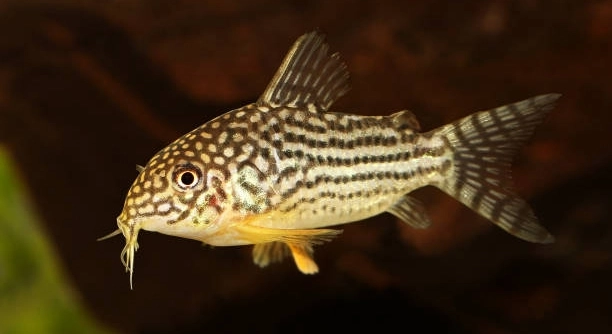
Corydoras catfish are peaceful, bottom-dwelling fish that thrive in community tanks. However, if you’re noticing certain behaviors, it might be a sign they need more tankmates. Understanding these signs can help improve their well-being.
Corydoras catfish are social creatures and often require companionship to feel secure. If they show signs of stress or isolation, adding more tankmates can help alleviate these issues and promote healthier, more active behavior.
Providing additional companions will not only ease their stress but also improve the overall balance of your aquarium. Understanding these signs ensures a happier and healthier environment for your Corydoras.
Corydoras Are Hiding More Than Usual
If your Corydoras are spending more time hiding than usual, it could be a sign that they’re not feeling comfortable in their environment. These fish are social and enjoy interacting with others, so when they seem withdrawn, it can indicate stress or loneliness. Often, Corydoras will retreat to their hiding spots when they don’t have enough tankmates to feel safe. A lack of interaction with other fish may leave them feeling uneasy, leading them to seek shelter.
Adding a few more Corydoras or peaceful tankmates can encourage them to come out more. It will help them feel like they’re part of a group, easing their anxiety and encouraging natural behaviors. The presence of other fish can help your Corydoras feel more secure and confident in their space.
When Corydoras are comfortable, they tend to be more active, swimming around in search of food and socializing with other fish. If they’re staying hidden for long periods, it might be time to consider adjusting the tank’s setup to make them feel less isolated. Ensuring the tank is large enough and provides plenty of hiding spots can make a big difference.
Corydoras Are Not Eating Like They Used To
A decrease in appetite can be another sign that your Corydoras need more tankmates. These fish are typically eager eaters, and when they refuse food, it’s often a sign that something is off. Corydoras are more likely to feel secure and comfortable when surrounded by others, and the presence of tankmates can help ease any stress that may cause them to lose their appetite.
If you notice that your Corydoras aren’t eating as much as they used to, adding more companions could encourage them to be more active and social, which in turn might improve their eating habits. Having more fish to interact with often stimulates their natural behavior and feeding patterns.
Corydoras Are Acting Aggressive
If your normally peaceful Corydoras start showing signs of aggression, it may indicate that they are stressed or feeling crowded. Stress from a lack of tankmates can make them more territorial and less social. This behavior is often a sign that they need the company of other fish to feel secure again.
Adding a few more Corydoras or non-aggressive fish can help restore balance. These catfish thrive in groups and are less likely to show aggressive behavior when surrounded by other peaceful species. Their natural tendencies to school and interact with each other reduce territorial disputes.
When Corydoras feel isolated, they may act out in ways that aren’t typical for their species. If aggression is noticeable, it’s crucial to assess the tank size and the number of fish. The right number of companions will ensure the group behaves naturally, minimizing stress and aggression.
Corydoras Are Becoming More Skittish
Skittish behavior is a common sign that Corydoras need more tankmates. If they’re darting around the tank or appearing to be more jumpy than usual, it often points to a sense of insecurity. These fish are naturally calm but require the comfort of others to feel relaxed in their environment.
When Corydoras are left alone or kept in a tank without enough tankmates, they tend to become more wary and easily startled. The presence of other peaceful fish helps calm them, as they feel safer in numbers. A tank with plenty of companions allows Corydoras to blend into their social group, reducing their skittish behavior.
Keeping Corydoras with others of their species or peaceful tankmates helps minimize their anxiety. Skittishness often comes from not feeling secure, and adding more fish can provide the reassurance they need to feel at ease. By observing their behavior, you can ensure their happiness and well-being.
Corydoras Are Not Exploring Their Tank
If your Corydoras are staying in one area of the tank and not exploring, it could mean they feel unsafe. These fish are naturally curious, but they rely on their tankmates for comfort and security. Without enough fish to interact with, they tend to stick to familiar spots.
A well-populated tank encourages Corydoras to explore and swim more freely. Adding companions helps them feel comfortable moving around. They’re less likely to hide when they have a group to interact with and explore together. This behavior is important for their physical and mental health.
Creating a stimulating environment with plenty of fish and places to explore ensures your Corydoras stay active and healthy. They’re less likely to retreat to one area if they feel secure. More companions in the tank lead to a happier, more active lifestyle for your fish.
Corydoras Are Staying Close to the Surface
When Corydoras hang near the surface more than usual, it could be a sign that they are stressed. These catfish are bottom dwellers, so staying near the surface is not normal behavior. It’s often linked to discomfort or loneliness, signaling that they might need more company in their tank.
Adding more Corydoras or other peaceful fish can encourage them to return to their usual behavior. When surrounded by other fish, Corydoras feel safer and are more likely to stick to their natural habits.
FAQ
How many Corydoras should I have together in a tank?
It’s ideal to keep Corydoras in groups of at least 4-6. These fish are social and feel more secure when they have tankmates to interact with. Smaller groups can lead to stress, as they may not feel comfortable or safe. Larger groups also encourage more natural behavior, such as schooling, and reduce the risk of aggression or isolation.
If you have a smaller tank, you can still keep a few Corydoras, but make sure they are in a well-established environment with peaceful companions. They tend to do well in tanks that mimic their natural habitat, offering hiding places and areas to explore.
What tankmates are best for Corydoras?
Corydoras are peaceful fish, so they do well with other non-aggressive species. Good tankmates include other peaceful bottom-dwellers like loaches, small tetras, guppies, or rasboras. Avoid larger or more aggressive fish that may intimidate the Corydoras or compete for food.
It’s also important to consider the water temperature and pH preferences of your Corydoras and their tankmates. Corydoras thrive in a temperature range of 72-78°F (22-26°C) and prefer slightly acidic to neutral water (pH 6.5-7.5). Ensuring compatibility in water conditions helps maintain a healthy tank.
Do Corydoras need a lot of space?
While Corydoras are small fish, they do require space to move around and interact. A tank that is at least 20 gallons provides enough room for a small group to feel comfortable. The tank should have plenty of hiding spots and open areas for swimming.
Overcrowding can stress the fish and lead to health issues. It’s better to have a tank that is slightly larger than too small, as Corydoras are active fish that benefit from space to explore. Larger tanks also offer better water quality stability, which is important for their health.
Can I keep Corydoras with aggressive fish?
No, Corydoras should not be kept with aggressive or larger fish. These catfish are peaceful bottom dwellers and may get stressed or injured if housed with aggressive species. Fish like cichlids, aggressive barbs, or larger predatory species can easily bully or harm them.
It’s best to choose tankmates that are similar in temperament and size to avoid conflicts. Peaceful fish like danios, platies, and small tetras are more likely to get along with Corydoras. Maintaining a harmonious community tank is key to the well-being of all the fish.
What should I feed my Corydoras?
Corydoras are omnivores and will eat a variety of foods. They enjoy sinking pellets, live or frozen food like worms and shrimp, and even plant matter. You can also offer them blanched vegetables, such as zucchini or spinach. These fish are bottom feeders, so make sure the food sinks to the bottom where they can easily access it.
It’s essential to feed them a balanced diet to ensure their health. Overfeeding should be avoided, as leftover food can pollute the tank. A varied diet will help prevent nutritional deficiencies and keep your Corydoras active and healthy.
Why are my Corydoras staying near the surface?
If your Corydoras are staying near the surface, it could be a sign of stress, poor water quality, or low oxygen levels. Corydoras are typically bottom dwellers, so when they behave this way, it often indicates something is wrong with the environment.
Check your water parameters—ensure the oxygen levels are sufficient, and the water is clean and within the ideal temperature range. If the issue persists, it may be a sign that they are lonely and would benefit from more tankmates. Adding more Corydoras or peaceful fish can help them feel more secure.
How can I tell if my Corydoras are stressed?
Stressed Corydoras may display certain behaviors such as hiding more often, skittishness, or reduced activity. They might also stop eating, or their color may become dull. Stress can come from factors like poor water quality, incompatible tankmates, or a lack of social interaction.
Addressing the source of stress is key to helping your Corydoras. Make sure the tank is well-maintained with stable water parameters. Adding more Corydoras or peaceful tankmates can also help reduce stress and encourage more natural behaviors.
Can Corydoras live with shrimp?
Yes, Corydoras can live with shrimp, but there are a few considerations. Corydoras are generally peaceful, and their slow movements are not a threat to shrimp. However, larger shrimp or those with delicate exoskeletons might be at risk from the Corydoras.
Ensure that your shrimp species is compatible with Corydoras. Smaller shrimp like cherry shrimp and ghost shrimp do well with Corydoras, as they spend most of their time higher up in the tank. Also, be mindful of the shrimp’s hiding spots, as Corydoras may accidentally disturb them while scavenging.
Do Corydoras need a filter?
Yes, Corydoras require a well-maintained filtration system. These catfish are sensitive to poor water quality, and a filter helps keep the water clean and oxygenated. They need stable water conditions to thrive, and a filter plays a key role in maintaining that balance.
When choosing a filter, ensure it’s not too strong, as Corydoras are small and may have difficulty swimming against powerful currents. Opt for a filter with a gentle flow to create a peaceful environment while keeping the water clear and fresh.
Final Thoughts
Corydoras catfish are peaceful, social creatures that thrive in environments where they feel safe and secure. These bottom-dwelling fish need companionship to be their healthiest and happiest. Without enough tankmates, they may become stressed, withdrawn, or even show signs of aggression. If you notice any of these behaviors, it’s likely a sign that your Corydoras would benefit from more fish in the tank. By adding more Corydoras or peaceful tankmates, you can create a more comfortable, active, and social environment for them.
When it comes to tank size and number of companions, it’s always better to err on the side of caution. Corydoras thrive in groups, so aim to keep at least four to six in a well-sized tank. This will help reduce stress and encourage natural behaviors, like swimming and exploring. The ideal environment includes a mix of open swimming areas and hiding spots where they can retreat if needed. This balance makes them feel more secure and promotes their overall well-being. Keep in mind that maintaining clean water and a stable environment is just as important as ensuring they have enough tankmates.
Providing Corydoras with the right companions is essential for their happiness. While they do well with other peaceful species, it’s important to avoid aggressive or larger fish that may intimidate them. By carefully selecting tankmates and keeping an eye on their behavior, you can ensure your Corydoras live a healthy, stress-free life. Watching them interact with other fish and explore their tank is a sign that they are content and comfortable in their environment.

Hello,
If you enjoy the content that we create, please consider saying a "Thank You!" by leaving a tip.
Every little bit helps us continue crafting quality advice that supports the health, happiness, and well-being of pets around the world, for pets of all shapes, sizes, and species.
We really appreciate the kindness and support that you show us!