
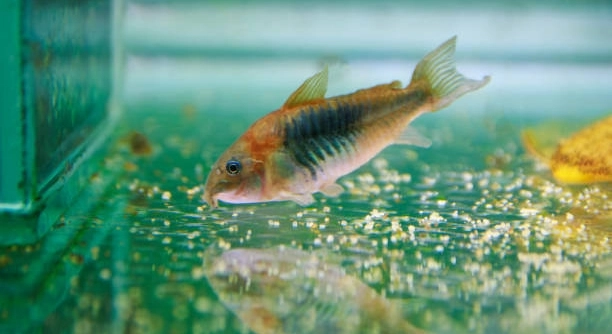
Corydoras catfish are popular aquarium fish known for their friendly nature and bottom-dwelling habits. However, it’s common for them to hide from time to time, leaving owners puzzled about their behavior.
Corydoras catfish often hide due to stress, poor water conditions, illness, or inadequate tank mates. They may also hide to rest or seek shelter from overly bright lighting. Ensuring proper water parameters and a peaceful environment helps reduce hiding.
Understanding the reasons behind this behavior will guide you in creating a healthier and more comfortable environment for your corydoras.
Stress from Tank Mates
Corydoras catfish are peaceful creatures, but they can easily become stressed by aggressive tank mates. If they are kept with overly active or territorial fish, they may retreat into hiding. It’s important to carefully choose tank mates that won’t provoke them. Fish like tetras, guppies, and other peaceful species are ideal companions for corydoras. Avoid larger fish that could see them as prey or smaller, aggressive fish that could intimidate them. Stress from their tank mates can cause anxiety, making them hide more frequently to feel safe.
Many aquarists often overlook the importance of tank compatibility, leading to unexpected stress for their fish. The solution lies in creating a harmonious tank environment where all the species get along. A peaceful tank helps reduce anxiety and ensures that all fish, including corydoras, feel secure. Stress-free fish are more likely to engage with their surroundings and show natural behaviors.
In addition to considering tank mates, be sure the aquarium is large enough for the fish to establish their own space. Having plenty of hiding spots can give them a sense of security, reducing the chances of them constantly hiding.
Poor Water Conditions
Water quality plays a significant role in the health of your corydoras catfish. If the water parameters are not ideal, they may hide to avoid discomfort. Corydoras thrive in clean, well-maintained water with a temperature range of 72-78°F, a pH level of 6.5-7.5, and low water hardness.
Poor water conditions, including high levels of ammonia or nitrites, can cause stress and health issues for your fish. Regular water changes and testing for harmful substances are essential to maintaining a healthy environment. It’s also important to check the filtration system, as a poor filtration system can lead to dirty water that affects your fish’s well-being. Ensuring that the water remains clean and stable will reduce hiding behaviors and keep your corydoras healthy and active.
Illness or Injury
Corydoras catfish, like any other fish, may hide when they are sick or injured. Illness often causes discomfort, leading the fish to seek out hiding spots for rest. Symptoms like clamped fins, pale color, or erratic swimming should be taken seriously.
If your corydoras is hiding and showing signs of illness, it’s important to quarantine the fish and treat the tank. Common issues include parasites, fin rot, and fungal infections, which can be treated with the right medication. Proper care, like maintaining a clean environment and watching for early signs of illness, can help prevent serious health problems.
Additionally, an injury caused by tank mates or decorations can make your corydoras seek shelter. Inspect the tank carefully for sharp edges or objects that could harm them. Treat any wounds or cuts promptly to avoid further complications. A healthy and safe environment reduces the likelihood of hiding behaviors.
Bright Lighting
Bright lighting can be overwhelming for corydoras catfish. These fish are more accustomed to dimmer environments and prefer lower light levels, which mimic their natural habitat in rivers and streams. Bright aquarium lights can cause stress, making them retreat into hiding.
If your corydoras catfish is hiding more often than usual, it may be because the lights are too bright for comfort. Consider reducing the intensity of the lights or using more natural, softer lighting. Providing shaded areas in the tank can also help your fish feel more secure. Fish feel safer in environments that replicate their natural habitat, so adjusting the lighting can make a significant difference in their behavior.
Ensure that the lighting is not left on for too long each day, as this can contribute to stress. A lighting schedule with 8-10 hours of light per day should be sufficient for both the health of your plants and the comfort of your fish.
Overcrowding in the Tank
If your tank is overcrowded, your corydoras catfish may hide to avoid the stress of limited space. Fish need room to swim and establish their own territory. Overcrowding can also lead to poor water quality and aggression from tank mates.
In an overcrowded tank, fish become stressed as they struggle to find space to swim freely. This leads to more hiding as they try to stay out of the way. The solution is to reduce the number of fish in the tank to maintain a peaceful and balanced environment.
More space allows the corydoras to feel secure and avoid competition for food or hiding spots. Additionally, an adequate tank size promotes healthier fish and reduces the chances of aggression.
Temperature Fluctuations
Corydoras are sensitive to temperature changes. They may seek hiding spots if the water temperature fluctuates too much. These fish prefer stable temperatures within their ideal range, which helps them feel secure and comfortable.
Sharp changes in temperature can cause stress and trigger hiding behavior. Use a reliable aquarium heater to maintain a steady temperature and ensure your fish remain healthy and active. Regularly monitor the temperature and make adjustments if necessary to avoid harmful fluctuations.
FAQ
Why is my corydoras catfish hiding all the time?
Corydoras catfish may hide if they are stressed, ill, or uncomfortable with their environment. Factors like poor water quality, aggressive tank mates, or bright lighting can contribute to this behavior. To reduce hiding, ensure a peaceful environment, clean water, and proper tank conditions.
How can I tell if my corydoras catfish is stressed?
Signs of stress in corydoras include hiding more than usual, a change in color (pale or darkened), and erratic swimming. If your catfish is staying in one spot, swimming strangely, or appears sluggish, check for issues like poor water quality, incorrect temperature, or aggressive tank mates.
What are the best tank mates for corydoras catfish?
Corydoras thrive with peaceful species such as tetras, guppies, or small rasboras. Avoid aggressive or large fish that might intimidate them. Make sure your corydoras have enough space to swim and hide when necessary, as well as safe tank mates to reduce stress.
Can I keep corydoras catfish with bettas?
While corydoras are peaceful, bettas can be territorial, especially males. If you’re considering keeping both species together, make sure to monitor their interactions. A large tank with plenty of hiding spots and careful placement can help avoid conflicts between them.
What should I do if my corydoras catfish is injured?
If your corydoras is injured, immediately check the tank for sharp objects or aggressive tank mates that could have caused the injury. Quarantine the fish in a separate tank and treat any wounds with a mild antiseptic solution. If the injury is severe, consult a veterinarian experienced with fish.
How often should I feed my corydoras catfish?
Corydoras should be fed 2-3 times a day with a small portion of food. Overfeeding can lead to poor water quality and stress for your fish. Provide sinking pellets, frozen or live foods like bloodworms, and supplement their diet with vegetables such as blanched peas.
What is the ideal water temperature for corydoras catfish?
Corydoras prefer a water temperature between 72°F and 78°F. Sudden temperature changes can cause stress and lead to hiding behavior. Use a reliable aquarium heater and a thermometer to ensure the water stays within the ideal range for your fish’s health.
Can corydoras catfish live with shrimp?
Corydoras and shrimp can generally coexist peacefully, especially species like Amano shrimp or cherry shrimp. However, be cautious with smaller shrimp, as corydoras might accidentally disturb them while scavenging for food. Provide plenty of hiding places for the shrimp to escape if necessary.
How do I reduce hiding behavior in my corydoras catfish?
To reduce hiding behavior, improve water quality, maintain a stable temperature, and provide plenty of hiding spots in the tank. Avoid overcrowding and ensure that tank mates are peaceful. A dimmer lighting setup will also help your corydoras feel more secure and less stressed.
Do corydoras catfish need a group to feel comfortable?
Yes, corydoras are social fish and feel more comfortable in groups. It’s best to keep them in groups of at least three to four, as they thrive on the security and companionship of other corydoras. A group also reduces stress and promotes natural behaviors.
What type of substrate is best for corydoras catfish?
Corydoras catfish prefer a soft, sandy substrate where they can comfortably sift through the sand in search of food. Avoid sharp gravel or rough rocks, as these can injure their sensitive barbels. A fine, smooth substrate is ideal for their well-being.
Why is my corydoras catfish not eating?
If your corydoras is not eating, it may be stressed, ill, or uncomfortable with the water conditions. Check for signs of illness or injury, and ensure the water quality is optimal. If the fish is hiding excessively or behaving strangely, consult a veterinarian for advice.
How long can corydoras catfish live?
Corydoras catfish can live for 5 to 10 years if properly cared for. Their lifespan depends on factors like water quality, diet, and the overall health of the tank. Providing a stable environment, along with proper feeding and maintenance, helps ensure a long and healthy life for your corydoras.
What can I do if my corydoras catfish keeps swimming at the surface?
If your corydoras is swimming at the surface, check for low oxygen levels in the tank. Corydoras typically swim near the bottom, so surface swimming can indicate poor water quality or a lack of oxygen. Add an air stone or improve water circulation to resolve the issue.
Do corydoras catfish need a filter?
Yes, corydoras require a filter to maintain clean water. A good filtration system helps remove waste and toxins that can harm the fish. However, avoid strong currents that might stress the corydoras, as they prefer calmer water. Choose a filter that suits the tank’s size and water flow requirements.
Final Thoughts
Corydoras catfish are generally peaceful, bottom-dwelling fish that enjoy a calm and secure environment. If you notice your corydoras hiding, it’s important to assess the tank conditions and address any factors that may be causing stress. Common issues such as poor water quality, aggressive tank mates, and inadequate lighting can lead to hiding behavior. By observing your fish closely, you can identify the underlying problem and take steps to resolve it.
Creating a stress-free environment for your corydoras requires a few key considerations. First, ensure the water temperature is stable and within the ideal range of 72°F to 78°F. Corydoras are sensitive to temperature changes, so maintaining a consistent environment is essential for their well-being. Additionally, keeping the water clean and well-filtered will prevent toxins from building up, which can negatively impact their health. Proper tank maintenance and regular water changes will help keep the conditions optimal.
Finally, socializing your corydoras with other peaceful fish and providing adequate hiding spaces can significantly reduce hiding behavior. Corydoras are social creatures that thrive in groups, so keeping at least three or four together will make them feel more secure. If the hiding behavior continues despite making adjustments, it might be worth consulting an expert or a veterinarian to rule out health issues. With proper care, your corydoras catfish will thrive and display their natural behaviors, adding beauty and balance to your aquarium.

Hello,
If you enjoy the content that we create, please consider saying a "Thank You!" by leaving a tip.
Every little bit helps us continue crafting quality advice that supports the health, happiness, and well-being of pets around the world, for pets of all shapes, sizes, and species.
We really appreciate the kindness and support that you show us!