
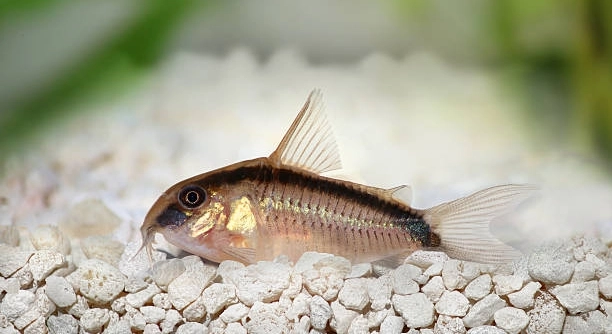
Have you ever brought home Corydoras catfish and noticed they seem shy or unsettled in their new environment? These peaceful bottom dwellers need specific conditions to feel comfortable and safe in their tank.
The best way to help your Corydoras catfish feel safe is by providing a soft substrate, plenty of hiding spots, stable water conditions, and the company of their own species. These factors reduce stress and promote natural behavior.
From choosing the right tank decorations to understanding their social needs, each step can help your Corydoras thrive peacefully in your care.
Add Soft Sand Substrate
Corydoras have delicate barbels they use to search the tank floor for food. Sharp or rough gravel can damage these barbels and cause infections or stress. To help them feel safe and healthy, it’s best to use soft sand as your substrate. Fine sand mimics their natural habitat and allows them to sift through it comfortably. Avoid gravel or anything with jagged edges. Make sure the sand is clean and doesn’t compact easily, as compacted sand can trap waste and create poor water quality. Rinse the sand thoroughly before adding it to your tank to remove any dust or residue.
Soft sand gives your Corydoras a safe surface to explore and dig into. It also encourages natural behaviors, which helps reduce their stress.
Always monitor the sand’s cleanliness. Use a gentle vacuuming method to remove waste without disturbing the Corydoras. This keeps their environment stable and improves their comfort.
Provide Hiding Spots
Corydoras are shy and prefer low-light areas or places where they can rest without being exposed. Hiding spots help them feel secure, especially when they are new to the tank or if the environment becomes noisy or busy.
Use natural decorations like driftwood, live plants, or aquarium-safe caves to build several hiding places throughout the tank. Spread them across different areas so your fish can choose where they feel safest. The cover not only offers protection from stress but also creates a more enriching tank environment. Avoid decorations with sharp edges or small holes that could trap them. Live plants are especially helpful because they also improve water quality. When your Corydoras have enough cover, you’ll see them explore more confidently. Even though they like hiding, having these secure areas makes them more likely to come out and interact in a calm, natural way.
Keep Them in a Group
Corydoras are social fish that thrive in groups. Keeping just one or two can cause them to become stressed or inactive. A group of six or more helps them feel secure and behave naturally.
When Corydoras are kept in groups, they feel more confident and are more active throughout the day. You’ll notice them swimming together, foraging in the substrate, or resting in a cluster. This kind of behavior is comforting for them. Loneliness can lead to anxiety and poor health, so aim to keep at least six of the same species. While they can tolerate mixed Corydoras species, they prefer being with their own kind. Providing enough space in the tank ensures they can move freely without crowding. Watching them interact with one another in a peaceful group setting can also help you better understand their needs and moods.
Adding more Corydoras can make a big difference in their behavior. They’ll explore more, eat better, and hide less. When they feel part of a group, they tend to show their true personality. You’ll often see them swimming in patterns or resting close to each other, especially when the tank feels safe. A strong group dynamic not only reduces stress but also encourages playful interaction and mutual comfort.
Maintain Stable Water Conditions
Corydoras are sensitive to water changes, so fluctuations in temperature, pH, or ammonia levels can make them feel unsafe. Stable conditions help support their immune system and allow them to stay calm and active throughout the day.
Use a reliable heater to keep the water temperature between 72°F and 78°F. Keep the pH level around 6.5 to 7.5 and avoid sudden changes. Always test the water weekly for ammonia, nitrite, and nitrate levels using a liquid test kit. Perform partial water changes of 20–30% weekly, and treat tap water with a dechlorinator before adding it to the tank. Avoid overfeeding, as uneaten food can quickly raise ammonia levels. A sponge filter or gentle hang-on-back filter helps with both oxygen and water flow. Consistency in water parameters ensures your Corydoras stay relaxed, avoid stress-related illness, and live longer.
Keep Lighting Low
Corydoras are more active and comfortable in low-light settings. Bright lighting can make them feel exposed and uneasy. Use dim aquarium lights or floating plants to soften the brightness and create a shaded environment.
Soft lighting encourages natural behavior and keeps your Corydoras calm. Avoid sudden changes in brightness, which can startle them.
Avoid Strong Water Currents
Corydoras prefer gentle water flow, similar to the slow-moving streams they come from. Strong currents can tire them out and push them away from areas where they usually rest or feed. Use sponge filters or adjustable flow filters to manage water movement. Direct outflows toward tank walls to soften the force. You can also place plants or decorations in front of filter outputs to slow the flow further. Always watch how your fish react to water movement—if they struggle to swim or stay near the bottom, the current is likely too strong. A calm environment makes your Corydoras feel more secure.
Feed a Balanced Diet
A varied diet helps your Corydoras stay healthy and less stressed. Offer sinking pellets, frozen foods, and occasional live treats like bloodworms or daphnia.
FAQ
How many Corydoras should I keep together?
Corydoras are social fish that thrive in groups. It’s best to keep at least six of them together to ensure they feel secure. A small group of two or three can lead to stress, and they may not exhibit their natural behaviors. The more Corydoras you have, the happier and more active they’ll be. They are more likely to interact and exhibit behaviors like foraging and swimming together when kept in a group.
What size tank do Corydoras need?
Corydoras can adapt to various tank sizes, but the minimum recommended size is 20 gallons for a group of six. A larger tank allows them more space to explore and reduces the risk of stress. If you plan to keep other fish in the same tank, ensure there’s enough room for everyone. Corydoras prefer tanks with a larger footprint rather than one with excessive height. This gives them more space to swim and interact.
Can Corydoras live with other fish?
Yes, Corydoras are peaceful and can live with most other fish species. They do well with community fish that aren’t aggressive. Avoid housing them with fin-nippers or overly large fish that may intimidate them. Corydoras are bottom dwellers, so they typically won’t interfere with fish in the upper parts of the tank. Suitable tank mates include guppies, tetras, and small livebearers.
What should I feed my Corydoras?
Corydoras are omnivores and will eat a variety of foods. Their diet should consist of sinking pellets, frozen foods like bloodworms or brine shrimp, and occasional live food. Offering a balanced diet is important to keep them healthy. They’ll also scavenge for leftover food at the bottom of the tank, which is why it’s essential to avoid overfeeding. Be sure to remove uneaten food to prevent water quality issues.
How often should I feed my Corydoras?
Corydoras should be fed once or twice a day, depending on their size and activity level. Feed them small portions that they can eat in a few minutes. Overfeeding can cause poor water quality and lead to stress or health issues. Always monitor their feeding behavior to ensure they are getting enough food, but not too much.
Why are my Corydoras hiding all the time?
If your Corydoras are constantly hiding, it could be due to stress. Ensure their tank is set up with plenty of hiding spots and low light levels. It could also be caused by water quality issues or incompatible tank mates. Check the water parameters to ensure they are within the right range, and make sure the tank is not too loud or too busy. Corydoras also feel safer when kept in groups, so if you only have one or two, consider adding more.
How can I tell if my Corydoras are stressed?
Stressed Corydoras may exhibit behaviors like excessive hiding, not eating, or swimming erratically. They may also stay at the bottom of the tank or near filter outflows. Pay attention to their fins—if they’re clamped tightly against their body, this could be a sign of stress. It’s important to address stress factors such as water quality, tank mates, or overcrowding.
What water temperature is best for Corydoras?
Corydoras prefer water temperatures between 72°F and 78°F (22°C – 25°C). Water that is too warm or too cold can stress them, making them more susceptible to diseases. Always use a reliable heater to maintain a consistent temperature. Sudden temperature fluctuations can be harmful, so ensure the tank remains stable at all times.
How do I clean my Corydoras’ tank?
Regular cleaning is important to keep your Corydoras healthy. Perform partial water changes of 20-30% once a week, and use a siphon to remove debris from the substrate. Avoid using harsh chemicals or soaps, as these can harm the fish. A sponge filter or gentle filtration system helps maintain clean water without disturbing the bottom dwellers.
Why are my Corydoras not eating?
If your Corydoras are not eating, it could be due to stress, water quality issues, or illness. Check the water parameters for ammonia, nitrites, and nitrates. Corydoras may also refuse food if the tank is too noisy, bright, or crowded. If the problem persists, consult a vet who specializes in fish to rule out health concerns.
Do Corydoras need a filter?
Yes, Corydoras require a filtration system to maintain water quality. However, they do not do well with strong water currents, so choose a filter that provides gentle flow. Sponge filters or low-flow hang-on-back filters are great options for Corydoras. The filter will help remove waste and provide essential oxygen for the fish.
Can Corydoras live in a tank without a lid?
Corydoras can live in a tank without a lid, but it’s not ideal. While they are bottom dwellers and don’t tend to jump out of the tank, it’s still possible for them to do so, especially if they feel stressed or if water conditions aren’t right. It’s best to keep a lid on the tank to ensure your fish remain safely inside.
Final Thoughts
Caring for Corydoras catfish is straightforward, but it requires attention to detail. These peaceful and charming fish thrive in a well-maintained tank with proper water conditions, lighting, and tank mates. Ensuring their environment is safe and stress-free is key to keeping them healthy and happy. By following simple guidelines such as keeping the water temperature stable, providing a varied diet, and ensuring they are housed in groups, your Corydoras will feel secure in their tank. The more you learn about their behavior and needs, the easier it becomes to keep them content.
One of the most important aspects of Corydoras care is ensuring they are not exposed to strong currents or overly bright lights. These fish come from slow-moving waters and prefer environments that mimic their natural habitats. With gentle filtration and low lighting, they will feel comfortable enough to explore, swim, and interact with their tank mates. It is also essential to maintain good water quality by regularly performing water changes and checking water parameters to keep them from becoming stressed or ill.
By keeping a close eye on your Corydoras’ health and tank conditions, you can prevent many common issues. They are hardy and adaptable, but stress from unsuitable tank conditions or incompatible tank mates can affect their well-being. If you take the time to meet their basic needs and create a peaceful environment, your Corydoras catfish will thrive. Proper care and attention can turn your aquarium into a serene space where these delightful fish feel safe and comfortable.

Hello,
If you enjoy the content that we create, please consider saying a "Thank You!" by leaving a tip.
Every little bit helps us continue crafting quality advice that supports the health, happiness, and well-being of pets around the world, for pets of all shapes, sizes, and species.
We really appreciate the kindness and support that you show us!