
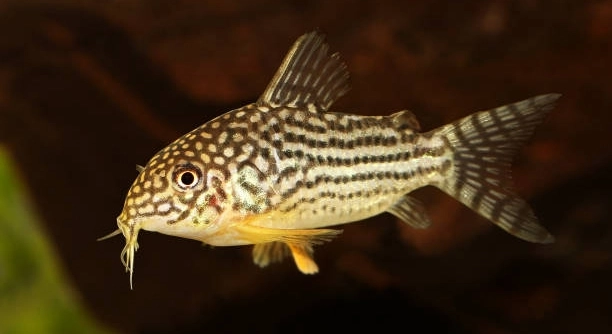
Corydoras catfish are a popular choice for community tanks. These peaceful, bottom-dwelling fish can thrive in a variety of environments when given the proper care and attention. Keeping them happy is essential for their well-being.
The key to keeping Corydoras catfish happy in a community tank involves maintaining a stable environment, proper water conditions, and providing suitable tank mates. They thrive in soft, well-filtered water with gentle currents and need a balanced diet to stay healthy.
Ensuring they are in a harmonious tank environment will help you support their long-term happiness and health.
Create a Peaceful Environment for Your Corydoras Catfish
Corydoras catfish are known for their calm and peaceful nature, which is why creating a peaceful environment in the tank is essential for their well-being. They enjoy low-flow areas with plenty of hiding spots. Soft, smooth substrate like sand is ideal, as sharp rocks can damage their sensitive barbels. Providing plants and decorations that offer hiding spaces will make them feel secure and reduce stress. Corydoras also thrive in groups, so it’s best to keep them in small schools of 3 to 6, where they feel more comfortable and less vulnerable.
The water temperature should be stable, typically between 72-78°F. Corydoras are quite sensitive to rapid changes in their environment. Ensure your tank is free from aggressive fish that might stress them out. Keeping the water clean is equally important, as they are susceptible to poor water quality. Regular water changes and good filtration will help maintain the tank’s health.
Maintaining a calm, stable environment will help your Corydoras catfish live a long, healthy life in a community tank.
Choose the Right Tankmates
When selecting tankmates, keep in mind that Corydoras catfish are bottom dwellers, so it’s important to avoid aggressive fish that could disturb them. Peaceful species like small tetras, rasboras, or mollies work well.
Corydoras can coexist with various peaceful fish, but compatibility should always be checked. Avoid large or overly active fish that might outcompete them for food or harass them. Some fish, like bettas, may see Corydoras as threats or competitors for space. This can lead to stress, and in some cases, injury. On the other hand, schooling fish that stay at different tank levels won’t pose a threat, ensuring your Corydoras stay happy and relaxed.
Choosing the right tankmates is a crucial step to maintaining a stress-free environment for your Corydoras.
Provide a Balanced Diet
Corydoras catfish are omnivores, so a varied diet is essential for their health. They enjoy sinking pellets, frozen foods, and live options. A mix of protein-rich food and vegetable matter is best.
They’ll gladly eat live or frozen foods like brine shrimp, bloodworms, and daphnia. These options help provide the protein they need. Supplementing their diet with algae wafers or blanched vegetables, such as zucchini or spinach, gives them essential nutrients. It’s important to feed them small amounts throughout the day rather than one large meal. Overfeeding can lead to poor water quality, so ensure you remove any uneaten food.
Maintaining a balanced diet for your Corydoras will support their immune system and overall well-being. A well-fed Corydoras is a healthy one.
Keep Water Quality Optimal
Corydoras are sensitive to water quality, and poor conditions can cause stress and illness. Regular water changes are crucial, and the water should be well-filtered.
They prefer soft, slightly acidic water, with a pH between 6.5 and 7.5. Ensure that ammonia, nitrites, and nitrates stay at safe levels by using a reliable filter and testing the water regularly. High levels of these substances can be harmful to Corydoras. Their sensitive gills make them prone to respiratory issues if the water quality is compromised. Additionally, avoid sudden temperature changes.
By maintaining high water quality, your Corydoras will thrive in a clean, stable environment. It’s the foundation of a healthy community tank.
Ensure Proper Tank Size
Corydoras need space to move around, especially in a community tank. A tank that’s too small will cause stress and hinder their ability to swim freely. A minimum of 20 gallons is recommended for a small group.
When keeping multiple Corydoras, it’s essential to provide enough space for them to explore. Too many fish in a small tank can create competition for resources and lead to overcrowding. A larger tank allows for a better balance of water quality and ensures that all fish, including Corydoras, have enough room to thrive.
Investing in an adequately sized tank will promote a happier, healthier environment for your Corydoras.
Keep the Tank Clean
Regular maintenance is key to ensuring the health of Corydoras catfish. Clean the tank regularly, including the substrate and filter.
Corydoras are bottom dwellers and often stir up debris, so it’s important to vacuum the substrate during water changes. Clean the filter as well, but be careful not to remove all the beneficial bacteria that help break down waste. Keep an eye out for any signs of algae buildup, as it can reduce water quality. A clean tank will help avoid illnesses and keep the water fresh for your fish.
Monitor Tank Temperature
Corydoras thrive in a temperature range of 72-78°F. Monitoring the tank’s temperature is vital to avoid fluctuations.
Fluctuations in temperature can stress Corydoras, affecting their immune system and making them more vulnerable to disease. Use a reliable aquarium heater to maintain consistent temperatures. A thermometer will help you keep track and prevent sudden drops or spikes in water temperature, which can harm your fish. Stable conditions are essential for their well-being and help prevent stress-related issues.
FAQ
How many Corydoras catfish should be kept together?
Corydoras are social creatures and feel most comfortable in groups. It’s recommended to keep at least 3-6 Corydoras together. In larger tanks, you can increase the number of fish to promote natural behavior and reduce stress. Keeping them in groups helps prevent loneliness and encourages more active behavior. Too few Corydoras may lead to shyness, and they won’t display their full personality.
Can Corydoras live with shrimp or snails?
Yes, Corydoras generally do well with shrimp and snails. They’re peaceful and will not harm smaller tank inhabitants. In fact, shrimp like Amano shrimp and snails such as nerites can help keep the tank clean by eating leftover food. However, avoid smaller, more delicate shrimp species, as they could become targets for more aggressive fish or even be accidentally squished by the Corydoras while they’re scavenging. Always observe how your tank mates interact to ensure peaceful coexistence.
Do Corydoras need a heater?
Yes, Corydoras do best with a heater, especially in tanks that are kept at room temperature. Corydoras thrive in temperatures between 72-78°F. A stable water temperature prevents stress, and a heater ensures that temperature fluctuations don’t happen. Without a heater, temperature changes can be harmful, leading to weakened immune systems and illnesses. An aquarium heater will maintain the water at the right temperature and ensure your Corydoras stay comfortable.
Can Corydoras catfish live in cold water?
Corydoras are not cold-water fish. They need a stable temperature between 72-78°F to stay healthy. If the water gets too cold, it can slow their metabolism, leading to lethargy and potential health issues. They are not suited for ponds or tanks with temperatures below their preferred range. Keeping the water warm enough will support their immune system, digestion, and overall activity levels. In colder climates, it’s essential to use a heater in the aquarium.
What kind of substrate is best for Corydoras?
Corydoras catfish are bottom dwellers with sensitive barbels, so a soft, smooth substrate is ideal. Sand is the best option, as it won’t cause damage to their barbels, unlike sharp gravel or rough substrates. You can also use fine gravel, but make sure it’s smooth and rounded. Avoid any rough or sharp-edged stones, as they can scrape or injure the fish. A fine, soft substrate also allows Corydoras to dig and forage without the risk of injury.
How often should I feed Corydoras catfish?
Feed Corydoras twice a day, offering small amounts of food. Overfeeding can lead to water quality issues, so it’s better to feed smaller portions more often. Sinking pellets are ideal as they reach the bottom where Corydoras typically feed. They will also enjoy occasional live or frozen foods like brine shrimp or bloodworms. Make sure to remove any uneaten food after 10-15 minutes to prevent it from decaying and polluting the water.
Why are my Corydoras catfish not eating?
If your Corydoras catfish are not eating, it could be due to several factors. Poor water quality is often the cause, so check the ammonia, nitrite, and nitrate levels. Stress from aggressive tank mates or sudden temperature changes can also cause loss of appetite. If your fish are new to the tank, they might need some time to adjust. Additionally, Corydoras may avoid food if they are too intimidated to forage in a crowded or overly active tank. Ensuring a calm, stable environment will encourage feeding.
Do Corydoras catfish breed easily in a community tank?
Breeding Corydoras in a community tank can be challenging. While they do breed in the wild, creating the perfect conditions for breeding can be difficult in a mixed tank. Corydoras require clean, stable water and a slightly cooler temperature to trigger breeding. They also need places to lay their eggs, like flat surfaces or plants. If there are aggressive fish or unsuitable conditions, breeding might not happen. You’ll also need to keep an eye on the eggs, as other fish might eat them.
How can I tell if my Corydoras catfish are stressed?
Stressed Corydoras may exhibit behaviors like staying hidden in corners, not feeding, or swimming erratically. They might also become lethargic, showing little interest in moving or interacting with other tank mates. Changes in coloration or excessive darting in and out of hiding spots are also signs of stress. If your Corydoras are showing these signs, check the water quality, temperature, and tank mates to ensure they are comfortable. Keeping the environment calm and stable is key to reducing stress in your fish.
How long do Corydoras catfish live?
On average, Corydoras catfish can live for 5 to 7 years with proper care. However, some individuals can live longer, up to 10 years or more. Their lifespan depends on factors like water quality, diet, tank conditions, and the level of stress they experience. Maintaining a stable environment with good water quality, a balanced diet, and proper tankmates will help your Corydoras live a long, healthy life.
Can Corydoras catfish tolerate salt?
Corydoras are sensitive to salt, and it should generally be avoided in their tank. Freshwater fish like Corydoras do not require salt, and using salt can cause stress to their delicate gills. If salt is added to the tank as part of treatment for another fish, be sure to remove your Corydoras temporarily to avoid harm. Always check the specific needs of the other fish in the tank and consult a professional before introducing any salt to the aquarium.
Do Corydoras catfish clean the tank?
While Corydoras are often referred to as “clean-up crew” fish due to their scavenging habits, they do not actually clean the tank in the same way snails or shrimp might. They do help by eating leftover food and debris from the bottom of the tank, which can help reduce waste buildup. However, they shouldn’t be relied on to keep the tank entirely clean. Regular tank maintenance, including water changes and substrate cleaning, is still essential to keep the aquarium in good condition.
Final Thoughts
Corydoras catfish are peaceful and charming fish that can thrive in a community tank when their needs are met. They are easy to care for, but it’s important to ensure their environment is stable and comfortable. Their natural behavior of foraging and interacting with other species makes them an excellent addition to most community tanks, especially when kept in groups. However, they are sensitive to water conditions and temperature fluctuations, so attention to detail in maintaining these factors is crucial. A well-maintained tank with clean, soft substrate and appropriate water temperature will allow them to thrive.
Although Corydoras are low-maintenance fish, it’s still essential to consider their social needs. They prefer the company of their own kind and should not be kept alone. Having at least three or more Corydoras in the tank will encourage natural behavior, reduce stress, and help keep them active. Overcrowding can also lead to stress, so providing enough space is key. Remember to keep their tankmates peaceful and avoid aggressive species that might bully them. A balanced community tank, combined with proper care, will create a harmonious environment for Corydoras.
Lastly, paying attention to the small details like water quality, food, and regular maintenance can make all the difference in your Corydoras’ health. Even though they are hardy, poor water conditions can lead to stress, illness, or a shortened lifespan. By following basic care guidelines and being observant of any changes in behavior or health, you can ensure your Corydoras live a long and happy life. With the right care, Corydoras catfish will bring enjoyment and beauty to your aquarium for years to come.

Hello,
If you enjoy the content that we create, please consider saying a "Thank You!" by leaving a tip.
Every little bit helps us continue crafting quality advice that supports the health, happiness, and well-being of pets around the world, for pets of all shapes, sizes, and species.
We really appreciate the kindness and support that you show us!