
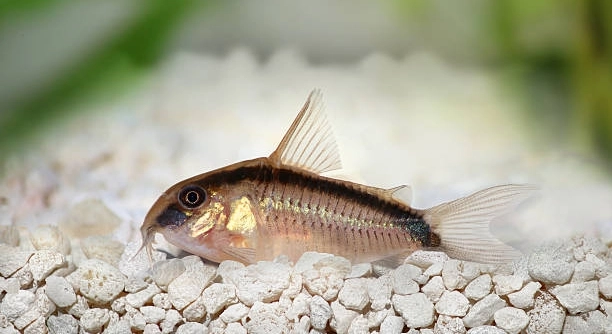
Corydoras catfish are popular among aquarium owners due to their peaceful nature and attractive appearance. However, it is important to ensure they are healthy and well-cared for to maintain their well-being in your tank.
To determine the health of your Corydoras catfish, you should observe key signs such as active swimming, clear eyes, and healthy skin. Consistent behavior, a healthy appetite, and proper response to the environment are also indicators of good health.
By understanding these signs, you’ll be able to spot potential issues early and take the necessary steps to keep your fish happy and thriving.
Key Signs of a Healthy Corydoras Catfish
One of the best ways to tell if your Corydoras catfish is healthy is by observing its swimming habits. A healthy Corydoras is active and moves around the tank without difficulty. If your catfish is swimming erratically, staying still for long periods, or struggling to move, it may indicate a health issue. When they’re in good condition, Corydoras catfish will often be seen swimming in small groups or near the bottom of the tank, exploring their environment. Another important sign is their ability to forage for food. A healthy fish will eagerly swim to food sources and display normal feeding behavior.
If your Corydoras is regularly staying at the top of the tank or seems lethargic, this could be a sign of stress or illness. A healthy catfish will swim freely throughout the aquarium, appearing curious and interactive with its surroundings. Observing your fish’s behavior is essential to spotting any early signs of trouble.
Keeping an eye on these behaviors will help ensure your Corydoras stays happy and healthy. A well-maintained tank with proper water quality also plays a major role in their overall health.
Clear Eyes and Healthy Skin
Healthy Corydoras catfish will have clear, bright eyes and smooth, clean skin. Their skin should not appear dull, rough, or have any lesions.
A healthy Corydoras catfish’s eyes will be clear and shiny, without any cloudiness or redness. If your catfish’s eyes look cloudy or have a white film, it could be an indication of a bacterial infection. Additionally, healthy skin should appear smooth, free of blemishes, and without any signs of sores or cuts.
Healthy Appetite and Eating Habits
A healthy Corydoras catfish will actively search for food and show enthusiasm during feeding times. If your fish refuses food or shows little interest, it may be a sign of illness or stress.
Watch for signs like a lack of appetite or disinterest in the food you provide. If your Corydoras is not eating or seems to struggle with swallowing, it could indicate health problems. Regular feeding and an eager response to food are indicators that your catfish is in good condition. Additionally, a healthy catfish will have a balanced diet and be able to digest its meals without trouble.
Make sure you are providing a proper diet for your fish, such as sinking pellets or live food. If your fish is consistently eating well, it’s a good sign they are healthy.
Skin and Fin Condition
The condition of your Corydoras catfish’s fins and skin is an important indicator of health. Healthy skin will be smooth, without lesions, and fins should be intact and flexible.
Fins should not have fraying edges or signs of decay. If you notice any rips, tears, or fin clamping (where the fins are kept close to the body), it may be a sign of stress, injury, or infection. Additionally, look for any unusual marks or discoloration on the skin, which can suggest parasites, wounds, or fungal infections.
Regularly inspecting your catfish for any changes in the appearance of their skin and fins will help catch issues early. Taking note of any abnormalities allows for quick intervention, ensuring your fish stays in top condition.
Active Behavior and Movement
Healthy Corydoras catfish are constantly on the move, exploring the bottom of the tank. They should not remain still for extended periods or show signs of sluggishness.
If your fish is inactive, it could be a sign of poor health or environmental stress. Corydoras catfish should show normal activity, such as moving around the tank or foraging for food. If they’re staying in one spot for too long, this is an indicator that something might be wrong. Pay attention to their behavior patterns for any signs of concern.
Monitoring their movement is essential for ensuring their overall health and well-being.
Breathing Patterns
Your Corydoras catfish’s breathing should be steady and calm. Fast or labored breathing can be a sign of poor water quality or health issues.
Corydoras typically breathe through their gills at a slow pace, and you should see their gill covers move rhythmically. If they are breathing rapidly, it may indicate that the oxygen levels in the water are too low or that they’re stressed. Observing how often they come up for air can help you gauge their comfort level and tank conditions. Healthy breathing is a good indicator of a happy fish.
Swimming in Groups
Corydoras catfish are social animals and prefer to swim in groups. If your catfish is isolated or showing signs of aggression toward others, this could be a sign of stress.
When kept in a tank with multiple Corydoras, they should swim in small schools, often sticking together. If one of your catfish seems to be consistently alone or aggressive, it could indicate issues with the fish or their environment. Keep an eye out for behavior changes, and consider adjusting the tank setup if needed. Social interactions are key to their well-being.
FAQ
How can I tell if my Corydoras catfish is stressed?
Stressed Corydoras will often exhibit signs such as erratic swimming, hiding for long periods, or spending too much time near the surface. Their usual calm behavior may be replaced with frequent darting around the tank. Additionally, they may stop eating or show signs of clamped fins. Stress in Corydoras can be caused by poor water conditions, sudden changes in temperature, overcrowding, or a lack of hiding spots. Keep an eye on these behaviors to address the root cause of their discomfort and help reduce stress in your tank.
Why is my Corydoras catfish staying at the top of the tank?
If your Corydoras catfish is spending more time at the top of the tank, it could indicate low oxygen levels in the water. Corydoras tend to swim near the bottom, so spending time at the surface can be a sign that they are struggling to get enough oxygen. You may need to improve water aeration or check the filtration system to ensure the water is properly oxygenated. Make sure to test the water for ammonia, nitrites, and nitrates as well, as poor water quality can also cause this behavior.
How often should I feed my Corydoras catfish?
Corydoras catfish should be fed once or twice a day. However, it is important not to overfeed them as they tend to eat only what they need, leaving excess food that can pollute the water. Offer them small amounts of sinking pellets, live food, or vegetables. Make sure the food reaches the bottom of the tank, where they are most likely to forage. Monitor their feeding habits closely to avoid overfeeding, which can lead to poor water quality and health problems.
What water conditions are best for Corydoras catfish?
Corydoras catfish prefer slightly acidic to neutral water, with a pH level between 6.0 and 7.5. The water temperature should be kept between 72°F and 78°F (22°C to 26°C). They also prefer soft to moderately hard water. Regular water changes are essential to maintain good water quality. It’s crucial to test the water for ammonia, nitrites, and nitrates, as high levels of these substances can harm your Corydoras. A reliable filtration system will help maintain the right water parameters for a healthy environment.
Why is my Corydoras catfish’s color fading?
Fading color in Corydoras can indicate several issues, including stress, poor water quality, or illness. If your catfish is exposed to poor water conditions, such as high levels of ammonia or nitrites, their colors may dull or fade. Stress from overcrowding or incompatible tank mates can also cause this behavior. Additionally, illness or parasites could affect their appearance. Check your water parameters, ensure they have a comfortable and safe tank environment, and monitor their overall health. A sudden change in color should not be ignored, as it often signals a deeper issue.
Can Corydoras catfish live alone?
Corydoras catfish are social animals and thrive in groups. It is recommended to keep at least three to five Corydoras together to prevent stress and promote natural behavior. When kept alone, they can become lonely, stressed, and more prone to illness. Keeping them in a group helps them feel secure and more confident in their environment. In a well-established group, Corydoras will interact and swim together, reducing their anxiety and improving their overall health. If you only have one, consider adding a few more to create a comfortable environment for them.
How long do Corydoras catfish live?
Corydoras catfish typically live between 5 and 10 years, depending on the species and the conditions they are kept in. Proper care, including a stable environment, clean water, and a balanced diet, can help extend their lifespan. Providing them with a stress-free environment and maintaining good water quality will increase their chances of living a long, healthy life. Regular water changes and tank maintenance are also important for their longevity. Monitoring their behavior and health closely can ensure they live out their full potential.
Why does my Corydoras catfish swim upside down?
If your Corydoras catfish is swimming upside down, it could be a sign of a health issue, such as swim bladder disease. This condition affects the fish’s ability to maintain proper buoyancy. Poor water quality, overfeeding, or injury could also contribute to this problem. Swim bladder disease may cause the fish to float or swim abnormally, often upside down. If the issue is persistent, it’s best to consult an aquarium specialist or veterinarian. Maintaining good water quality and offering appropriate food may help prevent this condition.
Are Corydoras catfish good tank mates for other fish?
Yes, Corydoras catfish are peaceful and social fish that generally get along well with other species. They are bottom-dwelling fish, so they usually avoid competing with other fish for space. They are ideal tank mates for peaceful community tanks with non-aggressive species. However, avoid keeping them with overly aggressive or larger fish that may harass them. Corydoras do well with small to medium-sized peaceful species like tetras, guppies, or mollies. It’s important to ensure your tank mates are compatible in terms of water requirements and temperament.
How do I treat my Corydoras catfish for parasites?
If you suspect your Corydoras has parasites, look for symptoms such as unusual scratching against objects, clamped fins, or abnormal swimming behavior. To treat parasites, first, isolate the affected fish in a quarantine tank to prevent the spread. You can use a specialized anti-parasitic medication available at pet stores or from your veterinarian. Make sure to follow the instructions carefully and complete the full course of treatment. Improving water quality and maintaining good tank hygiene can also help prevent future infestations. Regularly check for signs of illness to catch any problems early.
Can Corydoras catfish eat live food?
Yes, Corydoras catfish can eat live food, and they enjoy it as part of a varied diet. Live food options include brine shrimp, daphnia, or earthworms. Live food provides essential nutrients and can help stimulate natural hunting behaviors. However, it’s important to ensure that the live food is free from contaminants, as this can introduce parasites or diseases to your tank. You can also feed them high-quality sinking pellets or frozen food as an alternative to live offerings. Offering a balanced diet will help keep your Corydoras healthy and active.
Final Thoughts
Corydoras catfish are wonderful additions to any aquarium, known for their peaceful nature and helpful behavior. They thrive in stable environments with good water quality, a varied diet, and the right tank mates. Keeping an eye on their health is key, as changes in behavior, such as reduced activity or color fading, can be signs of stress or illness. Regular water testing, water changes, and tank maintenance are vital for ensuring your Corydoras remain happy and healthy.
These catfish are social creatures, so it’s important to keep them in groups to reduce stress and encourage natural behaviors. When housed in groups, they’ll feel safer and more confident, which helps promote their overall well-being. They’re not very demanding in terms of space but do require adequate room to explore and forage, particularly along the bottom of the tank. Keeping them in a community tank with compatible species will further enhance their quality of life.
By providing the proper care, you can expect your Corydoras catfish to live for many years. Keeping them healthy is about more than just feeding them; it involves maintaining a balanced environment, addressing any potential health issues early, and ensuring they have plenty of companionship. With the right setup and attention to detail, Corydoras can be a rewarding and beautiful addition to your aquarium, offering a calm and soothing presence while helping to keep the tank clean.

Hello,
If you enjoy the content that we create, please consider saying a "Thank You!" by leaving a tip.
Every little bit helps us continue crafting quality advice that supports the health, happiness, and well-being of pets around the world, for pets of all shapes, sizes, and species.
We really appreciate the kindness and support that you show us!