
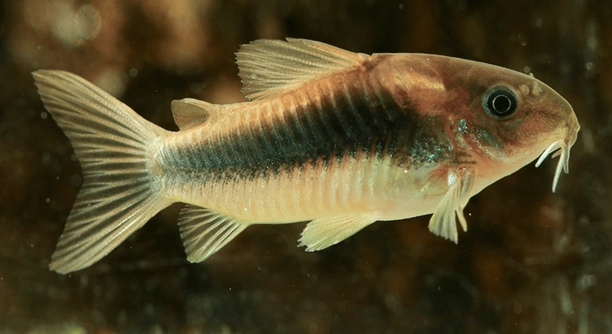
Do your Corydoras seem restless, or are you just starting out and want to create the best home for them?
The ideal tank setup for Corydoras catfish includes a soft substrate, plenty of hiding spaces, stable water parameters, and a peaceful environment. These features support their natural behavior, reduce stress, and promote healthy, active fish.
Setting up your tank the right way makes a big difference in how well your Corydoras thrive and interact daily.
Use a Soft, Sandy Substrate
Corydoras catfish have delicate barbels that help them search for food at the bottom of the tank. A soft, sandy substrate protects these sensitive whiskers from damage. Sharp gravel or rough surfaces can lead to infections and discomfort. Fine aquarium sand mimics the riverbeds they naturally inhabit and allows them to sift through it comfortably. Play sand or specialty aquarium sand both work well. Before adding sand, rinse it thoroughly to remove dust and reduce cloudiness in the water. Keeping it clean with regular maintenance is important. Uneaten food can build up in sand if it’s not stirred occasionally. Try not to overfeed, and use a siphon gently to clean it. When you use sand, you allow your Corydoras to express natural digging behavior. This helps them stay active and engaged. It also reduces stress, which plays a big role in their long-term health.
A sandy bottom makes a noticeable difference in how your Corydoras behave and interact with the tank.
Their active digging and foraging will be more visible, giving you a glimpse into their natural habits without harming their sensitive barbels.
Add Hiding Spots and Decorations
Corydoras catfish feel safer when they have shaded areas or places to retreat. Without hiding spaces, they may become skittish or inactive.
Use decorations that are smooth and fish-safe, such as driftwood, live or silk plants, and aquarium caves. These create visual breaks in the tank and offer your Corydoras privacy. Group plants in the corners or toward the back to make natural shelters. Even PVC pipes can be cut and hidden beneath decor to make tunnels. Corydoras are schooling fish, and although they are social, they also enjoy moments of calm. Hiding places support a natural rest cycle and reduce territorial stress from other tank mates. Placing decorations near the middle and back of the tank gives them safe routes to travel and explore. Avoid cluttering the tank too much, but be sure to include at least two to three secure spots per group of fish. This setup encourages healthy activity and prevents them from feeling exposed.
Maintain Stable Water Parameters
Corydoras thrive in stable conditions. Sudden changes in temperature, pH, or hardness can stress them out and lead to health issues. Aim for a temperature between 72–78°F, a pH of 6.5–7.5, and soft to moderately hard water.
Regular monitoring helps prevent problems before they start. Use a reliable test kit once or twice a week to check water quality. Perform weekly water changes of 25–30% and vacuum the substrate to remove waste buildup. Stability is more important than perfection—avoid chasing exact numbers. If your tap water is unsuitable, consider using reverse osmosis water and remineralizing it to meet their needs. Add water slowly when refilling to avoid temperature shock. Keep your filter clean but avoid over-cleaning it, as this can disrupt beneficial bacteria. A healthy nitrogen cycle will keep ammonia and nitrite at zero, with nitrates under 20 ppm.
Staying consistent with maintenance builds a stable environment. Your Corydoras will become more active, eat better, and show brighter colors when they aren’t stressed by sudden changes or poor water quality.
Choose the Right Tank Mates
Corydoras do best with calm, peaceful tank mates that won’t compete aggressively for food. Avoid fast swimmers or fin-nippers, as they can stress out your Corydoras and disrupt their routine.
Good companions include small tetras, rasboras, guppies, and peaceful dwarf gouramis. Shrimp and snails can also work well. Try to avoid larger cichlids or fish with aggressive tendencies. It’s important to choose tank mates that occupy different areas of the tank, so your Corydoras can comfortably stay near the bottom without competition. Schooling fish that stick to the middle or top create a good balance. Make sure the tank size is appropriate for the total number of fish you plan to keep, with plenty of swimming space and hiding areas for everyone. Always observe new fish for signs of aggression during the first few days. A well-matched community brings out the calm, curious nature of your Corydoras.
Keep a Group of Corydoras Together
Corydoras are social and need to be kept in groups. A minimum of six is recommended, but more is often better. When kept alone or in pairs, they become shy, stressed, and much less active.
Keeping them in a group allows them to exhibit natural behaviors like shoaling and synchronized swimming. It also helps them feel safe, leading to better health and more playful behavior. You’ll notice them exploring more and hiding less when they’re surrounded by their own kind.
Use Gentle Filtration
Corydoras prefer calm waters, so choose a filter that doesn’t create too much current. Sponge filters or adjustable flow filters are good options. Strong currents can tire them out and disturb their peaceful behavior.
Feed a Varied, Sinking Diet
Corydoras are bottom feeders, so sinking pellets, wafers, and frozen foods work best. Rotate between protein-rich and plant-based options to support a balanced diet. Occasional live foods like bloodworms can be offered for enrichment and variety.
FAQ
How often should I feed my Corydoras?
Corydoras should be fed 2–3 times a day, offering only what they can eat in a few minutes to avoid excess food polluting the tank. Make sure to use sinking food that reaches the bottom where they feed. You can feed them a mix of high-quality pellets, frozen foods, and occasional live foods like bloodworms or brine shrimp. It’s important to avoid overfeeding, as it can lead to poor water quality and health issues.
What size tank do Corydoras need?
A minimum tank size of 20 gallons is recommended for a small group of Corydoras. If you’re adding more fish or other species, consider a larger tank. Corydoras need enough space to move freely and exhibit their natural behaviors. A larger tank also helps maintain stable water parameters and reduces the chances of overcrowding.
Can I keep Corydoras with other fish?
Yes, Corydoras are peaceful and do well with a variety of calm fish species. Small tetras, guppies, and peaceful rasboras make good tank mates. Avoid aggressive fish or those that compete for food in the same area. Corydoras do best when there is minimal competition for space and food.
What is the best substrate for Corydoras?
The best substrate for Corydoras is soft, fine sand. This allows them to forage naturally without damaging their delicate barbels. Avoid gravel or any sharp materials that can injure them. You can use aquarium sand, play sand, or fine-gravel alternatives. Make sure to rinse the substrate thoroughly before adding it to the tank.
How can I tell if my Corydoras are stressed?
Stressed Corydoras may show signs like hiding more than usual, loss of appetite, or changes in behavior. They may swim erratically or stay near the top of the tank, even though they are bottom dwellers. Stress can be caused by poor water conditions, bullying from tank mates, or an unsuitable environment.
Do Corydoras need a filter?
Yes, Corydoras require a filter to maintain good water quality. However, it’s important to choose a filter with gentle water flow. Too strong a current can stress them out. Sponge filters or adjustable flow filters are ideal because they help keep the water clean without creating too much disturbance.
What temperature do Corydoras prefer?
Corydoras thrive in water temperatures between 72–78°F (22–26°C). Temperatures outside this range can cause stress and affect their health. Always monitor the temperature regularly to ensure it stays stable. Sudden temperature fluctuations should be avoided, as they can lead to illness or even death.
How do I keep the water clean for my Corydoras?
Regular water changes are essential for maintaining water quality. Perform a 25–30% water change every week. Use a siphon to clean the substrate and remove waste. Additionally, avoid overfeeding and ensure the filter is functioning properly. A consistent cleaning routine prevents the buildup of harmful toxins like ammonia and nitrites.
Can Corydoras live with shrimp?
Yes, Corydoras can live with shrimp, especially peaceful species like cherry shrimp or Amano shrimp. They usually won’t bother each other. However, larger shrimp or more aggressive species might be at risk of being harassed by the Corydoras. Keep an eye on your tank and ensure both species are comfortable.
Why do my Corydoras swim to the surface?
Corydoras may swim to the surface for several reasons, such as low oxygen levels, poor water quality, or stress. They are bottom dwellers, so excessive surface swimming is unusual. If this happens frequently, check the water parameters and consider adding an air stone or adjusting the filter to improve oxygenation.
Final Thoughts
Creating the perfect tank setup for Corydoras catfish requires attention to their specific needs, from water quality to tank mates. These fish thrive in calm, stable environments where they can freely explore and exhibit natural behaviors. Consistency in water parameters is essential to their health and well-being. Regular water changes, gentle filtration, and monitoring of temperature and pH levels will go a long way in providing the best conditions for Corydoras. By staying on top of their environment and making sure it is stable, you ensure that they remain active, healthy, and comfortable.
Corydoras are peaceful and social fish that do best in groups. A school of at least six Corydoras will allow them to feel safe and secure in their habitat. In a group, they exhibit natural behaviors, like swimming together and foraging at the bottom of the tank. When they are kept with appropriate tank mates, their natural curiosity and calm nature will make them a great addition to any aquarium. Be mindful of their environment, though. Avoid aggressive or fast-moving tank mates that might stress them out. Opt for fish that share similar temperaments to ensure harmony in the tank.
In the end, caring for Corydoras is about providing them with a stable, peaceful, and safe environment. They are low-maintenance fish, but their health depends on good water quality and proper care. With the right setup, they will thrive and bring an extra touch of activity and charm to your aquarium. By paying attention to their needs and making adjustments where necessary, you can create an ideal home for Corydoras. Their playful nature and easygoing temperament will make them a rewarding species to keep in your tank.

Hello,
If you enjoy the content that we create, please consider saying a "Thank You!" by leaving a tip.
Every little bit helps us continue crafting quality advice that supports the health, happiness, and well-being of pets around the world, for pets of all shapes, sizes, and species.
We really appreciate the kindness and support that you show us!