
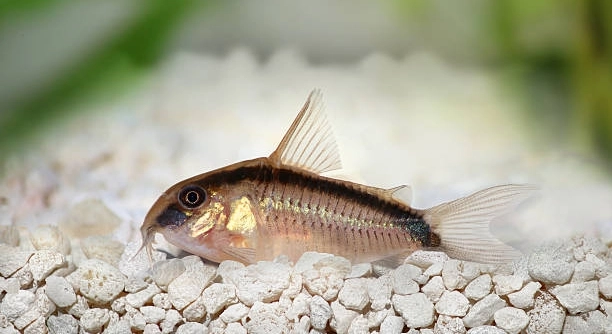
Corydoras catfish are popular aquarium pets, known for their playful and peaceful nature. However, when stressed, they can show signs that something is wrong. Understanding these signs can help ensure your fish stays healthy and happy.
Stress in Corydoras catfish often manifests through behavior changes, poor appetite, and physical symptoms. Identifying these signs early on allows for timely intervention, improving the overall well-being of your fish and maintaining a healthy aquarium environment.
Knowing how to spot stress signals is crucial for keeping your Corydoras happy. This guide will help you identify what to look for and how to reduce stress in your aquarium.
1. Changes in Behavior
Stress often shows up in the behavior of Corydoras catfish. These fish are typically active, swimming around and exploring their environment. However, when stressed, they might become sluggish and less responsive to stimuli. They may also hide more than usual, seeking refuge in dark corners or under decorations. If you notice that your Corydoras is not swimming around or exploring like they normally would, it could be a sign of stress. Another common behavior change is erratic swimming. Instead of gliding smoothly, they may dart back and forth, acting nervously.
When a fish behaves differently than usual, it’s important to assess the environment. Factors such as water quality and tank mates can significantly affect their comfort. Ensuring your tank is clean and safe is the first step in helping them feel at ease.
By observing these behavioral shifts, you can catch stress early. Keeping track of your fish’s usual habits and comparing them to any recent changes can help determine when stress might be an issue.
2. Loss of Appetite
Stress can cause Corydoras catfish to lose their appetite. A healthy fish will actively seek food, but stress can make them disinterested in eating. This might lead to weight loss and weakened health over time.
Changes in diet, water parameters, or even the introduction of new fish can make them uneasy, which affects their feeding habits. If your Corydoras is avoiding food, the issue could be stress. Keeping a close eye on feeding times and checking for any patterns in their behavior can help identify stress earlier.
Fish that don’t eat properly are more vulnerable to illness. It’s crucial to address their discomfort by ensuring a stress-free environment. Consider making adjustments to your aquarium setup to encourage feeding and provide a more stable, secure home for your fish.
3. Faded or Discolored Skin
Stressed Corydoras can show physical signs like faded or discolored skin. Their natural colors may dull, and they might even develop dark spots or patches. If your fish looks paler than usual or has uneven coloring, it could be a sign of stress.
This change in appearance is often linked to poor water quality, temperature changes, or an overcrowded tank. Fish that are stressed may produce excess mucus, which can make their skin appear cloudy or grayish. The loss of vibrant color is often a result of these physical conditions.
Maintaining stable water conditions is essential for keeping their color intact. Test water parameters regularly and ensure the tank is not overcrowded. When stressed, Corydoras may also lose their appetite and energy, further contributing to skin discoloration. Monitoring their environment and addressing potential stress factors will help restore their health and appearance.
4. Gasping at the Surface
When Corydoras catfish are stressed, they might start gasping at the surface of the tank. This is often a sign that the water is lacking oxygen or the fish are struggling to breathe properly.
Low oxygen levels or poor water circulation can prevent proper gill function, causing Corydoras to swim toward the surface to gulp air. This behavior is more common during high temperatures or when water conditions deteriorate. If your fish are frequently seen near the surface, it’s a strong indicator that something is wrong with the tank’s environment.
To fix this, make sure your tank has proper aeration and filtration. Adding an air stone or increasing water flow can improve oxygen levels. Regular water changes are also vital for keeping the water clean and oxygen-rich, which will help reduce stress on your Corydoras.
5. Excessive Hiding
Corydoras are naturally peaceful and social fish. When they become stressed, they may spend more time hiding. If your fish suddenly seeks out secluded spots and avoids swimming with the rest of the tank, it might be a sign of stress.
Excessive hiding can be caused by overcrowding, aggression from tank mates, or fluctuating water conditions. Corydoras feel more comfortable when they have enough space to move around freely. Stress may also make them more vulnerable to illness, which can lead to further hiding as they try to avoid potential threats.
Check the tank’s layout and ensure there are plenty of hiding places for all your fish. Adding plants or decorations can help your Corydoras feel secure. Keeping stress factors in check will encourage your fish to interact more and come out from their hiding spots.
6. Rapid or Erratic Swimming
When Corydoras are stressed, they may display rapid or erratic swimming patterns. This could include darting back and forth, swimming in circles, or moving frantically without a clear direction. This behavior is often a response to feeling threatened or uncomfortable in their environment.
The water temperature, water quality, or even tank size may be the cause. Rapid swimming is usually a sign of anxiety, as the fish is trying to escape or cope with stressful conditions. It’s also possible that aggression from other fish is triggering this erratic behavior.
To reduce this type of stress, check the water temperature and parameters, and consider adding more hiding spaces or rearranging the tank. Keeping the tank calm and peaceful can help reduce this frantic swimming and return your Corydoras to their usual behavior.
7. Clamped Fins
Clamped fins are another clear sign of stress in Corydoras catfish. When stressed, their fins may stick close to their body, rather than being spread out in a relaxed manner. This behavior can be a result of poor water quality, injuries, or changes in their environment.
Clamped fins are often associated with discomfort, signaling that your fish may be struggling to adapt to their surroundings. Stress can weaken their immune system, making them more susceptible to infections and disease. When fins are clamped, it’s crucial to address the underlying cause of stress to prevent further complications.
FAQ
What causes stress in Corydoras catfish?
Stress in Corydoras catfish can be caused by a variety of factors. Poor water quality is one of the most common reasons. High levels of ammonia, nitrites, or nitrates can harm the fish and make them feel unsafe. Temperature fluctuations are also a big stressor, as Corydoras prefer stable water temperatures. Overcrowding, aggressive tank mates, and changes in the environment, such as moving decorations or introducing new fish, can also cause stress. Keeping the tank clean and ensuring the fish have enough space to swim can help prevent this.
How can I reduce stress for my Corydoras catfish?
Reducing stress for your Corydoras starts with ensuring stable water conditions. Regular water changes and using a reliable filtration system are key to maintaining clean water. Make sure the temperature stays within the recommended range for Corydoras (around 72–78°F). Avoid overcrowding and provide plenty of hiding places with plants and decorations. Adding peaceful tank mates can help as well, as Corydoras are social fish that do better in calm, low-stress environments.
Can water temperature changes cause stress in Corydoras?
Yes, Corydoras catfish are highly sensitive to temperature changes. If the water temperature fluctuates too much, they can become stressed. Corydoras prefer a stable environment, so sudden changes in temperature, whether from a heater malfunction or rapid shifts between day and night, can negatively impact their health. Keeping a consistent temperature within the recommended range (72–78°F) will help your fish feel more secure and reduce stress.
What should I do if my Corydoras is gasping at the surface?
If your Corydoras catfish is gasping at the surface, this usually indicates a lack of oxygen in the water. You can increase oxygen levels by adding an air stone or improving water circulation. Ensure your filtration system is working properly and the water is well-oxygenated. It’s also important to check water parameters, as poor water quality can contribute to low oxygen levels. Regular water changes and maintaining a clean tank will help prevent this issue.
How often should I change the water in my Corydoras tank?
Water changes are essential for maintaining a healthy environment for your Corydoras. It’s recommended to change about 25–30% of the water every week. This helps to keep ammonia and nitrate levels in check, ensuring that the water stays clean and free of harmful toxins. In between water changes, make sure to monitor the water quality regularly using test kits to check for any imbalances. This will help you catch any issues early before they stress your fish.
Is it normal for Corydoras to hide?
Corydoras are naturally shy and like to have places to hide. However, if your fish are hiding more than usual, it could be a sign of stress. Stressors like aggressive tank mates, poor water quality, or sudden changes in the environment can cause them to retreat. To make your Corydoras feel more secure, provide plenty of hiding spots with plants, caves, or decorations. Ensure the water quality and temperature are stable to reduce stress and encourage them to feel comfortable swimming around.
Can Corydoras get along with other fish?
Yes, Corydoras are generally peaceful fish and get along well with other species, especially other non-aggressive, peaceful fish. However, they should not be kept with aggressive or territorial species that may stress them out. It’s important to select tank mates that won’t compete for food or space. Corydoras do well with small fish like guppies, tetras, and rasboras. Just make sure the tank is large enough to accommodate all the fish comfortably.
What is the ideal tank size for Corydoras catfish?
The ideal tank size for Corydoras catfish depends on how many fish you have. A minimum of 20 gallons is recommended for a small group of Corydoras, but larger tanks are even better. A larger tank provides more space to swim and reduces the risk of overcrowding, which can lead to stress. A bigger tank also allows you to maintain better water quality, which is crucial for their health. Corydoras prefer to live in groups, so ensure there is enough room for several fish to move around freely.
Why is my Corydoras not eating?
If your Corydoras is not eating, stress could be the cause. Changes in water conditions, tank mates, or food offerings can lead to a loss of appetite. Corydoras are bottom feeders and might prefer sinking pellets or live food, so if you’re offering food that doesn’t reach the bottom, they may not be interested. Ensure the water temperature is stable and that the water quality is optimal. If your Corydoras isn’t eating for more than a few days, it could also be a sign of illness, so keep a close eye on their behavior.
Can Corydoras catfish live alone?
Corydoras are social fish and prefer to be in groups. Keeping just one Corydoras can lead to stress, as they feel safer when surrounded by others of their kind. A small group of 3–6 fish is recommended. Without companions, your Corydoras may become more reclusive, stressed, and even more vulnerable to illness. If you only have one, consider adding a few more to create a comfortable, secure environment.
Final Thoughts
Corydoras catfish are wonderful aquarium fish, known for their peaceful nature and playful behavior. However, like any pet, they can experience stress that affects their health and well-being. By paying attention to the signs of stress, such as changes in behavior, loss of appetite, and physical changes like discolored skin, you can address the issue before it becomes more serious. Early identification and action are key to maintaining a healthy and happy tank for your Corydoras.
To prevent stress in Corydoras, it’s important to maintain a stable and clean environment. Regular water changes, proper filtration, and maintaining the right temperature are all essential for keeping the tank conditions ideal. Overcrowding should be avoided, as it can make the fish feel trapped and lead to aggressive behavior from other tank mates. Offering enough hiding spots and keeping peaceful fish can help your Corydoras feel secure and reduce stress. Remember that they are social fish, so it’s best to keep them in groups of at least three to six individuals.
Ultimately, the health and happiness of your Corydoras depend on the environment you provide. By keeping a close eye on their behavior and making necessary adjustments, you can ensure they live a long and stress-free life. Whether you’re a first-time fishkeeper or an experienced hobbyist, taking the time to understand and meet the needs of your Corydoras will lead to a thriving aquarium.

Hello,
If you enjoy the content that we create, please consider saying a "Thank You!" by leaving a tip.
Every little bit helps us continue crafting quality advice that supports the health, happiness, and well-being of pets around the world, for pets of all shapes, sizes, and species.
We really appreciate the kindness and support that you show us!