
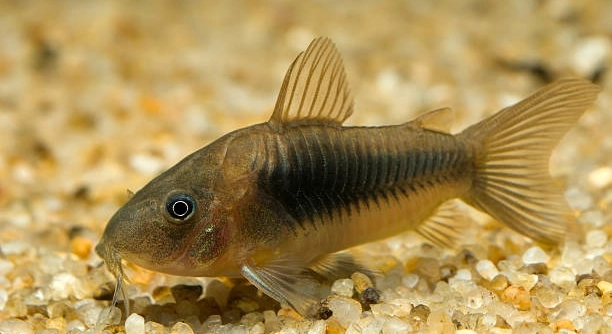
Corydoras catfish are fascinating and charming aquarium residents. These small, peaceful fish thrive in well-maintained habitats, and providing them with the best environment is key to their health and happiness. Creating a perfect setup can be simple yet rewarding.
Enhancing the habitat for your Corydoras catfish involves ensuring proper water conditions, adding suitable substrate, and including hiding spots. You should also focus on water filtration and quality, along with appropriate tank mates for a balanced ecosystem.
Taking these steps will significantly improve the well-being of your Corydoras catfish. Setting up their ideal home ensures they stay active, stress-free, and healthy for years to come.
Proper Water Conditions
Corydoras catfish thrive in stable, clean water. The ideal temperature for them is between 72°F and 78°F, with soft, slightly acidic to neutral water. Keeping the pH level between 6.0 and 7.5 is best for these fish. Regular water changes are important to prevent the build-up of waste and toxins, which can affect their health. A good filtration system is essential, but make sure the filter’s flow is gentle, as Corydoras prefer calm waters.
You should monitor the water conditions frequently to ensure they remain consistent. Testing the water with a reliable kit is the best way to stay on top of things. Maintaining a clean environment will prevent many common issues like algae growth and stress-related behaviors in your fish.
Having the right water conditions doesn’t only help Corydoras catfish stay healthy, but it also makes them feel comfortable in their home. Keeping these parameters in check can reduce the risk of illness and improve their overall quality of life. A stable environment is key to their happiness and longevity.
Suitable Substrate for Corydoras
Corydoras catfish like soft, fine-gravel or sand substrates. Their sensitive barbels are easily damaged by rough or sharp surfaces. It’s important to choose substrate that won’t harm their delicate skin and barbels while allowing them to comfortably burrow and forage.
Providing the right substrate encourages natural behaviors, like scavenging for food, which keeps them active and engaged. It also helps them feel secure and less stressed in their habitat. Ensure that the substrate is deep enough for them to move around and find hiding spots, allowing them to be their natural, playful selves.
Hiding Spots and Tank Decorations
Corydoras catfish feel safer when they have places to hide. Adding plants, rocks, or decorations that provide shelter allows them to escape from stress or light and feel secure. They will often seek out these hiding spots, especially when they’re not feeling completely comfortable.
Live plants such as java fern or anubias can work well, along with smooth rocks or driftwood. Be sure to avoid sharp or rough decorations, as these could damage their sensitive skin and barbels. A well-decorated tank will also add visual appeal, mimicking their natural environment and promoting healthy behavior.
If your Corydoras feel secure in their environment, they’re more likely to exhibit natural behaviors like foraging and schooling. Without hiding spots, they may feel vulnerable and stressed, which can lead to a decline in health. The right decor will encourage more activity and help keep them calm.
Tank Mates for Corydoras Catfish
Corydoras catfish are peaceful fish, and they do well in tanks with other non-aggressive species. Avoid housing them with aggressive fish that could stress them out or pose a threat. Best tank mates are small, peaceful fish such as tetras, rasboras, or guppies.
When selecting tank mates, always consider their size and temperament. Corydoras are bottom dwellers, so make sure other fish don’t compete for their space. A peaceful, balanced community tank will create a low-stress environment where Corydoras can thrive. Be mindful of their need for a calm, harmonious atmosphere.
While choosing compatible tank mates, it’s essential to ensure that they won’t disturb Corydoras while feeding or swimming. Corydoras often stay near the substrate, and more active fish can outcompete them for food if not managed properly. With the right companions, your Corydoras will flourish and interact well in the aquarium.
Water Filtration and Aeration
A good filtration system is essential for Corydoras catfish. They need clean, oxygenated water to thrive, and a reliable filter helps remove waste and toxins. Make sure the filter provides gentle water movement, as strong currents can stress them out.
Aeration is also crucial. While Corydoras can tolerate lower oxygen levels, a well-aerated tank will ensure they have enough oxygen to stay healthy. An air stone or sponge filter can help provide the necessary aeration without creating strong water flow that would upset their environment.
Proper Feeding for Corydoras Catfish
Corydoras catfish are bottom feeders, so their food needs to sink. Feed them sinking pellets, wafers, or live foods like worms or shrimp. They can also enjoy blanched vegetables like zucchini or peas.
Ensure they get enough food without overfeeding. Corydoras will eat almost anything that sinks, but be mindful of the portion size to avoid polluting the tank. Regular feeding routines can help maintain their health and prevent digestive issues.
Regular Maintenance and Water Changes
Corydoras catfish prefer clean, stable environments. Regular water changes are key to keeping their habitat in top condition. Aim to change 20-30% of the water each week to maintain water quality.
Regular maintenance, like cleaning the substrate and checking the filter, will help prevent the build-up of waste and toxins. Make sure the water temperature and pH are consistent to avoid stressing your fish. This ongoing care is essential to keeping your Corydoras happy and healthy.
FAQ
How often should I feed my Corydoras catfish?
Corydoras catfish are bottom feeders and can be fed once or twice a day. They’re not heavy eaters, so make sure to provide small amounts of food that they can finish in 3-5 minutes. Overfeeding can cause water quality issues, which is especially harmful to their sensitive health. You can provide sinking pellets, wafers, or live foods such as brine shrimp or bloodworms. Occasionally offering blanched vegetables like zucchini or peas will give them variety in their diet.
Can Corydoras live with other fish?
Yes, Corydoras catfish are peaceful and get along well with many other species. They’re bottom dwellers and typically do best in community tanks with small, non-aggressive fish like tetras, guppies, or rasboras. Be cautious when adding tank mates, as aggressive or large fish may stress them or compete for food. Corydoras prefer calm, peaceful environments, so avoid fish with high energy or fast movements that could cause stress.
Do Corydoras need a tank with a lot of space?
Corydoras catfish don’t require massive tanks, but they do need enough space to swim and forage. A tank size of 20 gallons or more is recommended, especially if you’re keeping more than one catfish. Corydoras are social creatures and prefer to live in groups of at least three or more, so a larger tank ensures they have enough room to interact and explore. Having space for hiding spots, plants, and other decorations is also important for their well-being.
What kind of substrate is best for Corydoras?
Corydoras catfish have sensitive barbels and prefer soft, fine substrates like sand or smooth gravel. Rough or sharp substrates can cause injury to their barbels, leading to infections or other health issues. A fine, soft substrate also allows them to dig and scavenge naturally, which is important for their physical and mental stimulation. If you choose sand, make sure it’s not too fine to prevent it from compacting, as it could lead to issues with water quality.
How do I maintain the water quality for my Corydoras?
Maintaining water quality for Corydoras is essential. They thrive in soft, slightly acidic to neutral water. Regular water changes of 20-30% every week are crucial to keep toxins like ammonia and nitrates at safe levels. Use a reliable filter to help remove debris and waste, but ensure the flow isn’t too strong as Corydoras prefer calm waters. Test the water regularly for parameters like pH, temperature, and hardness. If the water quality is poor, Corydoras can become stressed, which can lead to health problems.
Can Corydoras live in cold water tanks?
Corydoras are not cold-water fish. They prefer temperatures between 72°F and 78°F (22°C to 26°C). While they can tolerate a range of temperatures, anything outside of this range can cause stress, weaken their immune system, and reduce their lifespan. Keeping the tank at a consistent temperature within this range is vital for their well-being. A heater is recommended if you live in a cooler climate to maintain stable water conditions.
How do I know if my Corydoras is stressed?
Stressed Corydoras will exhibit behaviors such as hiding excessively, staying in one spot, or becoming less active. They may also display signs like darting around the tank or appearing to “flick” their bodies against surfaces. If you notice these signs, check the water conditions immediately, as poor water quality is often the cause. Also, ensure there are no aggressive tank mates or environmental factors, like excessive light or strong currents, that could be stressing them out.
Do Corydoras need a filter in their tank?
Yes, Corydoras require a filter to maintain clean, oxygenated water. A filter helps remove waste, uneaten food, and harmful chemicals from the tank, which is essential for their health. However, it’s important to choose a filter with gentle water flow, as Corydoras don’t like strong currents. Sponge filters or filters with adjustable flow rates are ideal for their needs. Regularly clean and maintain your filter to ensure it works properly and keeps the tank water in good condition.
Can Corydoras catfish be kept alone?
Corydoras are social fish and do best when kept in groups. They feel safer and more comfortable when they have tank mates of their own species. Keeping them in small groups of at least three will help reduce stress and encourage natural behaviors like schooling and foraging. While a single Corydoras can survive, it will likely feel more vulnerable and may not thrive in the long term. If you only have space for one, consider adding another peaceful species to keep it company.
How do I handle water temperature fluctuations for Corydoras?
Corydoras catfish are sensitive to temperature changes, so sudden fluctuations should be avoided. Keeping the water temperature within their ideal range of 72°F to 78°F is crucial. If the temperature in your tank drops too low or gets too high, it could lead to stress or illness. Using an aquarium heater with a thermostat will help maintain a consistent temperature. Avoid placing the tank near windows, doors, or air conditioning units, where temperature changes can occur frequently.
What is the best way to clean my Corydoras tank?
Cleaning a Corydoras tank requires regular maintenance to ensure a healthy environment. Remove uneaten food, vacuum the substrate to remove waste, and clean the filter regularly. Be careful when cleaning decorations or rocks, as Corydoras need plenty of hiding spots. Change 20-30% of the water weekly to maintain water quality. Always use dechlorinated water when performing water changes, and avoid cleaning everything at once, as this can upset the tank’s balance.
Final Thoughts
Creating the right environment for your Corydoras catfish is essential to their health and well-being. These fish may be small, but they have specific needs that must be met to ensure they stay happy and thrive. Proper water conditions, suitable substrate, and appropriate tank mates are the foundation for a successful aquarium. Keeping these factors in mind will make caring for Corydoras easier and more rewarding.
In addition to meeting their physical needs, it’s important to pay attention to their behavior. Corydoras are social creatures that feel most comfortable when they have space to explore and hide. They thrive in tanks with hiding spots and decorations that mimic their natural habitat. Avoid overstocking the tank, as overcrowding can lead to stress and unhealthy competition for food and space. Giving them a peaceful and secure environment allows them to exhibit natural behaviors, which improves their overall quality of life.
Lastly, regular tank maintenance is key to ensuring that your Corydoras catfish live long and healthy lives. Water changes, cleaning the substrate, and checking filtration systems will all help maintain the stability of their environment. Corydoras are resilient fish, but they still depend on your care to stay healthy. By staying consistent with their tank setup and care routine, you’ll have the pleasure of watching your Corydoras catfish thrive in their beautiful home for years to come.

Hello,
If you enjoy the content that we create, please consider saying a "Thank You!" by leaving a tip.
Every little bit helps us continue crafting quality advice that supports the health, happiness, and well-being of pets around the world, for pets of all shapes, sizes, and species.
We really appreciate the kindness and support that you show us!