
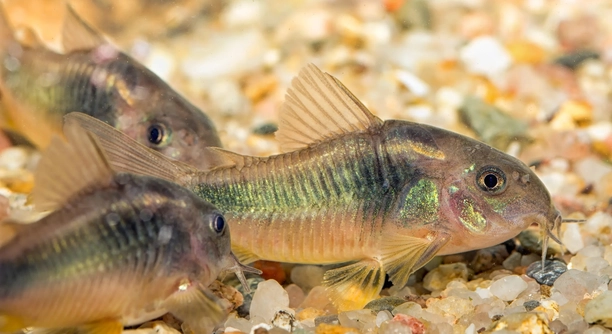
Are your Corydoras catfish looking a little uneasy after moving into their new home? You’re not alone in noticing this change. Many fishkeepers struggle to keep their Corys happy during this adjustment period.
The best way to help your Corydoras catfish survive in a new tank is by creating a stable environment with proper water parameters, slow acclimation, gentle filtration, and peaceful tank mates that support their sensitive nature.
Providing the right conditions from the beginning can make a big difference in their well-being and behavior as they adjust.
Start with a Proper Acclimation Process
When you bring your Corydoras catfish home, it’s important not to rush the acclimation process. These fish are sensitive to sudden changes in water chemistry, especially pH and temperature. Start by floating the bag in the tank for 15–20 minutes to match the water temperature. Next, slowly add small amounts of tank water into the bag over 30–45 minutes. This helps them gradually adjust to the new conditions. Avoid pouring the water from the bag into the tank, as it might contain waste or contaminants. Once they’re ready, gently transfer them into the aquarium using a net. This slow and calm method reduces stress and supports a safer transition into their new environment. Skipping this step or doing it too quickly can lead to shock or illness. Corydoras are delicate and do best when they’re eased into their new home without abrupt changes or pressure.
Acclimation helps reduce stress, prevent illness, and improves survival rates. It also gives your Corydoras time to adjust without harm.
Proper acclimation sets the tone for their health in the new tank. By slowing things down and giving your fish time to adapt, you lower their chances of getting sick. This small step can lead to long-term benefits.
Keep the Water Conditions Consistent
Corydoras need stable and clean water to stay healthy. Fluctuations in ammonia, nitrites, or nitrates can harm them quickly.
These fish thrive in freshwater tanks that are well-cycled and free of harmful spikes. Make sure to test the water regularly and keep parameters stable. The temperature should stay between 72–78°F, and pH between 6.5–7.5. Weekly partial water changes help remove toxins and maintain quality. Use a gentle filter that doesn’t stir up too much current, as Corys prefer calm, smooth waters. It’s also helpful to include live plants or hiding spots that allow them to rest. Stability in water conditions is more important than having perfect numbers. Corydoras are bottom dwellers and will feel the effects of waste or uneaten food faster than fish that live in other parts of the tank. Cleaning the substrate often and avoiding overfeeding are also important steps. When the water is steady, your fish will stay more active, social, and alert.
Add Hiding Spots and Soft Substrate
Corydoras feel safer when they have places to hide. Adding caves, plants, or decorations helps them avoid stress and stay calm. They also enjoy shaded areas, especially when they’re getting used to a new tank setup.
Soft substrate is important because Corydoras have delicate barbels they use to search for food along the bottom. Rough gravel can cause injury or infection over time. Sand is the best choice, as it’s gentle and allows them to sift through it easily. You might also see more natural behaviors when soft substrate is used. Corys like to bury their faces while searching for food, and sand lets them do this without harm. If you already have gravel, consider switching it out or adding a top layer of fine sand. It’s a small change that can make a big difference in their comfort and health.
Hiding spaces also help with territorial issues. Even peaceful fish can become territorial if the tank is too open or crowded. When Corydoras have access to hiding places, it gives them the option to retreat and feel secure without being chased or disturbed. They tend to settle in faster and become more social when they have private spots to rest.
Choose the Right Tank Mates
Corydoras are peaceful and do best with fish that match their calm nature. Avoid aggressive species or anything large enough to eat them. Stick with smaller, gentle fish like tetras, rasboras, and guppies.
The wrong tank mates can make Corydoras hide more or stop eating. If chased or stressed, they might become inactive and more likely to get sick. Look for fish that stay in the upper or mid-levels of the tank to avoid crowding the bottom where Corydoras spend their time. Shrimp and snails can also make good companions if your water conditions are balanced. Avoid cichlids and fin-nippers, as these can cause constant stress. Watch for any signs of aggression in the tank and be ready to separate fish if needed. Choosing peaceful tank mates keeps your Corydoras comfortable, healthy, and more likely to display natural, active behavior on a daily basis.
Feed Them a Proper Diet
Corydoras need more than just flakes. Offer sinking pellets, frozen bloodworms, and blanched vegetables like zucchini. Feeding them a variety keeps them healthy and prevents boredom with their meals.
Feed them once or twice a day, giving only what they can finish in a few minutes. Overfeeding leads to water issues.
Maintain a Gentle Flow in the Tank
Corydoras prefer calm water with a light current. A strong filter flow can stress them out or push them around. Use a sponge filter or adjust your current filter’s output to create a gentler flow across the tank. If your filter is too strong, aim the outflow toward the glass or use a pre-filter sponge to soften the stream. You can also place decorations or plants to help break up the flow. Corydoras will often swim into mild currents to play or rest, but they avoid rough water. Calm conditions help them explore more comfortably and stay active.
Keep the Lights Low
Bright lighting can make Corydoras feel exposed and anxious. Use dim lighting or floating plants to soften the brightness and give them shaded areas. This helps reduce stress, especially in a new environment.
FAQ
How long does it take for Corydoras to adjust to a new tank?
Most Corydoras take about one to two weeks to fully adjust to a new tank. During this time, they may be shy, less active, or hide more often than usual. Giving them space, proper hiding spots, and stable water conditions will help them feel safe. Avoid making any big changes during this time, like adding new fish or switching out decorations. Let them settle in slowly and observe their behavior. Once they begin exploring, swimming in groups, and feeding regularly, it’s a good sign they’re feeling more comfortable.
Can Corydoras live alone or do they need to be in groups?
Corydoras are schooling fish and should always be kept in groups. A minimum of six is recommended, but more is even better. When kept alone or in pairs, they tend to be inactive, nervous, or hide constantly. In groups, they show natural behaviors like foraging together and swimming in sync. This also helps reduce stress. Even in small tanks, it’s best to prioritize a group over adding many different species. Corydoras feel safer and more confident when surrounded by their own kind, and this has a direct impact on their health and survival.
What size tank is best for Corydoras?
The ideal tank size depends on the species, but generally, a 20-gallon long tank is a good start for a small group. Some dwarf varieties can live in a 10-gallon, but space is always better. A longer tank gives them more bottom area to explore, which suits their active nature. Avoid tall tanks with small floor space. If you want to keep larger species or bigger groups, go for a 30-gallon or more. Also, make sure the tank has a secure lid—Corydoras sometimes swim up quickly and may jump if startled.
Why are my Corydoras not eating in the new tank?
It’s normal for Corydoras to lose their appetite when adjusting to a new environment. Stress, unfamiliar surroundings, and changes in water parameters can all affect their interest in food. Give them a few days and try offering different sinking foods like wafers, frozen bloodworms, or boiled vegetables. Feed at the same time each day and remove uneaten food after 15–20 minutes. If they’re still not eating after several days, check your water quality. Poor conditions can suppress appetite. Once they feel safe and conditions are right, their eating habits usually return to normal.
Do Corydoras need a heater in their tank?
Yes, in most cases they do. Corydoras are tropical fish, and they do best in temperatures between 72–78°F. If your room temperature regularly drops below this range, a heater is necessary to maintain consistency. Sudden drops in temperature can stress them and lead to illness. Even if your house is warm during the day, it might get cooler at night. A reliable, adjustable heater ensures the temperature stays within a safe range. Always use a thermometer to monitor it, and place the heater near the water flow so heat distributes evenly across the tank.
Can I keep Corydoras in a bare-bottom tank?
You can, but it’s not ideal. Corydoras naturally sift through the substrate with their barbels, and a bare-bottom tank removes that behavior. It also increases the chance of their barbels wearing down or getting injured. If you need to use a bare-bottom setup, make sure the surface is smooth and clean it often. Sand or soft substrate is always better. It gives them comfort, supports their instincts, and improves their overall health. If you’re concerned about cleaning, consider a thin layer of fine sand that’s easy to maintain with regular siphoning.
Final Thoughts
Helping your Corydoras catfish settle into a new tank takes a bit of time and care, but it’s worth it. These fish are peaceful, active, and fun to watch once they feel safe. A calm environment with soft substrate, clean water, and quiet tank mates can make a big difference. They may seem shy at first, but with the right setup, they will become more social and active. Just remember that everything doesn’t have to be perfect from the start. What matters most is giving them a space where they can feel calm and explore without stress.
Corydoras are sensitive to changes, so it’s important to avoid sudden shifts in temperature, water quality, or tank layout. They do best when things stay consistent. A few small adjustments, like using a sponge filter or adding more hiding spots, can really help them settle in. Feeding them the right foods and avoiding overfeeding also supports their health. It’s easy to overlook things like substrate or water flow, but those details matter. Even lighting plays a role in how secure they feel. A dim tank with shaded areas can make them more likely to come out and explore, especially during the day.
Once your Corydoras feel at home, you’ll notice how active and curious they can be. They’ll search the bottom for food, swim together in groups, and rest in hidden spots. These small signs show they’re doing well. Taking the time to set up the tank properly from the beginning can help prevent problems later. It’s also easier to enjoy your aquarium when the fish are healthy and relaxed. Whether you’re new to keeping fish or have experience, giving your Corydoras the right care early on can lead to a peaceful and balanced tank. When their needs are met, they become a gentle and charming part of your setup.

Hello,
If you enjoy the content that we create, please consider saying a "Thank You!" by leaving a tip.
Every little bit helps us continue crafting quality advice that supports the health, happiness, and well-being of pets around the world, for pets of all shapes, sizes, and species.
We really appreciate the kindness and support that you show us!