
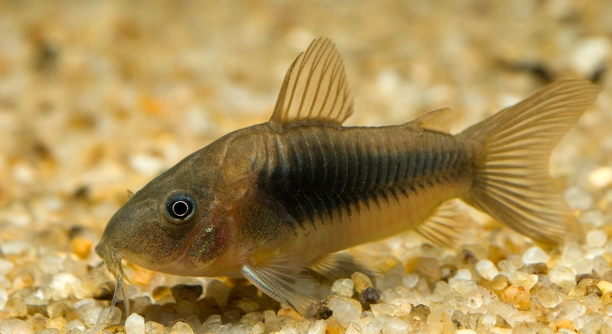
Corydoras catfish are peaceful and popular aquarium fish, but ensuring they thrive alongside other species can require some planning. Pairing them with the right tankmates helps maintain harmony and supports their well-being.
The best way to ensure your Corydoras thrive with other peaceful fish is to maintain proper tank conditions, avoid aggressive species, and ensure there is ample space for all fish to swim comfortably. Regular maintenance and monitoring are also essential.
By carefully selecting tankmates and adjusting the environment, Corydoras can flourish alongside other peaceful fish. This approach fosters a balanced, stress-free aquarium.
Tank Size and Environment
Corydoras catfish need enough space to swim and feel comfortable. A tank that is too small will cause stress and hinder their growth. A 20-gallon tank is a good starting point for a small group of Corydoras. Be sure to provide hiding spots and decorations for them to explore. These fish prefer a soft substrate, like fine sand, to avoid damaging their delicate barbels. Ensure that the water quality remains high, with consistent filtration and regular water changes. The temperature should be kept between 72°F and 78°F (22°C to 26°C) to keep your Corydoras happy and healthy.
A well-sized tank helps maintain peace, as overcrowding can lead to stress.
Peaceful fish thrive when there’s plenty of space to swim. Overcrowding creates stress, increasing the likelihood of conflicts. Corydoras feel more secure when they can move around freely, and a proper environment ensures they aren’t competing for limited resources.
Choosing Peaceful Tankmates
Selecting the right tankmates for Corydoras is essential for a peaceful environment. Avoid any species that could pose a threat to them, like large, aggressive fish. Ideal companions are peaceful, non-territorial species such as tetras, rasboras, or other catfish. Corydoras also do well with smaller, slower-moving fish. Be sure to choose fish that won’t crowd them or compete for food. Corydoras are bottom dwellers, so avoid fish that might claim their territory. The goal is to find species that get along well with the calm, social nature of Corydoras.
Peaceful tankmates support Corydoras’ overall well-being.
Finding fish that can live in harmony with Corydoras is simple if you keep their temperament in mind. Peaceful species encourage a balanced environment and allow your Corydoras to remain stress-free and active.
Water Conditions
Corydoras require stable water parameters to thrive. Maintain a pH between 6.5 and 7.5, with soft to moderately hard water. Keep the water temperature within the ideal range of 72°F to 78°F (22°C to 26°C). Regular water changes will help ensure the environment remains clean and healthy.
Corydoras are sensitive to water quality. Poor water conditions can lead to stress and illness. Regularly check the water parameters, especially ammonia, nitrite, and nitrate levels. Perform weekly water changes to prevent harmful build-ups and keep the fish’s habitat safe. A reliable filtration system also helps maintain water clarity.
Maintaining good water quality ensures a peaceful environment for your Corydoras and their tankmates. Clean water helps prevent health issues and keeps the fish active. Proper filtration and regular maintenance are key to sustaining the tank’s stability and promoting the well-being of all fish in the tank.
Feeding and Diet
Corydoras are opportunistic feeders, so it’s important to provide a balanced diet. They enjoy sinking pellets, algae wafers, and occasional live or frozen food like bloodworms or brine shrimp. Ensure the food is suitable for bottom dwellers, as Corydoras often feed near the substrate.
A varied diet is essential for Corydoras to stay healthy. It’s important to feed them once or twice a day, using a mix of dry and fresh foods. Ensure the food sinks to the bottom so Corydoras can access it. Leftover food should be removed after a few hours to prevent water contamination. Overfeeding can cause water quality issues, so portion control is key.
Offering a balanced diet contributes to the fish’s overall health. Providing food that reaches the substrate will allow them to act naturally, foraging and interacting with their environment. When properly fed, Corydoras are more likely to thrive in your aquarium.
Aquarium Decorations
Corydoras enjoy having hiding spots in their tank. Adding plants, driftwood, and rocks provides them with safe areas to rest. Be sure the decorations are smooth, as sharp edges can damage their delicate barbels.
Creating a natural, secure environment is important. Corydoras thrive in tanks that mimic their natural habitat, with plenty of hiding spaces. Decorations that provide shelter help reduce stress, giving Corydoras areas to retreat when needed.
Tank Maintenance
Regular maintenance is crucial for a healthy tank. Clean the filter, check water quality, and remove debris to maintain a stable environment. Don’t forget to check the condition of the substrate to avoid build-ups of waste.
Keeping up with maintenance prevents water quality issues and ensures a comfortable environment. Regular checks will help spot problems before they affect your Corydoras and other fish. It’s essential to stay consistent with cleaning to avoid creating an unstable tank environment.
Lighting
Corydoras prefer dim lighting, which helps them feel secure. Bright lights can stress them out, so use a gentle, subdued light to maintain a calm atmosphere.
Lower light levels mimic the natural environment of Corydoras. They are more active and relaxed in tanks with subdued lighting, which reduces stress. Consider using a timer to regulate light cycles and keep your tank’s environment stable.
FAQ
What is the best tank size for Corydoras?
Corydoras do well in tanks as small as 20 gallons for a small group. However, the more space you provide, the better. A larger tank helps reduce stress, allowing them to swim freely. A larger setup also makes maintaining water quality easier, as it dilutes harmful substances like ammonia and nitrites.
Can Corydoras live with shrimp?
Yes, Corydoras can live with shrimp. They are peaceful and typically ignore small shrimp species, like cherry shrimp or ghost shrimp. However, avoid keeping them with larger shrimp species that could potentially intimidate or harm the Corydoras. The key is selecting small, non-aggressive shrimp that won’t disrupt the Corydoras’ environment.
Do Corydoras need a specific type of substrate?
Corydoras prefer fine sand or smooth gravel for substrate. Their barbels are delicate, and sharp or rough substrate can cause injury. A soft substrate allows them to forage naturally, sifting through the sand to find food. It also helps in maintaining a cleaner tank, as debris is less likely to get trapped in smooth surfaces.
Can Corydoras live in hard water?
Corydoras can tolerate slightly hard water, but they thrive in soft to moderately hard water. If the water is too hard, it can lead to stress and health problems. Regular testing and adjustments to water hardness are important to keep them comfortable. Soft water helps maintain the health of their delicate barbels.
What temperature should the water be for Corydoras?
Corydoras do best in water temperatures between 72°F and 78°F (22°C to 26°C). If the temperature falls outside of this range, it can cause stress and even lead to illness. A reliable heater and thermometer help keep the temperature stable, preventing fluctuations that could harm your fish.
How often should I feed Corydoras?
Feed Corydoras once or twice a day, offering small amounts of food that they can finish within a few minutes. It’s important to give them sinking pellets, algae wafers, or frozen/live food that reaches the substrate. Overfeeding can pollute the water, so it’s crucial to feed them the right portions and remove uneaten food.
Do Corydoras eat plants?
Corydoras typically do not eat live plants. They are bottom dwellers and primarily search for food that has fallen to the substrate. However, if plants are not well-maintained or are not nutritious, Corydoras might nibble on them. It’s best to provide them with plenty of sinking foods to reduce the chance of them grazing on your plants.
What are the signs of stress in Corydoras?
Stress in Corydoras can be observed through erratic swimming, hiding more than usual, and a loss of appetite. Additionally, their barbel tips may appear damaged if they are stressed. Maintaining proper water conditions, tankmates, and environment helps reduce stress and ensures the health of your fish.
How long do Corydoras live?
Corydoras typically live between 5 and 10 years, depending on the care they receive. Maintaining good water quality, proper feeding, and avoiding overcrowding can help them live a long, healthy life. Consistent tank maintenance plays a big role in prolonging their lifespan.
Can Corydoras live with other species of catfish?
Yes, Corydoras can live with other species of catfish, such as other small, peaceful bottom dwellers. However, it’s important to ensure that they are not competing for food or space. Avoid aggressive or larger species of catfish, as they may intimidate or harm the Corydoras. Generally, peaceful, bottom-dwelling catfish species can coexist well.
What are the best tankmates for Corydoras?
Corydoras thrive with peaceful fish like tetras, guppies, and small rasboras. They are social fish and enjoy being in groups of their own kind, but they can also cohabitate with other non-aggressive species. Avoid tankmates that are too large or territorial, as they may stress out or harm the Corydoras.
Do Corydoras need a filter?
Yes, Corydoras need a filter to keep the water clean and oxygenated. A good filter helps maintain water quality by removing excess waste and debris. Since Corydoras are bottom dwellers, they benefit from a filter that creates gentle water movement. Be sure to choose a filter with an adjustable flow to avoid strong currents that could stress the fish.
How do I prevent Corydoras from getting sick?
To prevent sickness, ensure proper tank maintenance, including regular water changes, keeping the water temperature stable, and monitoring water parameters. It’s also important to avoid overcrowding and feed them a balanced diet. Maintaining good water quality is the most important factor in keeping Corydoras healthy.
Can Corydoras breed in a community tank?
Yes, Corydoras can breed in a community tank, but it may be harder to successfully raise the fry in such an environment. Breeding requires specific water conditions, like cooler temperatures and slightly acidic water, and the presence of suitable hiding spaces for the eggs. If you want to breed them, you might need to set up a separate breeding tank for the fry’s protection.
Final Thoughts
Corydoras catfish are hardy, peaceful fish that can thrive in a well-maintained aquarium. Their calm nature makes them an excellent addition to most community tanks. However, their needs must be met for them to remain healthy and active. Proper water conditions, suitable tankmates, and a balanced diet are essential factors that contribute to their well-being. By providing a stable environment and attention to their specific needs, Corydoras will adapt well and thrive alongside other peaceful fish.
One of the key aspects to keep in mind is maintaining stable water parameters. Corydoras are sensitive to fluctuations in pH, temperature, and hardness. Regular water changes and testing ensure that harmful substances like ammonia or nitrites do not build up. A proper filtration system also plays a major role in maintaining clean water, which is crucial for the health of these fish. Consistent tank maintenance will prevent many common issues that can affect the fish’s lifespan and overall health.
The social nature of Corydoras means they should be kept in groups of at least three or more. They thrive when they have companions to interact with. Additionally, ensuring that the tank provides plenty of hiding spaces and a soft, smooth substrate will allow them to feel secure. When housed with compatible fish, Corydoras make peaceful tankmates. With the right care and environment, these catfish will add life and charm to your aquarium for many years.

Hello,
If you enjoy the content that we create, please consider saying a "Thank You!" by leaving a tip.
Every little bit helps us continue crafting quality advice that supports the health, happiness, and well-being of pets around the world, for pets of all shapes, sizes, and species.
We really appreciate the kindness and support that you show us!