
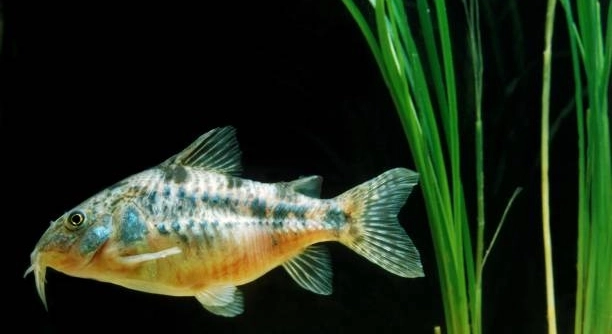
Corydoras catfish are a popular choice for aquarium enthusiasts. These small, bottom-dwelling fish are known for their peaceful nature and unique movements. However, you may notice that they sometimes move in short bursts, which can be puzzling.
The reason your Corydoras catfish moves in short bursts is often due to their instinctive behavior. They may dart quickly to escape potential threats, or it could be a sign of excitement or curiosity. Stress, water conditions, or diet can also play a role.
Understanding why your Corydoras acts this way can help you create a healthier environment. We’ll explore the reasons behind this behavior and offer solutions to ensure your fish thrives.
Why Short Bursts Are Common Behavior for Corydoras Catfish
Corydoras catfish are known for their quirky behavior, often darting around in short bursts. This movement is completely normal and can be attributed to various factors. These fish are bottom dwellers, and they tend to explore their environment by quickly swimming around. Short bursts of activity are a natural way for them to cover ground or investigate their surroundings. It is essential to understand that this behavior doesn’t usually indicate a problem, but it can be a sign of something else going on, such as stress or changes in water quality. Sometimes, they may also perform these rapid movements when they’re searching for food or when startled by sudden movements. Keeping an eye on their behavior will help ensure they’re comfortable and healthy in their tank.
Short bursts are not typically a cause for concern. However, it is worth considering the factors that could trigger this movement.
Many things affect how and why Corydoras catfish behave in short bursts. It’s important to note that these fish are quite active and may move in short, quick motions to cover more space while searching for food or moving away from perceived threats. These rapid movements are not necessarily related to a health issue but could be caused by a reaction to their environment. If the fish seem unusually energetic or keep darting, it may be a sign that their tank is too small or that they’re dealing with stressful water conditions. The level of oxygen in the water also plays a role. Low oxygen can cause fish to dart around more often as they search for better conditions. In some cases, Corydoras may display this behavior due to the presence of other fish or changes in lighting.
Tank Size and Water Quality Impact on Movement
Water quality is vital for the well-being of your Corydoras catfish. Poor water conditions may cause them to act differently, including more frequent short bursts. If the water is too dirty or the pH levels are off, Corydoras may become stressed. When fish feel stressed, they may move erratically or quickly in short bursts, as a response to discomfort. A clean tank with the right temperature and pH will encourage more natural and calm behavior. Ensuring proper filtration and regular water changes is key to minimizing stress.
Maintaining the right tank conditions is critical for your Corydoras to feel at ease. Regular monitoring of water parameters will help keep them happy.
A clean, well-maintained aquarium supports healthy Corydoras and reduces signs of stress. These fish thrive in environments where the water temperature remains between 72°F and 78°F (22°C to 26°C). The pH should fall between 6.0 and 7.5, and the water should be soft. Water hardness, temperature, and oxygen levels must be stable to avoid triggering erratic movements. Regular water changes are crucial for ensuring that toxins like ammonia and nitrites don’t build up. Keep in mind that even slight fluctuations in water quality can lead to stress. Make sure your filter is functioning properly and that the water flow isn’t too strong for these small, peaceful fish. When these conditions are met, your Corydoras will feel more secure and exhibit fewer bursts of rapid movement. Keeping their environment stable is the best way to avoid unnecessary stress and promote their well-being.
The Role of Diet in Behavior
A balanced diet can also influence your Corydoras’ movements. If they are not getting enough nutrients or if their food isn’t appropriate for their diet, they might exhibit more active behavior, including short bursts. They may dart around in search of food or to scavenge.
Water Temperature Fluctuations
Corydoras catfish are sensitive to sudden changes in water temperature. Rapid fluctuations can make them more active as they try to adjust. Keeping the water at a steady temperature range between 72°F and 78°F is crucial for their well-being.
If the temperature changes too quickly, Corydoras may begin to dart around more often. This behavior is a natural response to stress. Temperature fluctuations can interfere with their metabolism, causing them to swim erratically or more quickly than usual. Installing a reliable aquarium heater and using a thermometer to monitor the water temperature will help maintain stability. A consistent environment helps reduce the fish’s need to move in short bursts as they attempt to find comfort.
Temperature spikes or drops can also affect your fish’s health, making them more vulnerable to disease. By keeping the water temperature steady, you not only minimize burst movements but also promote better overall health. Corydoras are less likely to experience temperature stress if you avoid placing the tank near windows, heating vents, or air conditioners. Always check your aquarium’s temperature regularly, and consider getting a temperature controller to avoid unexpected changes. These simple steps will help maintain a calm environment where your fish can feel secure.
Oxygen Levels and Water Movement
Low oxygen levels can cause Corydoras catfish to swim in bursts, desperately trying to find a more oxygen-rich area. They rely on well-oxygenated water to thrive, and insufficient oxygen will lead to more frequent, rapid movements.
Inadequate oxygen can occur when water is stagnant or when the filtration system isn’t working efficiently. Corydoras catfish are bottom dwellers, so they prefer areas with higher oxygen concentration, typically near the surface or in areas with good water circulation. If oxygen levels drop too low, your fish will begin darting around, looking for better conditions. To help prevent this, ensure that your filter is working correctly and that the water is circulating well enough to prevent stagnant spots. Aerating your tank using air stones can also be helpful.
Poor oxygenation also leads to stress and health problems, making your Corydoras more prone to illnesses. To keep oxygen levels in check, avoid overcrowding the tank. The more fish in the tank, the harder it is to maintain proper oxygenation. Regular water changes can help with oxygenation, as fresh water naturally contains more oxygen. If you notice your fish consistently swimming in bursts and hovering near the surface, it’s a clear sign the oxygen levels need attention. A well-maintained tank with good water movement will keep your fish active in a healthy, natural way.
Presence of Other Fish
Corydoras catfish can sometimes display erratic movements due to interactions with other fish in the tank. If there are aggressive species, the catfish may swim in bursts to avoid them.
When kept with larger or more territorial fish, Corydoras may feel the need to constantly move in short bursts to stay out of harm’s way. This behavior is more common in tanks where fast-moving or predatory fish are present. They will try to quickly dart into hiding spaces or along the bottom to stay out of the way. Additionally, if the other fish are too active, the Corydoras might become stressed, leading to bursts of movement as they try to maintain distance. To keep your catfish calm, ensure the tank is appropriately stocked with peaceful companions.
Corydoras are peaceful creatures and prefer to live in groups. When housed with other peaceful species, they are less likely to feel the need to swim erratically. If you’re noticing your Corydoras moving quickly, it might be time to reassess the tank’s community setup. Consider adding more hiding spots, like plants, rocks, or caves, where the catfish can retreat to when feeling threatened. A peaceful environment where they can feel secure will reduce their need to dart around in short bursts, leading to more relaxed behavior.
Overcrowding in the Tank
Overcrowding can cause Corydoras catfish to act more erratically, moving in short bursts to avoid competition for space. It’s essential to provide enough room for your fish to swim freely.
If there are too many fish in the tank, it creates a stressful environment. Corydoras need space to move, forage, and explore without constant interference from others. In crowded conditions, they may dart around rapidly to avoid contact with other fish. To minimize this, ensure your tank size is appropriate for the number of fish it houses. A general rule is 1 inch of fish per gallon.
Water Chemistry Imbalance
Imbalanced water chemistry is another cause of short bursts in Corydoras catfish. Incorrect pH levels, high ammonia, or nitrates can stress them out, leading to erratic movements.
Corydoras are sensitive to water chemistry changes. Ammonia and nitrite spikes are harmful, causing discomfort and erratic swimming behavior. Check your tank’s water parameters regularly and maintain a proper filtration system to ensure that the ammonia and nitrate levels stay within a safe range. Regular water changes also help keep the water balanced and provide a healthier environment for your fish. If water quality issues persist, your catfish might display even more unusual behavior, such as darting around or staying near the surface in search of better conditions.
Stress from Sudden Movements
Corydoras may feel stressed and respond with rapid movements if there are sudden disturbances in the tank, like loud noises or unexpected changes in the environment.
Why does my Corydoras catfish keep moving in short bursts?
Corydoras catfish are naturally active creatures and tend to move in short bursts as part of their foraging behavior. They are bottom dwellers that constantly search for food. This behavior can also be influenced by stress, water quality, temperature fluctuations, or even interactions with other fish. If your catfish is darting around more than usual, check for changes in the environment or water conditions. Stress from poor water quality or temperature changes can make them more active. If they are kept in a tank with other fish, aggressive species may also cause them to move rapidly to avoid conflicts.
Is it normal for Corydoras to swim fast and in bursts?
Yes, it is normal for Corydoras to swim fast in short bursts, especially when they are searching for food or exploring their environment. These bursts are part of their natural behavior. However, if the bursts seem excessive or are paired with other signs of stress, such as hiding or erratic behavior, it could indicate a problem. Stress factors such as poor water quality, overcrowding, or aggressive tankmates can cause Corydoras to act more erratically. It’s always good to observe their overall behavior to determine if there’s a need for adjustments in the tank.
Can temperature changes cause my Corydoras to move more?
Yes, Corydoras catfish are sensitive to temperature fluctuations. If the water temperature changes too quickly or becomes too warm or too cold, your Corydoras may swim in bursts or act more energetically as they try to find a comfortable spot. Rapid temperature changes can cause stress and discomfort, which may lead to increased swimming or darting around. To prevent this, make sure your aquarium has a reliable heater and a thermometer to maintain a steady temperature between 72°F and 78°F (22°C to 26°C). Stability in temperature is key to keeping your fish calm and healthy.
How does water quality affect my Corydoras catfish’s behavior?
Water quality plays a huge role in the behavior of Corydoras catfish. Poor water quality, such as high ammonia or nitrite levels, can stress them out, causing erratic movements or short bursts of swimming. They may try to escape poor conditions by darting to areas they feel are safer, often near the surface. To avoid this, ensure your filtration system is effective and that you perform regular water changes. You should also monitor water parameters like pH, ammonia, nitrites, and nitrates to ensure they remain within safe levels. Good water quality leads to healthier, calmer fish.
What can cause Corydoras to swim in bursts due to stress?
Several factors can cause Corydoras to swim in bursts due to stress. Overcrowding is a common issue, as it limits the space they need to move freely. Similarly, tankmates that are aggressive or too large for the Corydoras can make them feel threatened, resulting in rapid movements to escape. Another stressor could be sudden loud noises or physical disturbances around the tank. Corydoras are sensitive to changes in their environment, so even minor changes, like new tank decorations or a filter change, can cause stress. If stress is the cause, try to identify and eliminate the trigger, and provide more hiding spaces.
Should I worry if my Corydoras keeps swimming to the surface?
If your Corydoras is swimming to the surface more frequently than usual, it could be a sign of low oxygen levels in the water. Corydoras are bottom dwellers, but they need well-oxygenated water to thrive. If the oxygen level is low, they may swim to the surface to gulp air. To improve oxygenation, consider adding an air stone or adjusting your filter to increase water movement. Regular water changes can also help maintain oxygen levels. If the behavior persists, check the water temperature, filter system, and ensure the tank is not overcrowded.
Can Corydoras catfish swim in bursts when they’re hungry?
Yes, Corydoras catfish may swim in bursts when they’re hungry, especially if they’re actively searching for food. They are bottom feeders and are constantly foraging for small particles in the substrate. If they are not finding enough food, they might swim in rapid bursts to cover more ground. Make sure you’re feeding them an appropriate amount of food and providing a varied diet. Overfeeding can lead to water quality issues, while underfeeding can cause your Corydoras to become more active as they search for food.
What should I do if my Corydoras keeps swimming erratically?
If your Corydoras is swimming erratically, it’s important to first assess the water quality. Test for ammonia, nitrites, nitrates, and pH levels to ensure the water is within safe parameters. Erratic behavior can also be a sign of stress from tankmates, overcrowding, or inadequate food supply. If your Corydoras is still acting oddly, check the temperature and ensure the tank is properly aerated. If everything seems normal but the behavior continues, it could be a sign of illness, and a visit to a vet with aquarium expertise may be necessary.
How can I stop my Corydoras from darting around so much?
To reduce the amount of darting or rapid swimming, focus on improving the tank environment. Make sure the water quality is stable and the temperature is consistent. Corydoras catfish thrive in peaceful communities, so check that your tankmates aren’t causing stress. Add more plants or hiding spaces to give your catfish a place to retreat when they feel threatened. Additionally, keep the tank size appropriate for the number of fish. Regular maintenance of the tank will create a comfortable environment where your Corydoras can feel safe, reducing the need for excessive movement.
Could my Corydoras catfish’s short bursts be related to illness?
While short bursts are often just a sign of natural behavior, it’s possible that they could be linked to illness. Corydoras are known to show signs of distress, such as rapid swimming, if they’re unwell. Symptoms like lethargy, abnormal swimming, or not eating could be indicators of an infection or parasite. If you notice any of these additional signs, it’s important to check the health of your fish and treat accordingly. Keep the tank clean, ensure water parameters are correct, and observe any changes in behavior. If symptoms persist, seek advice from an aquarium professional.
Corydoras catfish are generally peaceful and active fish that exhibit natural behavior, including moving in short bursts. These bursts can be a part of their foraging habits or a response to their environment. It’s important to understand that such movements are often normal and not necessarily a sign of distress. However, if you notice your Corydoras darting around more than usual or exhibiting other signs of stress, it’s worth looking into potential causes like water quality, temperature fluctuations, or overcrowding. Addressing these factors can help reduce erratic movements and ensure your fish remain happy and healthy.
To maintain a stable environment for your Corydoras, you should regularly monitor water conditions such as temperature, pH levels, and oxygen content. Corydoras are sensitive to changes in their surroundings, and maintaining stable water quality is key to reducing stress and promoting natural behavior. Additionally, ensuring your tank isn’t overcrowded, providing plenty of hiding spots, and keeping peaceful tankmates can all contribute to a calm, comfortable habitat. If your Corydoras are constantly swimming in bursts or seem agitated, take some time to assess these factors to identify potential sources of stress.
Ultimately, understanding your Corydoras’ behavior and the factors that influence it will help you create an optimal living space for them. A calm, well-maintained tank will support your fish’s natural tendencies and reduce signs of stress. Regularly checking water parameters, keeping an eye on their interactions with other fish, and providing a varied diet are simple but effective ways to promote their well-being. When these aspects are taken care of, you’ll likely notice that your Corydoras’ movements will return to their usual, more peaceful nature. By making small adjustments, you’ll ensure your Corydoras thrive in a safe and happy environment.

Hello,
If you enjoy the content that we create, please consider saying a "Thank You!" by leaving a tip.
Every little bit helps us continue crafting quality advice that supports the health, happiness, and well-being of pets around the world, for pets of all shapes, sizes, and species.
We really appreciate the kindness and support that you show us!