
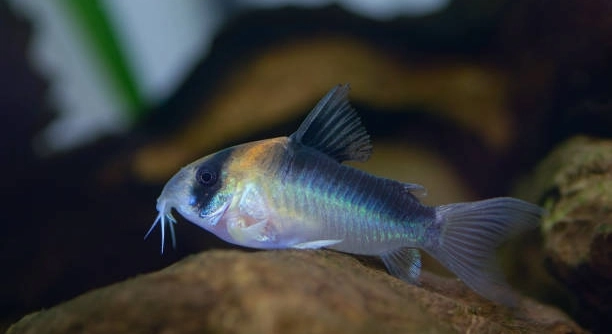
Corydoras catfish are popular aquarium pets known for their peaceful nature and active behavior. However, overcrowding in their environment can cause stress and health issues. It’s important to watch for signs that your catfish may be feeling cramped.
Overcrowding in Corydoras catfish occurs when there are too many fish in a tank, leading to stress, aggression, and health problems. Symptoms include slower growth, poor water quality, excessive aggression, and abnormal behavior. Proper tank size and regular maintenance are key.
By understanding the signs of overcrowding, you’ll be better prepared to ensure your fish thrive in a healthy environment. Keep reading to learn how to identify the symptoms and take action to improve your catfish’s living conditions.
Signs of Overcrowding in Corydoras Catfish
Overcrowding in a tank can affect Corydoras catfish in many ways. When the fish are cramped, they struggle to find space to swim, leading to a buildup of stress. This stress can cause physical problems, such as damaged fins or skin, and behavioral issues, like hiding more often. In smaller spaces, there is also a higher chance of poor water quality. With too many fish in one area, waste accumulates quickly, which can lead to ammonia spikes and other dangerous toxins in the water. This creates an unhealthy environment for your fish, affecting their overall well-being.
Signs of overcrowding include increased aggression, poor water conditions, and slow growth. The fish may begin to swim erratically or show signs of illness. If you notice these changes, it’s time to assess the tank’s capacity and consider making adjustments.
Understanding these early signs is essential. Keeping your Corydoras in a well-maintained tank with enough space ensures they live longer, healthier lives. Reducing the number of fish or upgrading the tank size can resolve many issues caused by overcrowding.
Poor Water Quality
When there are too many Corydoras in one tank, waste production can overwhelm your filtration system. The result is poor water quality, which directly affects the health of your fish. Accumulation of waste leads to harmful toxins, such as ammonia, nitrites, and nitrates, that build up quickly. Even with a good filter, the excess waste can still cause a spike in harmful chemicals, making the water unsafe for your catfish.
Monitoring water parameters regularly is a must when managing a community tank. Regular water changes, proper filtration, and tank cleaning can help prevent these issues. The more crowded the tank, the more frequent these tasks will need to be.
If you notice that the water quality is declining, it might be time to reduce the number of fish in the tank or improve the filtration system. Keeping water clean and fresh will go a long way in keeping your Corydoras happy and healthy.
Behavioral Changes in Corydoras
When a Corydoras tank becomes overcrowded, the fish’s behavior often changes. You may notice that the fish are hiding more often, avoiding swimming in open areas. They might seem lethargic or less active than usual, which could be a sign of stress. Some fish may start showing signs of aggression, either toward each other or other tank mates. This behavior is often a result of trying to compete for space or food. If left unchecked, this can lead to injuries or more severe health problems in the group.
The stress from overcrowding can also suppress their immune system, making them more vulnerable to diseases. An unhealthy tank environment can further contribute to these changes in behavior. In some cases, you may notice Corydoras engaging in erratic swimming patterns, or they might dart back and forth. These signs should not be ignored, as they signal that the fish are not comfortable in their environment.
If your Corydoras show behavioral changes like this, it’s time to consider whether the tank size or fish number needs adjusting.
Slower Growth Rate
Overcrowded tanks can severely affect the growth of Corydoras catfish. When there isn’t enough space, the fish compete for food and oxygen, leading to stunted growth. The constant stress from overcrowding can also interfere with their natural growth process, making them smaller than they would be in a more spacious environment.
In addition, a lack of space can result in more frequent injuries, which may slow growth as the fish spend more energy recovering. The crowded conditions also make it harder for your fish to find food, and they may not get the nutrients they need to grow at a healthy pace.
A well-balanced environment with fewer fish can lead to healthier and faster-growing Corydoras. Keeping fewer fish per tank ensures that everyone has access to enough food and oxygen, allowing them to grow as they should. This improves both their size and overall health.
Excessive Aggression
Aggression becomes more noticeable in overcrowded Corydoras tanks. With limited space, fish become territorial and more likely to fight for space or food. The stress of competition leads to chasing, fin nipping, and sometimes more serious injuries. You might notice fish displaying aggressive postures, such as flaring their fins or even nipping at one another’s fins.
In a crowded tank, aggression isn’t just confined to fish of the same species; tankmates may also be targeted. This issue can quickly escalate, leading to a stressed and injured fish community. When aggression is left unchecked, it often results in weakened fish that are more susceptible to diseases or infections.
Taking immediate action to reduce overcrowding can restore peace in the tank. By providing enough space for each fish, you’ll allow them to live more harmoniously, reducing territorial behavior and aggression.
Abnormal Swimming Patterns
Overcrowding often leads to abnormal swimming patterns in Corydoras catfish. Fish may swim in circles, dart around the tank, or spend time swimming near the surface rather than exploring the bottom. These behaviors are often caused by stress and lack of space.
In a cramped tank, the fish feel confined and unable to exhibit their natural behavior. They may become more skittish and less confident in their movements, as they constantly avoid each other and try to find open areas. This can result in a change in how they interact with their environment.
Ensuring your Corydoras have enough room to swim freely will help them return to their normal behavior. A larger tank or fewer fish can alleviate these abnormal swimming patterns.
Compromised Immune System
When Corydoras are overcrowded, their immune systems often become compromised. The stress of living in a crowded tank makes it harder for the fish to fight off illnesses, leaving them more susceptible to diseases. The poor water quality caused by overcrowding also weakens their immune responses.
Fish under stress are more likely to develop skin lesions, fungal infections, or parasites. Stress weakens their ability to heal from injuries and illnesses, so they might take longer to recover, or not recover at all.
Maintaining a stable, clean environment with fewer fish gives Corydoras the best chance to stay healthy and strong, boosting their immune system and reducing the risk of disease.
Impact on Breeding
Overcrowded conditions can also affect Corydoras breeding. Fish in a cramped environment may experience stress that disrupts their breeding behavior. The males may struggle to find females, or females may not be able to produce eggs. Poor water quality further complicates the breeding process.
Stress from overcrowding can interfere with the hormonal balance required for breeding, making it more difficult for the fish to mate. Additionally, reduced space means that there may not be enough hiding spots for the female to lay her eggs in a safe, undisturbed environment.
A larger tank with fewer fish gives Corydoras a better chance to breed naturally and successfully, ensuring healthy offspring.
FAQ
What is the ideal tank size for Corydoras catfish?
Corydoras catfish need a tank with plenty of space to swim and explore. A good rule of thumb is at least 10 gallons for a small group of Corydoras. For each additional fish, you should add 5 gallons of water. This helps maintain stable water quality and reduces the stress of overcrowding. A larger tank provides more room for each fish to thrive, which is crucial for their health.
If you are planning to keep more than a few Corydoras, consider a tank that’s at least 20 gallons. With more space, the fish can spread out and avoid territorial disputes, leading to better behavior and overall health. Remember, overcrowding can quickly result in deteriorating water conditions and stressed fish.
How many Corydoras catfish can be kept together?
Corydoras are social fish and should be kept in groups of at least 3 to 6 individuals. However, the number you can keep depends on the tank size. In a 10-gallon tank, you could comfortably keep 3 to 4 Corydoras, while a larger 20-gallon tank could house 6 to 8. It’s important not to overcrowd, as this will result in competition for space and food, leading to stress.
The ideal group size for Corydoras is usually around 6 to 8, as this helps maintain their social nature and keeps aggression to a minimum. More fish will require a bigger tank to ensure everyone has enough space to move around.
Can Corydoras catfish live with other fish?
Yes, Corydoras catfish are peaceful and generally get along with most tankmates. They’re often kept with other small, non-aggressive fish such as tetras, guppies, or shrimp. However, avoid keeping them with aggressive species, as this could lead to stress and injury. When choosing tankmates, consider their size and temperament.
Corydoras do well with other bottom-dwelling fish too. If you have larger fish in the tank, be sure they aren’t overly aggressive and won’t outcompete the Corydoras for food. This ensures that the catfish get their fair share of nutrients and stay healthy.
How can I tell if my Corydoras are stressed?
Stressed Corydoras may show signs like abnormal swimming, hiding more than usual, or even aggression toward tankmates. If they swim erratically or stay at the surface of the tank, it’s a sign they may be feeling cramped or unwell. Another common indicator is loss of appetite.
Stress can also manifest as physical signs, such as faded colors or visible injuries. Corydoras will often stop interacting with others in the tank when stressed, and their activity levels may decrease. If you notice any of these signs, it’s a good idea to evaluate the tank conditions and consider reducing the number of fish.
What should I do if my Corydoras are fighting?
If your Corydoras are fighting, it’s likely because they’re feeling overcrowded or stressed. To resolve this, try increasing the tank size or reducing the number of fish. More space will give each fish room to establish its own territory, which can help reduce aggression.
In some cases, the problem might be due to an imbalance in water parameters or poor water quality. Regular water changes and proper filtration can improve tank conditions and ease some of the tension among your fish. If aggression persists, it may help to add more hiding spots or plants to give the fish places to retreat and feel secure.
How often should I change the water in an overcrowded tank?
In an overcrowded tank, it’s essential to perform water changes more frequently to maintain water quality. A 25% water change every week is a good starting point, but this may need to be increased if there are too many fish. Overcrowding leads to an accumulation of waste, which can quickly degrade water quality and create harmful toxins.
A high-quality filter will help, but regular water changes are essential to remove excess nutrients and waste. Keeping the tank clean ensures the fish aren’t exposed to harmful substances like ammonia, which can cause stress and health problems.
How can I prevent Corydoras from becoming overcrowded?
To prevent overcrowding, always plan ahead for how many fish your tank can handle. Research the space requirements of your Corydoras and any other fish you intend to keep. If you notice signs of overcrowding, such as aggressive behavior or poor water quality, it’s important to either upgrade the tank or reduce the fish population.
When adding new fish, keep in mind that each species has specific space needs. Avoid buying too many fish at once, and regularly check water parameters to ensure the environment stays healthy for everyone. Ensuring your tank is appropriately stocked is the best way to avoid overcrowding in the long run.
Can I keep Corydoras in a tank without a filter?
While Corydoras can survive in a tank without a filter for a short time, it’s not recommended. Without proper filtration, waste and toxins build up quickly, leading to poor water quality. This increases the risk of stress and diseases. Corydoras require clean, oxygen-rich water to thrive, and a filter helps maintain this environment.
If you plan to keep Corydoras, a filter is essential for their health. It will help remove waste, keep water clear, and ensure the fish are getting the oxygen they need. Without a filter, regular water changes become even more important.
Final Thoughts
Overcrowding can significantly impact the health and well-being of your Corydoras catfish. It may seem like a small issue at first, but the effects can quickly escalate. When the tank is too full, your catfish won’t have enough space to swim freely, which leads to stress. This stress weakens their immune system, making them more vulnerable to illness and injury. Overcrowding also results in poor water quality, as the waste produced by too many fish overwhelms the filtration system. If left unchecked, this poor water quality can harm your catfish and their environment.
By monitoring the number of fish in your tank and making sure they have enough space, you can prevent overcrowding. Regularly check the water parameters, and be mindful of how many fish your tank can comfortably hold. Providing a clean, spacious environment will reduce stress and ensure that your Corydoras can live healthy and happy lives. It’s important to remember that Corydoras are peaceful, social fish that thrive in groups, but overcrowding can quickly lead to behavioral problems like aggression and poor growth.
If you notice any signs of overcrowding, such as abnormal swimming patterns, aggression, or slower growth, take action to improve the tank conditions. Whether that means upgrading to a larger tank or reducing the number of fish, these changes will help your Corydoras feel more comfortable. By keeping your tank clean and monitoring the water quality, you’ll ensure that your catfish live in a safe and stress-free environment.

Hello,
If you enjoy the content that we create, please consider saying a "Thank You!" by leaving a tip.
Every little bit helps us continue crafting quality advice that supports the health, happiness, and well-being of pets around the world, for pets of all shapes, sizes, and species.
We really appreciate the kindness and support that you show us!