
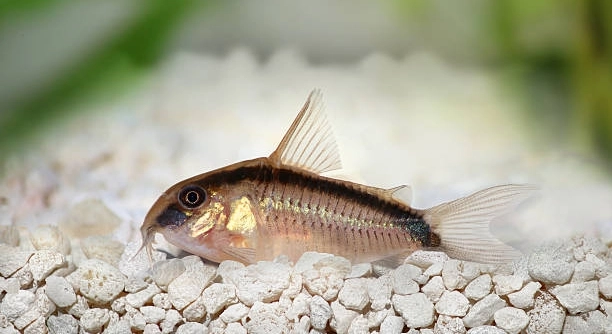
Are your Corydoras catfish always hiding under rocks, plants, or decorations in your tank, making it hard to see them at all?
Corydoras catfish often hide due to stress, poor water conditions, lack of proper tank mates, or environmental changes. These behaviors can also result from insufficient hiding spaces, illness, bright lighting, or feeling threatened by other fish.
Learning the possible causes will help you improve your Corydoras’ environment and behavior so they feel safe enough to swim freely.
Common Reasons Your Corydoras Is Always Hiding
Corydoras catfish often hide because they feel unsafe or stressed in their tank. Bright lighting, aggressive tank mates, or sudden changes in water conditions can all cause this behavior. These peaceful bottom dwellers prefer dim environments with soft lighting and gentle companions. When their surroundings become overwhelming, they retreat under decorations for safety. It’s also possible they’re hiding due to illness or injury, especially if they suddenly become less active. Monitoring behavior changes closely can help you spot issues early. If hiding is paired with loss of appetite or rapid gill movement, further action may be necessary.
Stress is a common cause and usually comes from water quality issues or tank disturbances. Corydoras need a peaceful, stable home.
A hidden Corydoras might also be underfed or not getting enough from surface feeding. Since they’re bottom feeders, food needs to sink. Make sure they receive proper nutrition by offering sinking pellets or wafers directly to the tank bottom.
Environmental and Social Factors
Tank setup and social structure can impact your Corydoras’ comfort level. These catfish feel safest in small groups of their own kind.
Keeping Corydoras alone or with incompatible tank mates may increase their need to hide. They’re social by nature and rely on their group to feel confident. A tank with at least five to six Corydoras will allow them to explore more freely. Aggressive or fast-swimming fish can make them anxious, forcing them to spend most of their time under decorations. Tank design is equally important. Adding live plants, soft substrate, and hiding spots allows your catfish to feel secure. Avoid sharp decor that may cause injury. Consistent water quality is essential—perform regular checks for ammonia, nitrite, and nitrate levels. Stability helps your Corydoras adapt and feel at ease in their environment. Balanced lighting and gentle flow also create a more natural and calming space, reducing the urge to stay hidden.
Health-Related Causes
Illness can make your Corydoras feel weak or vulnerable, which leads them to hide more than usual. Watch for signs like clamped fins, pale color, or sluggish movement. These changes often point to an underlying health issue.
Bacterial infections, parasites, and fungal problems are common in community tanks and can affect your Corydoras without immediate warning. If your fish is hiding more often and showing physical symptoms like cloudy eyes, bloating, or white patches, it’s best to isolate it and begin treatment. Medications should match the diagnosed problem, and it’s important to follow instructions carefully. Clean water and proper tank maintenance support recovery.
Internal issues like swim bladder disorders or stress-related illness may not show external symptoms right away. However, changes in swimming behavior or refusal to eat can indicate a problem. Providing a stress-free environment and acting quickly on signs of illness will give your Corydoras a better chance of recovery.
Tank Conditions and Maintenance
Poor water quality often forces Corydoras to seek shelter. These fish are sensitive to ammonia spikes, nitrite levels, and pH swings. Regular water changes and tank cleaning help create a safer, healthier environment for them to thrive.
Neglected tanks can cause waste and food to build up in the substrate, creating unsafe conditions for bottom-dwellers like Corydoras. Make sure to vacuum the substrate during water changes and avoid overfeeding. Test water regularly to monitor pH, ammonia, nitrite, and nitrate. Corydoras thrive in stable, slightly acidic to neutral water. Also, keep water temperature between 72–78°F to prevent stress. Overcrowding can reduce oxygen levels, so avoid packing the tank with too many fish. A good filtration system, paired with gentle flow, supports oxygen exchange and reduces harmful buildup. Maintaining a consistent tank schedule not only improves water quality but also helps your fish feel secure in their space.
Light Sensitivity and Tank Placement
Bright lighting can make Corydoras feel exposed and uncomfortable. They naturally prefer dim environments, so harsh overhead lights may cause them to hide. Use floating plants or adjustable lighting to create a softer, shaded area where they can explore more freely.
Tank placement also affects their comfort. Avoid putting the aquarium near loud speakers, constant foot traffic, or strong sunlight. These external stressors can make your Corydoras uneasy, leading them to stay hidden most of the time. A calm, quiet corner of a room works best for their overall well-being.
Lack of Hiding Spots
Without proper shelter, Corydoras feel unsafe and tend to stay hidden under whatever limited cover is available. Adding caves, driftwood, and plants creates a sense of security. These hiding spots reduce stress and encourage more natural behavior, including active foraging and social swimming in the open.
Changes in Routine
Routine changes like moving decor, adding new fish, or shifting feeding times can make Corydoras anxious. These fish prefer a stable, predictable environment. Even small adjustments can lead to temporary hiding until they feel secure again.
FAQ
Why is my Corydoras hiding all of a sudden?
Sudden hiding usually means something has changed in their environment. This could be a water quality issue, temperature drop, new tank mates, or loud noises near the aquarium. Corydoras react quickly to stress, and their instinct is to seek shelter. Testing water parameters and observing tank dynamics can help pinpoint the problem. If hiding continues for more than a couple of days, check for signs of illness or injury. Stability is important, so avoid making multiple changes at once.
Can lighting really cause my Corydoras to hide?
Yes, bright lighting can be stressful for Corydoras. These fish prefer dim, soft lighting similar to their natural habitat. If the tank light is too strong or on for too many hours, they may retreat into hiding spots. Floating plants or shaded areas in the tank help make them feel more secure. Using a timer to mimic a natural day-night cycle also supports healthier behavior. A dimmer or adjustable light setting can make a big difference in their comfort level.
Is hiding a sign of illness in Corydoras catfish?
It can be. While hiding isn’t always a health concern, if it’s paired with signs like loss of appetite, unusual swimming, clamped fins, or pale coloring, illness is possible. Corydoras are sensitive to poor water conditions, and many health issues stem from unbalanced parameters. Fungal or bacterial infections, parasites, or internal problems like swim bladder disorders may cause them to isolate and rest more often. Quarantining the affected fish and starting treatment early gives the best chance of recovery.
How many Corydoras should be kept together to prevent hiding?
Corydoras are social fish and should never be kept alone. A group of at least five to six individuals is recommended. When kept in groups, they feel more confident and show active, playful behavior. A single Corydoras will feel insecure and spend most of its time hiding. Even in pairs or trios, they may not feel safe enough to explore. Providing a small shoal ensures they interact naturally and feel secure in their environment.
Do Corydoras hide more during certain times of day?
Yes, Corydoras are more active during low-light periods, such as early morning or evening. During the day, especially with bright lights on, they may rest or hide more often. This doesn’t mean something is wrong. They simply follow a rhythm based on their comfort and lighting levels. If they become completely inactive during all hours, that may indicate another issue like poor water conditions, stress, or illness. Watch their routine closely to understand what’s normal for them.
Can Corydoras hide because of tank mates?
Definitely. Aggressive or fast-moving fish can intimidate Corydoras, especially if they compete for food or chase them. Even if no direct attacks occur, constant activity from other species may push them into hiding. Peaceful tank mates that stick to different water levels, like top or middle swimmers, make better companions. Avoid cichlids, barbs, or large gouramis that may stress them. Good choices include tetras, rasboras, or other peaceful bottom dwellers like kuhli loaches.
What should I feed my Corydoras to help them feel safe and seen?
Corydoras eat from the bottom, so sinking pellets or wafers are best. Flakes and floating food often don’t reach them. Offer food in the same spots each time so they get used to the routine. You can also include frozen or live foods like bloodworms or brine shrimp as treats. These encourage natural foraging behaviors and may help them become more active and visible. Make sure they get their share, especially in community tanks with faster eaters.
Do changes in tank setup cause hiding?
Yes, even minor changes like moving decorations or plants can confuse and stress your Corydoras. They rely on familiarity to feel secure, and changing their territory suddenly can lead to hiding. If you need to make adjustments, do it gradually. Rearranging the whole tank at once can cause a strong stress reaction. Give them time to adjust after changes and monitor their behavior to make sure they’re settling in well.
Is it normal for new Corydoras to hide at first?
Absolutely. Corydoras need time to adapt to a new tank. Hiding for the first few days is completely normal, especially if they’re introduced to unfamiliar fish or conditions. Reduce tank activity, keep lighting low, and avoid sudden movements near the tank. Within a week, they usually start to explore more if they feel safe. Having plenty of hiding spots, good water quality, and a group of their own kind will help them settle in faster.
Final Thoughts
Corydoras catfish are peaceful and sensitive bottom dwellers that often rely on hiding as a natural way to feel safe. While it may seem unusual at first, this behavior is often linked to their surroundings. Things like strong lighting, sudden tank changes, or even loud sounds can make them uncomfortable. These small fish are easily affected by stress and will usually seek shelter until they feel secure again. That’s why it’s important to provide a tank environment that supports both their safety and social needs.
Watching them hide doesn’t always mean something is wrong, but it’s still worth paying attention to. Hiding for long periods, especially if they’re not eating or swimming normally, could be a sign of illness or poor water conditions. It helps to monitor your tank parameters regularly and make sure they’re living with peaceful tank mates. Small actions, such as dimming the lights or keeping them in groups, can go a long way in reducing their stress. Providing live plants, caves, and driftwood will also help them feel secure without needing to isolate.
Understanding why your Corydoras may be hiding allows you to make small changes that can lead to a healthier tank environment. These fish do best when they feel safe, have company, and can explore without fear. Once their needs are met, they tend to become much more active, playful, and visible during quieter hours. With proper care and attention, your Corydoras will not only come out more often but also stay healthy and comfortable in their home. Their natural behavior is shaped by what surrounds them, so creating a calm and steady environment will always make a difference.

Hello,
If you enjoy the content that we create, please consider saying a "Thank You!" by leaving a tip.
Every little bit helps us continue crafting quality advice that supports the health, happiness, and well-being of pets around the world, for pets of all shapes, sizes, and species.
We really appreciate the kindness and support that you show us!