
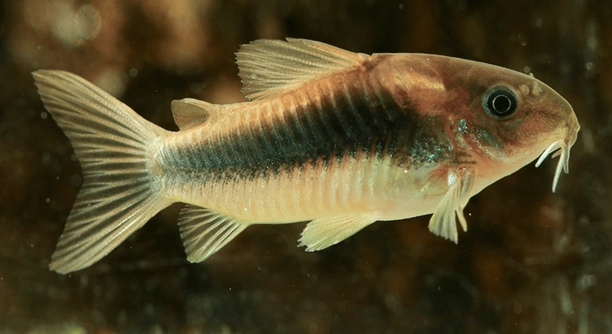
Corydoras catfish are well-known for their cleaning abilities in aquarium setups. They play a vital role in keeping tanks free of debris. These small but efficient fish help maintain a healthy and balanced aquatic environment.
Corydoras catfish are highly regarded as clean-up crew fish due to their ability to scavenge leftover food, algae, and waste from the substrate. Their constant foraging behavior helps maintain water quality by reducing organic buildup in the tank.
Their helpful habits go beyond just keeping the tank tidy. Understanding how these catfish contribute will show why they are a top choice for aquarium owners.
1. Corydoras Catfish Are Great Algae Eaters
Corydoras catfish are excellent at keeping algae in check. As bottom dwellers, they forage along the tank floor, helping to prevent algae from taking over. This behavior makes them a valuable addition to aquariums with plants, as they won’t harm the foliage while cleaning up. The more algae they consume, the cleaner the tank remains.
Though their primary role isn’t to completely eradicate algae, they significantly reduce the build-up on surfaces. With their small size and constant movement, they’re great for areas that larger fish can’t reach, like around decorations and the substrate.
Their algae-eating habits reduce the need for chemical algae treatments, helping maintain the tank’s natural balance. Corydoras do an excellent job of managing minor algae problems, but they should be part of a broader cleaning routine to keep things in check.
2. They Help Remove Leftover Food
One of the most notable traits of Corydoras catfish is their ability to clean up leftover food. They scavenge uneaten food from the substrate, preventing it from decomposing and clouding the water. This helps maintain water quality by reducing organic waste that could lead to harmful spikes in ammonia or nitrites.
Their constant searching for food reduces the chance of overfeeding-related problems, which could otherwise lead to poor water conditions. Corydoras can be relied upon to clean up leftovers, even in tanks with more demanding fish that might leave uneaten food behind.
3. They Improve Water Quality by Stirring the Substrate
Corydoras catfish help maintain water quality by constantly stirring the substrate. Their burrowing behavior ensures that debris and organic matter don’t settle into the tank’s bottom. This prevents the build-up of harmful toxins like hydrogen sulfide and keeps the water cleaner for longer. Their actions also help aerate the substrate.
In aquariums with fine substrates, such as sand, Corydoras are particularly effective. Their delicate fins prevent them from disturbing the substrate too much, but they still manage to keep it moving enough to avoid compacting. This helps prevent water from becoming murky or developing bad odors.
Their ability to keep the substrate clean also reduces the need for frequent tank maintenance. With Corydoras at work, there’s less risk of harmful buildup that would otherwise require more attention from you.
4. They Are Peaceful Tankmates
Corydoras catfish are known for their peaceful nature, making them ideal companions for a wide variety of other fish. Their calm demeanor helps them get along with most tankmates, including other bottom-dwelling species and active fish. They are non-aggressive and rarely disturb other fish.
These catfish tend to focus on cleaning rather than fighting for territory. In mixed-species aquariums, Corydoras won’t cause stress to more delicate or shy fish. This peaceful behavior also helps keep the overall atmosphere of the tank relaxed, benefiting both the fish and the aquarist.
Their adaptability in community tanks makes Corydoras one of the top choices for beginners and experienced hobbyists alike. They thrive in various conditions and peacefully share their space with a wide range of species.
5. They Thrive in Various Water Conditions
Corydoras catfish are hardy and adaptable, able to live in a range of water conditions. They can handle slight fluctuations in temperature, pH, and hardness. This makes them a flexible choice for tanks with varying water quality and more difficult species to care for.
Corydoras are tolerant of both slightly acidic and neutral water, and they can adjust to different hardness levels, as long as sudden changes are avoided. This adaptability makes them a good choice for beginners who may not yet have mastered the nuances of water chemistry.
Their ability to thrive in different conditions means less worry about water parameters, as long as they are kept within acceptable ranges.
6. They Are Low-Maintenance
Corydoras catfish are relatively low-maintenance compared to other fish species. They don’t require much attention other than regular feeding and periodic water changes. Their simple care needs make them a great addition to aquariums of all experience levels.
Their quiet, easy-going nature means they don’t disturb the tank’s balance, allowing for a more stable environment with minimal effort. Once their basic needs are met, Corydoras can go about their work without requiring much interaction or special treatment.
This low-maintenance aspect makes them an ideal choice for busy aquarists or those with less time for constant upkeep.
7. They Are Fun to Watch
Corydoras catfish are entertaining to watch as they explore the tank floor in search of food. Their playful movements, such as darting in and out of hiding spots and interacting with other fish, make them a lively addition to any aquarium. Their behavior can be quite charming, especially in a well-planted tank.
Corydoras’ social nature often leads them to interact with one another, creating small groups that work together. This adds a sense of community to your tank, making it more enjoyable to observe. They also tend to be active during both the day and night, ensuring they remain interesting to watch at different times.
FAQ
What do Corydoras catfish eat?
Corydoras catfish are omnivores, meaning they eat both plant and animal matter. They primarily forage for small invertebrates, detritus, and leftover food in the substrate. In the wild, they consume algae, worms, and even small crustaceans. In an aquarium, they will readily accept high-quality pellets, wafers, and other foods designed for bottom feeders. It’s important to offer them a varied diet to ensure they get all the nutrients they need, which helps maintain their health and energy.
While they are scavengers, it’s also essential not to rely solely on leftover food in the tank. They need consistent feeding schedules to stay healthy and active. Offer them a balanced mix of dry and frozen foods, including bloodworms, brine shrimp, and vegetables like blanched spinach or zucchini.
Do Corydoras catfish need to be in groups?
Yes, Corydoras catfish are social fish and should always be kept in groups of at least three or more. They feel safest and most comfortable when surrounded by their own kind. Corydoras are known to engage in group activities, such as swimming together, foraging, and even resting as a group. Without companions, they can become stressed and more vulnerable to illness.
In addition, keeping a group of Corydoras helps promote natural behavior, like the “schooling” or group-hunting pattern they display when looking for food. A larger group will also make the tank appear more lively and interesting. Ideally, aim for a group of six or more if possible, as this promotes a happier and healthier environment for the fish.
How often should I feed Corydoras catfish?
Corydoras catfish should be fed once or twice a day, depending on their size and the specific needs of your aquarium. It’s important not to overfeed them, as excess food can lead to water quality issues. Feed only what they can consume in a few minutes, and remove any uneaten food promptly.
Offering a variety of food types is key to providing them with a balanced diet. Alternate between high-quality pellets, freeze-dried or frozen foods, and occasional fresh vegetables like cucumber or peas. Remember that their scavenging behavior means they’ll also find food at the tank bottom, but you should ensure they are getting enough nutrition from regular feedings.
Do Corydoras catfish need a specific tank size?
While Corydoras are relatively small fish, they still need adequate space to swim and explore. A minimum tank size of 20 gallons is ideal for a group of Corydoras. This provides enough space for them to swim around comfortably and also keeps water quality stable. A larger tank will always be better, especially if you’re keeping multiple species of fish.
It’s also important to keep in mind that Corydoras are bottom dwellers, so the layout of the tank matters too. A sandy or soft substrate is preferable, as it allows them to burrow and forage naturally without harming their delicate barbels.
Can Corydoras catfish live with other fish?
Corydoras catfish are peaceful and non-aggressive, making them ideal tankmates for a variety of other species. They can live with small to medium-sized peaceful fish, including tetras, guppies, and mollies. They also get along with other bottom dwellers like plecos or loaches, as long as they aren’t too territorial.
Avoid keeping them with larger, aggressive fish that may bully or harm them. Corydoras are gentle and non-confrontational, so they thrive in a calm community setting. They’re also quite shy, so providing plenty of hiding spaces and plants in the tank will help them feel secure.
Are Corydoras catfish sensitive to water quality?
While Corydoras catfish are hardy fish, they still need clean, stable water to thrive. They can be sensitive to poor water conditions, especially to ammonia, nitrites, and large fluctuations in temperature. Regular water changes are necessary to keep the tank in optimal condition.
It’s essential to maintain stable water parameters, including a temperature range of 72-78°F (22-26°C) and a pH between 6.5 and 7.5. You should also monitor hardness levels and ensure the water is adequately filtered to remove toxins. Routine testing of water parameters is a good practice to ensure they are in the ideal range for Corydoras.
Do Corydoras catfish lay eggs in the tank?
Yes, Corydoras catfish can breed in the aquarium, and they lay eggs on smooth surfaces like glass, decorations, or plants. The eggs are usually laid in clusters, and the male fertilizes them after the female deposits them. If you want to breed them, you’ll need to provide a breeding environment, which includes stable water conditions and plenty of hiding places for the eggs.
Once the eggs hatch, the fry are small and require special care, such as baby brine shrimp or powdered food. However, breeding Corydoras in a community tank can be difficult, as other fish may eat the eggs or fry. If you’re hoping for successful breeding, consider setting up a separate breeding tank to give the eggs a better chance of surviving.
Are Corydoras catfish sensitive to tank mates?
Corydoras are generally peaceful, but it’s important to choose their tank mates carefully. They thrive in a community tank with other peaceful species, but can be stressed by overly aggressive or fast-moving fish that may disrupt their peaceful nature. Additionally, large or territorial fish may view Corydoras as competition for space or food.
When selecting tank mates, always ensure that the species are compatible in terms of temperament, size, and water requirements. Corydoras do best in groups with non-aggressive fish that won’t disturb them. Smaller fish like tetras, rasboras, and peaceful gouramis make great companions for Corydoras.
Do Corydoras catfish need a heater in the tank?
Yes, Corydoras catfish do best in aquariums with a stable temperature. While they can tolerate a range of temperatures, they thrive in water between 72°F and 78°F (22-26°C). A heater is recommended to maintain consistent temperature levels, especially if your home’s temperature fluctuates.
Make sure the heater is properly sized for the tank, and monitor the water temperature regularly to ensure it stays within the ideal range. Corydoras are sensitive to sudden temperature changes, so maintaining a consistent environment is key to keeping them healthy.
Final Thoughts
Corydoras catfish are a fantastic choice for aquarium enthusiasts looking for a peaceful and efficient clean-up crew. Their calm demeanor and hardworking nature make them excellent tank mates for a variety of fish. As bottom dwellers, they help keep the tank clean by scavenging leftover food, debris, and waste, which can contribute to a healthier environment for other fish. Their easygoing temperament and small size also make them adaptable to many aquarium setups, from small tanks to larger, more complex ecosystems.
These catfish are relatively low-maintenance but do require proper care to thrive. Ensuring they have a soft, sandy substrate is important to protect their delicate barbels. Regular water changes and keeping the water clean are essential to maintaining their health and preventing issues like disease or stress. Corydoras are not demanding in terms of water parameters, but consistent attention to temperature and water quality will go a long way in promoting their wellbeing. A balanced diet with high-quality pellets, occasional frozen or live food, and plant matter will also help keep them happy and healthy.
Overall, Corydoras catfish are great additions to many aquariums, especially for those who want a natural way to manage waste. Their social nature, ability to interact with other species, and easy-to-care-for habits make them a popular choice. They can thrive in well-maintained tanks with plenty of hiding spots and are often the perfect choice for those just starting in the hobby or seasoned aquarium keepers. With a bit of attention and care, Corydoras catfish can live long, healthy lives and add a peaceful, active presence to any aquarium.

Hello,
If you enjoy the content that we create, please consider saying a "Thank You!" by leaving a tip.
Every little bit helps us continue crafting quality advice that supports the health, happiness, and well-being of pets around the world, for pets of all shapes, sizes, and species.
We really appreciate the kindness and support that you show us!