
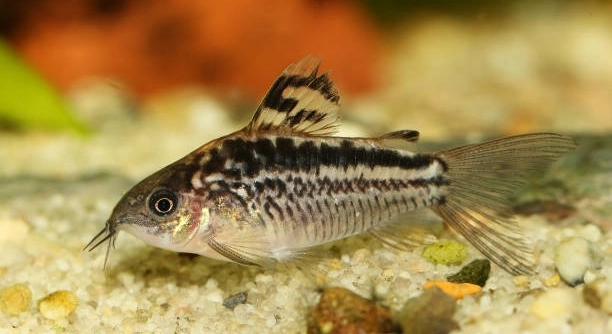
Corydoras catfish are popular aquarium pets due to their playful and friendly nature. However, some may struggle with shyness, affecting their behavior. Understanding whether your catfish is too shy can help you create a better environment for it.
A shy Corydoras catfish may exhibit signs of avoiding social interaction, hiding frequently, or showing a lack of curiosity. Recognizing these behaviors is important to ensure the catfish’s health and happiness in its environment.
By watching for specific signs of shyness, you can improve your catfish’s environment and address its needs. Let’s explore the signs to look out for.
Hiding Frequently
One of the most noticeable signs of a shy Corydoras catfish is frequent hiding. These fish are naturally curious, but when they feel anxious or overwhelmed, they retreat to safe spots like plants or caves. If your catfish spends most of its time out of sight, it could be a sign it’s too shy.
In the wild, Corydoras catfish are bottom-dwellers and enjoy finding cover. However, excessive hiding might indicate that the environment is stressing them out, or they are unsure of their surroundings.
If you notice your catfish hiding all the time, consider making changes to their environment. Adding more hiding spots could help them feel secure, but you may also want to adjust the tank’s lighting, water temperature, or flow. A calmer, more predictable environment will likely help your catfish feel more comfortable and less inclined to hide. Remember, they need a balance between privacy and space to explore.
Lack of Appetite
A lack of appetite can often accompany shyness in Corydoras catfish.
Fish that are too shy may avoid feeding or not come out to eat at all. In these cases, it’s important to ensure the tank is calm and stress-free. High activity from tank mates, loud noises, or sudden changes could cause your catfish to lose interest in food.
Fish are sensitive to their environment, and stress is a common reason for decreased appetite. Try feeding your catfish during quieter times of the day or when the tank is more peaceful. Ensure their food is sinking, as Corydoras prefer to forage at the bottom. Additionally, providing varied food options might help entice your catfish to eat.
Avoiding Tank Mates
When a Corydoras catfish avoids its tank mates, it can be a sign of shyness. They are social fish by nature, but if they feel threatened or overwhelmed, they may stay away from others.
If your catfish is regularly distancing itself from other fish, it could indicate stress. In a peaceful aquarium, Corydoras usually enjoy interacting with their tank mates. However, a shy catfish may stay hidden in a corner, away from other fish, or even react defensively if approached. This behavior often happens when the catfish is unsure or scared of its environment.
To address this, consider adjusting the community in your tank. Make sure tank mates are calm and not overly aggressive. Adding plants or other hiding spots can give the catfish more space to feel secure. Avoid sudden changes or loud noises, as these can add to their stress and shyness.
Slow Movement
A shy Corydoras catfish often moves more slowly than its more confident counterparts. Slow movements, like taking extra time to explore or swim, may indicate hesitation or anxiety.
Shyness can cause the fish to become overly cautious. In the wild, Corydoras catfish are active, moving quickly to search for food. A catfish that moves slowly or hesitates before swimming could be reacting to something in its environment. If the water conditions are poor or there’s too much activity in the tank, this could be a factor.
It’s important to check the water quality to rule out any environmental stressors. Ensure the temperature, pH, and water hardness are within the ideal range for your catfish. A quiet tank with minimal disruptions will help your Corydoras feel comfortable enough to move with its usual energy. Keeping an eye on their behavior will help you address the issue and ensure your catfish is healthy and active.
No Interest in Exploration
A Corydoras catfish that doesn’t explore its surroundings could be too shy. These fish are naturally curious, so if yours stays in one place, something might be stressing it out.
Lack of exploration can signal that your catfish doesn’t feel safe enough to move around. Environmental stress or poor water conditions could be at play. If the catfish feels exposed, it may avoid moving around to stay hidden.
Overly Sensitive to Movements
Corydoras catfish are sensitive to their environment. If your catfish reacts too quickly to any movement in or around the tank, it may be overly shy.
Shy catfish often startle easily when you approach the tank or when there’s movement nearby. They may dart away or quickly hide at the slightest disturbance. This can happen if they feel threatened, and it’s important to minimize sudden movements to reduce stress. If this behavior continues, it’s a good idea to reassess the tank setup for a more calming environment.
Lack of Social Interaction
Shy Corydoras catfish will often avoid interaction with other fish, even if they typically enjoy socializing. This lack of interaction might show that they are too shy.
If your catfish avoids its tank mates, it’s important to check the overall tank dynamics. Too many aggressive or overly active fish could be intimidating for the catfish, leading to isolation. Try adding more hiding spots and adjust tank conditions to make your Corydoras feel more comfortable and secure in its environment.
FAQ
How can I help my shy Corydoras catfish feel more comfortable?
To make your Corydoras catfish feel more comfortable, ensure the tank environment is calm and secure. Provide plenty of hiding spots using plants, rocks, or caves. Keep the water quality optimal, with stable temperature, pH, and hardness levels. Avoid sudden movements or loud noises near the tank, as these can stress the fish. Additionally, consider lowering the water flow if it’s too strong, as Corydoras prefer calm water. Offering food during quieter times can also help your catfish feel more confident.
What should I do if my Corydoras catfish won’t eat?
If your Corydoras catfish is not eating, it could be a sign of stress or shyness. Check the water parameters to ensure they are ideal for your fish. If the conditions are fine, try feeding during the evening or when the tank is quieter. Offer a variety of foods, such as sinking pellets, algae wafers, or frozen food, to entice the catfish. Make sure the food sinks to the bottom, as Corydoras feed off the substrate. If the problem persists, consider checking for illness or disease.
Why is my Corydoras catfish constantly hiding?
Constant hiding could indicate your Corydoras catfish feels insecure or stressed. Shy behavior is common, but frequent hiding may be a result of poor water conditions or tank mates that are too aggressive. Try adding more hiding spots to the tank and making the environment quieter. Check for any signs of illness, as a sick catfish may also retreat and hide more than usual.
Can Corydoras catfish get along with other fish?
Corydoras catfish are generally peaceful and get along well with most other non-aggressive fish. However, if the tank has too many dominant or active fish, your catfish may become shy and avoid interaction. Ensure the other tank mates are calm and won’t stress out your Corydoras. Avoid adding fish that are territorial or overly active, as this can make your catfish feel unsafe and lead to more shy behavior.
How do I know if my Corydoras catfish is sick or just shy?
It can be difficult to tell if your Corydoras catfish is sick or simply shy. Shyness is typically a behavior issue, while illness may show physical signs such as fading color, lesions, or erratic swimming. If your catfish continues to hide and shows no interest in eating, it might be worth checking for any signs of illness. Look for unusual physical symptoms, such as bloating or cloudy eyes, and test the water for any irregularities that could cause stress.
Why does my Corydoras catfish seem so slow and inactive?
A slow and inactive Corydoras catfish may be feeling stressed or insecure. Shyness can lead to hesitation, causing the fish to move slowly or avoid exploring. Check the water parameters, as poor water quality can also make the catfish sluggish. In some cases, Corydoras catfish become lethargic due to illnesses or parasites, so it’s important to rule out health issues. If the water is clean and the tank is peaceful, slow movement is likely due to shyness or low confidence.
Should I remove my shy Corydoras catfish from the tank?
Removing your shy Corydoras catfish should only be considered if you believe there’s a serious issue, such as illness or if the fish is constantly bullied by tank mates. In most cases, your catfish will benefit from changes in the environment that make it feel safer. Adjusting the water flow, temperature, and providing more hiding places can encourage your Corydoras to come out of hiding. If the problem persists, you may want to move it to a more peaceful tank or a quarantine tank until the issue is resolved.
How long does it take for a shy Corydoras catfish to adjust?
The adjustment time for a shy Corydoras catfish can vary. Some catfish may take a few days to settle into their new environment, while others may take weeks to feel fully comfortable. Patience is key when dealing with shy fish. Creating a peaceful tank with the right conditions will help speed up the process. Avoid making too many changes at once, as this can stress your fish even more. With time, your catfish will likely become more active and confident.
Can Corydoras catfish recover from being overly shy?
Yes, Corydoras catfish can recover from being overly shy with proper care and adjustments to their environment. The key is to reduce stressors and create a stable, comfortable space for your catfish. Providing hiding spots, maintaining good water quality, and offering calm tank mates can help your fish feel more secure. Additionally, offering a variety of foods and feeding at regular intervals will encourage your catfish to be more active. With time and the right care, most Corydoras can regain their confidence.
Final Thoughts
Corydoras catfish are generally peaceful and social fish that enjoy exploring their environment. However, if your catfish is being unusually shy, it’s important to understand the causes behind this behavior. Shyness in Corydoras can stem from a variety of factors, including poor water conditions, sudden changes in the environment, or the presence of tank mates that may be too aggressive. It’s important to observe their behavior carefully and assess the conditions in their tank. Small adjustments can often make a big difference in how comfortable and confident your catfish feels.
Creating a safe and stable environment for your Corydoras is key to helping them overcome shyness. Ensuring that the water temperature, pH, and hardness are appropriate for your catfish will go a long way in reducing stress. Adding more plants, rocks, or caves can provide them with hiding spots where they can feel secure. If your tank has high water flow, consider reducing it, as Corydoras prefer calmer waters. Additionally, minimizing disturbances, such as loud noises or fast movements near the tank, will help prevent your catfish from feeling threatened. Patience is crucial in helping your catfish adjust and feel more comfortable over time.
It’s also important to remember that each fish is unique, and some Corydoras may naturally be more reserved than others. While shyness can be a temporary issue, it’s always a good idea to monitor the situation and take steps to ensure your fish is healthy and happy. If your catfish continues to show signs of excessive shyness or refuses to eat, it may be time to check for potential health issues. If you’re unsure, seeking advice from an experienced aquarium keeper or veterinarian can provide additional insights into how to help your Corydoras thrive. With the right care and attention, your Corydoras catfish can regain its confidence and enjoy a healthy, happy life in your aquarium.

Hello,
If you enjoy the content that we create, please consider saying a "Thank You!" by leaving a tip.
Every little bit helps us continue crafting quality advice that supports the health, happiness, and well-being of pets around the world, for pets of all shapes, sizes, and species.
We really appreciate the kindness and support that you show us!