
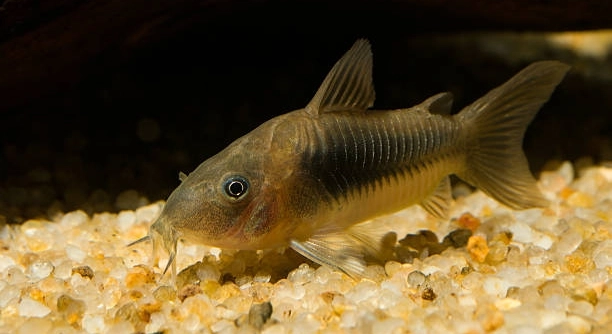
Corydoras catfish are fascinating creatures that often display unique behaviors in the aquarium. One common action they engage in is digging in the substrate. This behavior can be puzzling for many aquarium owners.
Corydoras catfish dig in the substrate for various reasons such as foraging, nesting, or simply to establish territory. They are natural bottom dwellers and digging is part of their instinctual behavior to search for food or hide.
Understanding why your corydoras catfish digs can help ensure their environment is suited to their needs. This will allow you to create a healthier and happier space for your fish.
Corydoras Catfish Are Natural Bottom Dwellers
Corydoras catfish are naturally bottom-dwelling fish that prefer to stay close to the substrate. Their bodies are designed to graze along the tank’s floor, searching for food. In the wild, these catfish typically forage through the mud and sand for small organisms or bits of plant material. The substrate becomes their playground, where they sift through the dirt with their barbels, which act like little sensory tools.
Although they may appear to be creating a mess, this behavior is actually a sign of health and well-being. It helps them find food, and it’s simply a natural part of their routine. In your aquarium, this instinct will continue as long as they have a suitable environment to dig around in. Without proper space or substrate, your corydoras might feel stressed and uncomfortable.
They also use this digging behavior to feel secure, as it mimics their natural habitat. So, don’t be alarmed when you see them stirring up the tank. It’s just part of their everyday behavior.
Searching for Food
Corydoras catfish are constant foragers, and digging is a key part of their method to find food. In your tank, this might mean they’re looking for leftover flakes, sinking pellets, or even bits of plants.
Their barbels are their best tools for this, allowing them to detect small food particles hidden in the substrate. This action is essential for them to maintain a balanced diet. While it might seem excessive, they’re simply doing what feels natural to them. Keeping their environment clean and stocked with the right food ensures they’re able to forage in a healthy way.
Digging to Establish Territory
Corydoras catfish can also dig to claim their space in the tank. This is a natural behavior where they create little “burrows” or settle into specific areas. It’s a way of marking their territory.
When your corydoras start digging in one spot repeatedly, they may be staking out their space. This is more common in tanks with multiple fish, as they compete for space. Although it can seem like they’re just making a mess, it’s a sign of their attempt to feel comfortable. A well-planted tank with lots of hiding spots can help reduce territorial conflict among fish.
Sometimes, digging also signals that the fish are exploring new areas. If your tank feels too crowded or lacks hiding places, it may increase territorial behaviors. Providing different zones for your corydoras to explore helps manage this digging and keeps them active without feeling threatened.
Creating Nesting Sites
Corydoras catfish dig to create a safe, secure place for breeding. They often burrow into the substrate to prepare a spot where eggs can be laid and fertilized.
When they breed, female corydoras often search for the perfect area to lay eggs. They’ll dig around, making sure the surface is smooth and stable. This can involve digging through the substrate to reach the desired depth. Once a suitable location is found, the female will deposit her eggs, and the male fertilizes them.
If you notice excessive digging or the catfish digging in specific spots, it’s likely a sign that breeding behavior is taking place. If you’re not looking to breed your corydoras, it might be worth adjusting the tank’s conditions to prevent this behavior from becoming too frequent. A stable environment can discourage unwanted spawning.
Exploring the Environment
Corydoras catfish are curious and like to explore their surroundings. Digging in the substrate is simply part of their exploration process. They’re investigating what’s around them, looking for new spaces or food sources.
By sifting through the substrate, they gain a better understanding of their environment. In a tank, this digging behavior helps them adjust to any new changes, such as a shift in decor or placement of plants. It’s a healthy sign that they’re actively interacting with their surroundings and staying engaged.
Seeking Shelter and Comfort
Corydoras catfish often dig to create a cozy spot where they feel safe. This can be in the form of small caves or under plants. Their instinct is to seek security.
When they feel stressed or threatened, digging can serve as a way to create a hiding place. If the tank offers plenty of hiding spaces, your corydoras will feel more secure and less likely to over-dig. Adding some decorations or driftwood can encourage natural behavior and reduce stress.
Ensuring a Healthy Tank Environment
A well-maintained substrate is essential for your corydoras catfish’s health. When they dig, they help stir up debris and waste, keeping the tank cleaner. Regular digging helps aerate the substrate and prevents it from becoming too compact.
Healthy substrate also means there is enough oxygen for beneficial bacteria to thrive. These bacteria break down waste, which keeps the water clean. Make sure the substrate is soft enough for digging, so it doesn’t harm your fish.
FAQ
Why do my corydoras catfish dig constantly?
Corydoras catfish dig frequently because it’s a natural behavior. They are bottom dwellers, so digging allows them to forage for food, create shelter, and establish territory. It’s a sign that they are active and healthy. This behavior can also help aerate the substrate and keep the tank environment in good condition.
Can digging be harmful to my corydoras catfish?
Digging is not typically harmful to your corydoras catfish, as long as the substrate is suitable. If the substrate is too coarse, sharp, or uncomfortable, it could potentially harm their sensitive barbels or skin. Make sure the substrate is soft, such as fine gravel or sand, to allow your catfish to dig safely without injury.
How can I stop my corydoras from digging too much?
If you feel that your corydoras catfish are digging excessively, try providing more hiding spots, plants, or decorations to reduce their need to dig. Additionally, adding more tankmates can help disperse territorial behavior. Adjusting the tank’s setup may reduce the frequency of digging, but it’s important to understand that some digging is natural and healthy for them.
Do corydoras always dig to find food?
Corydoras catfish often dig to search for food, but this isn’t always the case. They may also dig to explore their environment or create a secure hiding spot. When they dig for food, they are usually looking for small particles or leftovers in the substrate. Make sure your catfish have a well-balanced diet to help reduce the amount of digging related to food searching.
Should I provide special food to reduce digging behavior?
While offering high-quality sinking pellets or food specifically designed for bottom-feeding fish can help ensure your corydoras get the nutrients they need, it may not entirely stop the digging. This behavior is instinctual, and even with a proper diet, they may still engage in digging to explore, create shelter, or reproduce. However, a well-fed corydoras will be less likely to dig out of hunger.
Is it necessary to have a fine substrate for corydoras to dig?
Yes, a fine substrate, such as sand or smooth gravel, is recommended for corydoras catfish. This allows them to dig comfortably without injury. Coarse or sharp substrates can damage their delicate barbels and cause stress. Ensure that the substrate is soft and easy for them to sift through when they forage.
Can digging indicate stress in corydoras catfish?
While digging is generally a natural behavior, excessive digging or digging in an unproductive way may indicate stress. If your corydoras are digging more than usual, check for potential stress factors such as poor water quality, overcrowding, or a lack of hiding spaces. Addressing these issues can help reduce the stress that may be causing excessive digging.
What kind of tank setup is best for reducing unwanted digging?
To reduce unwanted digging, create a balanced tank setup that includes plenty of plants, hiding spots, and decorations. Use smooth rocks, driftwood, or aquarium caves to offer shelter. Ensure the tank has ample space for the corydoras to explore without feeling crowded, and try to avoid overcrowding with too many fish. A well-planted tank with live plants will help provide cover and reduce digging that comes from territorial behavior.
Can corydoras dig in a planted tank without damaging the plants?
Corydoras catfish can dig in a planted tank, but it’s important to place plants in secure areas where the roots are well established. Use a fine substrate, like sand, to help protect both the plants and the catfish. In some cases, corydoras may uproot plants if they dig too aggressively, so make sure plants are firmly rooted and not too fragile.
How can I tell if my corydoras is digging due to breeding behavior?
Breeding behavior can be a reason for digging in corydoras catfish. If your fish are digging in a specific area and showing other signs of breeding, such as males chasing females or displaying courtship rituals, they may be preparing to lay eggs. When breeding, females look for a secure place to deposit their eggs, and males often help with the process by guarding the area.
Are there other types of fish that dig like corydoras?
Yes, many other fish species display digging behaviors similar to corydoras catfish. Species like loaches, some species of catfish, and even certain freshwater shrimp or gobies can also dig in the substrate. If you have multiple species that dig, be mindful of their different needs and ensure that all fish in the tank have a suitable environment.
Final Thoughts
Corydoras catfish are natural diggers, and this behavior is part of who they are. Whether they’re searching for food, exploring their environment, or creating a comfortable space, digging is essential for their well-being. It’s a sign that they are active and engaged in their surroundings. In many ways, their digging helps maintain a healthy aquarium, as it stirs up the substrate, allowing beneficial bacteria to thrive and keeping the tank cleaner. As long as the substrate is safe and appropriate for them, this digging behavior is completely normal.
However, while digging is natural, it’s important to make sure that your corydoras have everything they need. A soft, fine substrate is crucial for them to dig comfortably without injuring themselves. If they are digging excessively, it could indicate other issues, like stress or the need for more hiding spots. Addressing these factors, such as providing more plants or reducing overcrowding, can help create a more balanced environment for your fish. Healthy and secure corydoras will likely dig less out of stress and more because it’s in their nature to do so.
In the end, understanding why your corydoras catfish dig is key to keeping them happy and healthy. This behavior is not something to worry about unless it becomes excessive or seems to stem from stress. By providing a suitable tank setup, quality food, and proper care, you can support their natural instincts while ensuring a thriving aquarium. Watching your corydoras explore and dig will only add to the enjoyment of your aquarium experience. Their actions are a reminder of the joy that comes from observing their natural behavior and the health of a well-maintained tank.

Hello,
If you enjoy the content that we create, please consider saying a "Thank You!" by leaving a tip.
Every little bit helps us continue crafting quality advice that supports the health, happiness, and well-being of pets around the world, for pets of all shapes, sizes, and species.
We really appreciate the kindness and support that you show us!