
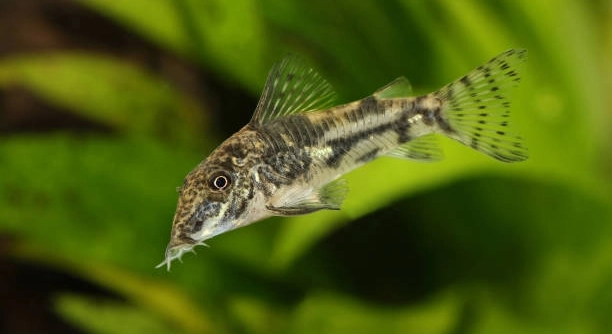
Corydoras catfish are popular aquarium fish known for their peaceful nature and active bottom-dwelling habits. However, they are highly sensitive to water quality changes. Maintaining a stable and clean environment is crucial for their health and well-being.
Corydoras catfish are sensitive to water quality changes because their gills and skin can easily absorb toxins, and they are more vulnerable to fluctuations in temperature, pH, ammonia, nitrites, and nitrates. Poor water quality can cause stress and illness.
Understanding the factors that affect Corydoras catfish will help you create a healthier environment for them. Learning about their sensitivities can improve their long-term care.
1. Water Temperature and Rapid Fluctuations
Corydoras catfish are extremely sensitive to temperature changes in their environment. These fish thrive in stable, warm water that typically ranges from 72°F to 78°F. When temperatures shift too quickly, whether due to sudden changes in the room temperature or inconsistent heaters, it can stress the fish. Sudden drops or spikes can cause problems with their metabolism and immune system, making them more prone to illness.
Temperature stability is key for maintaining healthy Corydoras. They need a reliable heater and thermometer to monitor and adjust the tank temperature. A sudden drop can also reduce oxygen levels, which directly impacts the fish’s breathing and overall health.
Maintaining the right temperature range is essential for Corydoras to feel comfortable and thrive. If you’re planning to add any equipment or modify the setup, always double-check the temperature stability. This helps avoid shock, and keeps them from feeling stressed or at risk.
2. Ammonia and Nitrate Sensitivity
Ammonia and nitrates are toxic to fish, and Corydoras are particularly vulnerable to even small amounts.
These toxins can build up in the water if the filtration system isn’t working properly. Corydoras are sensitive to this buildup because their gills are easily irritated by chemical changes in the water.
Poor water quality can cause skin and gill damage, leading to difficulty breathing, stress, and a weakened immune system. To keep your Corydoras healthy, invest in a good filtration system that regularly cleans the tank water. Regular water changes and testing the water quality frequently can prevent harmful toxin buildup. Be sure to check ammonia and nitrate levels consistently to keep your fish safe. Proper filtration ensures their well-being and helps maintain the natural balance needed for a healthy aquarium.
3. pH Level Instability
Corydoras catfish need a stable pH level, typically between 6.0 and 7.5. Sudden shifts can stress them out, weakening their immune system. A major change in pH levels often occurs with improper water changes or lack of regular maintenance.
Monitoring the pH of the water is essential for keeping Corydoras happy and healthy. If the pH fluctuates too quickly, it can cause them to become lethargic and may even lead to long-term health problems. Using a reliable pH testing kit and adjusting the water gradually when necessary can help prevent harmful shifts.
Aquarium plants, substrate, and decorations can also affect pH levels. Hardwater or softwater can influence the acidity of the water. Always test both before and after water changes to ensure the pH is stable. Maintaining a consistent pH is critical for your Corydoras to thrive in a comfortable environment.
4. Water Hardness
Water hardness refers to the amount of dissolved minerals like calcium and magnesium. Corydoras prefer soft to moderately hard water, as too much hardness can negatively impact their health.
Hard water can cause issues for their sensitive gills and skin, leading to irritation. They are more likely to develop skin ulcers, stress, or respiratory problems if the water is too hard. Keeping the water soft or moderately hard within the appropriate range is essential for their comfort.
To manage water hardness, use a water softener or reverse osmosis (RO) system if necessary. If you’re unsure about your water hardness levels, test the water regularly. Make sure to adjust the hardness gradually. Consistency is key to keeping your Corydoras in a healthy, thriving environment. This small effort can prevent a lot of unnecessary stress for your fish.
5. Poor Filtration System
A weak or faulty filtration system leads to poor water circulation and waste buildup. Corydoras are bottom dwellers and need clean, well-oxygenated water to thrive. Without proper filtration, harmful toxins and debris accumulate quickly.
To avoid this, make sure your filter is suitable for your tank size and properly maintained. Regularly clean the filter, checking for clogs and inefficiency. An effective filtration system keeps the water clear and prevents dangerous chemical buildup that could harm your fish.
Investing in a good filtration system makes a significant difference in water quality. This helps keep your Corydoras safe from unnecessary stress or illness caused by poor tank conditions.
6. Inconsistent Water Changes
Regular water changes are vital to maintain the health of your tank and fish. If water changes are inconsistent, harmful chemicals can build up, causing stress to your Corydoras.
Changing 20-25% of the water every 1-2 weeks helps ensure that water remains clean. Use a water conditioner to neutralize chlorine or chloramine. Testing the water beforehand helps you track the exact parameters and make any necessary adjustments.
Frequent water changes reduce the risk of toxins accumulating, making it easier for your fish to thrive in a stable environment. This is a simple but crucial part of maintaining a healthy tank.
7. High Levels of Nitrites
Nitrites are another dangerous substance that Corydoras can’t tolerate. High nitrite levels stress fish, affecting their ability to breathe and causing long-term health issues.
Test the water regularly for nitrites, especially in new tanks that are still going through the nitrogen cycle. If nitrite levels are high, perform an immediate water change and check the filtration system. Be sure to remove any uneaten food, as it can contribute to this toxic buildup. Maintaining a balanced ecosystem in the tank helps prevent nitrite spikes, ensuring your fish are not at risk.
FAQ
How can I maintain stable water conditions for my Corydoras?
To keep your Corydoras healthy, it’s crucial to maintain consistent water conditions. Use a reliable thermometer to monitor temperature, keep it between 72°F and 78°F, and invest in a quality filtration system. Regular water changes (20-25% every 1-2 weeks) help to remove waste and prevent toxins from building up. Always test for ammonia, nitrites, nitrates, pH, and hardness regularly, and make adjustments as needed. Avoid any sudden changes to the water, as Corydoras are highly sensitive to these fluctuations.
What is the best filter for Corydoras?
Corydoras are bottom-dwelling fish, so it’s important to have a filter that provides gentle water movement. A sponge filter or a low-flow hang-on-back (HOB) filter is ideal, as it won’t create too much current for them to handle. The filter should also be able to handle the size of your tank and the bioload. Be sure to maintain it regularly by cleaning the filter media and checking for any clogs to ensure optimal performance. A good filtration system helps keep your Corydoras safe from water quality issues.
Can Corydoras live with other fish?
Yes, Corydoras are peaceful and can live well with other non-aggressive species. They do best in community tanks with similar water conditions and temperaments. Avoid keeping them with large, aggressive fish that may chase or harm them. Other peaceful bottom-dwelling fish or species that thrive in similar water parameters, like tetras or livebearers, can make great tankmates. Always research the specific needs of each species to ensure compatibility and prevent stress.
What is the ideal tank size for Corydoras?
Corydoras can live in a variety of tank sizes, but the minimum recommended size is a 20-gallon tank for a small group of 3-6 fish. A larger tank is always better as it allows more swimming space and a more stable environment. The key is to maintain proper water quality and filtration, which is easier to manage in a larger tank. Corydoras enjoy being in groups, so make sure there’s enough space for them to feel comfortable.
How often should I clean my Corydoras tank?
Cleaning your Corydoras tank regularly is important for maintaining water quality. Perform water changes every 1-2 weeks, changing 20-25% of the water each time. Clean the substrate and remove uneaten food or debris to prevent the build-up of waste. Make sure to clean the filter as well, but be gentle to avoid removing beneficial bacteria. Always test the water parameters before and after cleaning to ensure that the tank’s conditions are still optimal for your fish.
Can Corydoras tolerate hard water?
Corydoras are sensitive to water hardness, preferring soft to moderately hard water. Extremely hard water, with a high concentration of calcium and magnesium, can cause stress and irritate their gills and skin. It’s important to check the hardness of your water regularly and adjust it if needed. If your water is too hard, consider using a water softener or reverse osmosis system to lower the hardness. Keeping the water within their ideal range (3-12 dGH) ensures a healthier, more comfortable environment for your Corydoras.
What do Corydoras eat?
Corydoras are bottom feeders and prefer a diet that includes sinking pellets, live or frozen foods like bloodworms, and some occasional plant matter. They may also eat leftover food that sinks to the bottom of the tank. Provide a balanced diet to ensure they are getting all necessary nutrients. Avoid overfeeding, as uneaten food can contribute to poor water quality. Offer a variety of foods to keep them healthy, and always ensure that food sinks to the bottom, where they prefer to forage.
Why are my Corydoras not eating?
If your Corydoras aren’t eating, it could be due to water quality issues or stress. Check the water parameters to ensure that they are within the proper range. Poor water quality, temperature fluctuations, or high levels of ammonia and nitrites can cause them to lose their appetite. Stress from aggressive tankmates or sudden environmental changes can also affect their eating habits. If their lack of appetite persists, check for any signs of illness, and consider consulting with an aquarium professional to address the problem.
Can Corydoras survive without a filter?
While Corydoras can technically survive in a tank without a filter, it is highly discouraged. A filter is essential for maintaining water quality by removing waste, debris, and toxins. Without a filter, harmful substances like ammonia, nitrites, and nitrates can build up quickly, leading to stress and health problems. If you do not have a filter, you would need to do very frequent water changes—at least every 2-3 days—to keep the water clean. It’s always better to use a filter to help maintain a stable and healthy environment for your Corydoras.
How do I know if my Corydoras is stressed?
Stressed Corydoras may display signs like swimming erratically, hiding more than usual, or rubbing against objects in the tank. They might also appear lethargic, stop eating, or develop unusual behavior. Stress is often caused by poor water quality, rapid temperature fluctuations, overcrowding, or incompatible tankmates. If you notice signs of stress, immediately check the water quality and parameters. It’s important to address the issue quickly to prevent further harm to your Corydoras.
Are Corydoras sensitive to light?
Yes, Corydoras are sensitive to bright lighting. They prefer dimmer lighting, as they are naturally more active in low-light conditions. Excessive light can stress them out, leading to hiding or lethargic behavior. Consider using a gentle aquarium light and provide hiding spots like plants or decorations to create a more comfortable environment for them. If your tank is exposed to direct sunlight, it can cause temperature fluctuations, so try to keep your aquarium in a shaded area to maintain stability.
Final Thoughts
Corydoras catfish are delicate creatures that require careful attention to water quality. They are sensitive to even small changes in their environment, which means their tank must be maintained with regular water changes and proper filtration. These fish thrive in stable conditions, so keeping their water parameters, like temperature, pH, and hardness, within the right range is key to their health. Without proper care, Corydoras can become stressed, which weakens their immune system and makes them more prone to illness.
The most important factors for maintaining healthy Corydoras include monitoring ammonia, nitrites, and nitrates levels, ensuring a steady temperature, and offering a balanced diet. Their peaceful nature and bottom-dwelling habits make them great additions to community tanks. However, they are not as resilient as other species, so any issues with water quality, such as poor filtration or high toxin levels, can have serious consequences. Understanding these sensitivities helps prevent problems before they arise, ensuring your Corydoras can thrive for years to come.
By maintaining a clean and stable tank, you’re providing an environment where Corydoras can be active and happy. They are not only a joy to watch but also contribute to a balanced aquarium ecosystem. Regular testing of water conditions, careful feeding, and choosing compatible tankmates will make a big difference in their well-being. With the right setup and consistent care, Corydoras will remain healthy and continue to bring charm to your aquarium.

Hello,
If you enjoy the content that we create, please consider saying a "Thank You!" by leaving a tip.
Every little bit helps us continue crafting quality advice that supports the health, happiness, and well-being of pets around the world, for pets of all shapes, sizes, and species.
We really appreciate the kindness and support that you show us!