
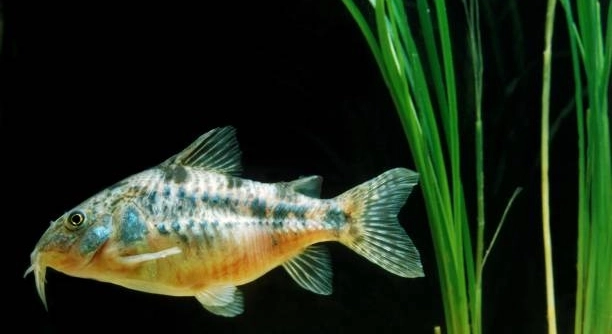
Is your Corydoras catfish spending more time hiding than swimming freely around its tank? These shy bottom dwellers can be hard to read. Knowing if they feel safe and comfortable can help you better care for them.
A Corydoras catfish is likely comfortable when it shows active schooling behavior, explores its environment often, maintains a healthy appetite, and displays bright, consistent coloration. These behaviors signal reduced stress and a stable, well-maintained aquarium setting.
Noticing subtle changes in behavior or movement can help you spot discomfort early. Let’s go over the key signs that show your Corydoras is feeling right at home.
Signs Your Corydoras Catfish Feels Comfortable
When Corydoras catfish feel safe in their environment, they show several clear behaviors. One of the most noticeable signs is active swimming, especially when they move around together in small groups. They often explore the bottom of the tank and sift through the substrate. Healthy Corydoras also rest calmly, either in open areas or under decorations, without hiding for long periods. Their coloring stays vibrant, and their body looks smooth and clean. You may also notice them coming to the glass when you approach, showing they are not stressed by your presence. They should have a healthy appetite, accepting food eagerly during feeding times. Breathing should be steady, not too fast or labored. Gentle interactions with other fish and a peaceful response to tank activity are also signs of comfort. These behaviors can give you confidence that your fish is living in a well-maintained and low-stress habitat.
Active schooling and peaceful exploration are two simple ways to tell your Corydoras is happy and secure in its tank.
You may also notice them doing a “wiggle dance” in the water when they’re excited. This type of playful movement often happens during feeding or after a water change. It’s a positive sign.
When Something Feels Off
If your Corydoras is hiding all the time, breathing fast, or showing faded colors, it might not be feeling comfortable.
Stress can build from poor water conditions, lack of proper tank mates, or sudden changes in temperature or lighting. Corydoras are sensitive and prefer consistency. Too much noise, handling, or aggressive tank mates can make them anxious. They also don’t enjoy being alone, so keeping them in small groups of at least six helps reduce stress. A healthy tank has clean water, soft lighting, smooth substrate, and plenty of places to rest. Adding live plants or hiding spots helps them feel safer. Watch their swimming—if they stop exploring, float oddly, or dash quickly to the surface often, something may be wrong. Also, if one fish becomes isolated from the group or refuses to eat, it’s a red flag. By observing your Corydoras daily, you can catch these early signs and adjust things before they turn into bigger issues.
How Tank Setup Affects Comfort
Corydoras feel most comfortable in tanks with soft substrate, clean water, and low to moderate lighting. Sharp gravel can hurt their delicate barbels, so smooth sand is best. A proper setup supports their health and reduces stress.
Good filtration helps maintain stable water parameters, which is important for Corydoras. Keep ammonia and nitrite at zero, and nitrates as low as possible. A steady temperature between 72°F and 78°F works well. Include live or silk plants, driftwood, and hiding spaces to give them security. They enjoy low-flow water and dim lighting. Too much current or light can make them hide more. A tank that mimics their natural habitat helps them behave normally and stay active. Regular cleaning and water changes also keep them healthier and more comfortable in the long run. Even small changes to their setup can make a big difference in how they act and feel.
Corydoras also rely on space. Overcrowding makes them anxious, while too much open space without cover can leave them exposed. A 20-gallon tank or larger gives a group room to swim and explore. Spread decorations across the tank to encourage activity in all areas, not just one corner. Balanced design supports healthy behavior.
The Role of Tank Mates
Corydoras do well with peaceful fish that won’t compete for food or harass them. Avoid aggressive or overly active species that can cause stress or injury.
They are social and thrive in groups of their own kind. Keeping at least six Corydoras together helps them feel safe and promotes natural schooling behavior. Good companions include small tetras, rasboras, and peaceful livebearers. Avoid cichlids, large barbs, or fast swimmers that may startle them. If Corydoras are chased or pushed aside during feeding, they’ll stay hidden more often. Watch how other fish behave and adjust if needed. Adding more plants and hiding spots can help reduce any tension in the tank. Choosing the right mix of fish allows your Corydoras to relax, stay visible, and interact normally. A calm, respectful tank environment makes a big difference in how secure they feel daily.
Feeding Behavior as a Sign
A comfortable Corydoras will eat steadily and show interest during feeding time. They often sift through the substrate with their barbels, searching for food. If they ignore food or eat less, something might be wrong in the tank.
Overfeeding or leftover food can cause poor water quality, which stresses them. Feed small amounts and watch them eat. Use sinking pellets, and make sure food reaches the bottom where they feed. A healthy appetite is a strong sign of comfort.
How Lighting Impacts Behavior
Corydoras prefer dim or subdued lighting, especially in tanks without much cover. Bright lights can make them nervous and less active. Use floating plants or decorations to diffuse light. Low light encourages natural behavior like foraging and social swimming.
Watching for Social Interaction
When Corydoras feel safe, they stay close to each other and move in small groups. Loneliness or isolation may be a sign of stress.
FAQ
How can I tell if my Corydoras is stressed?
Stress in Corydoras can be noticeable through several behaviors. If your fish is constantly hiding, not interacting with the group, or swimming erratically, these are signs of stress. You might also notice faster breathing or loss of coloration. A stressed Corydoras may avoid food or refuse to eat entirely. It’s important to check water quality, tank mates, and environmental factors like light and temperature when you notice these signs.
Why is my Corydoras staying at the top of the tank?
Corydoras are bottom dwellers by nature, so if yours is spending too much time at the top, it could indicate water quality issues. Low oxygen levels, high ammonia, or improper temperature can drive them to the surface. Check your filtration system and perform a water change to improve conditions. Ensure the water parameters are in the ideal range (pH 6.5-7.8, temperature 72°F-78°F). If problems persist, test for potential toxins in the water.
Is it normal for Corydoras to hide?
It’s completely normal for Corydoras to hide, especially when they’re adjusting to a new tank or feeling slightly stressed. However, if they are constantly hiding and avoiding social interaction, it could be a sign that something isn’t quite right. Ensure that the tank is well-decorated with hiding spots, but don’t overcrowd it. Keep an eye on their behavior and environment to ensure they’re comfortable.
How do I know if my Corydoras is happy?
Happy Corydoras will actively swim around the bottom of the tank, exploring and interacting with other fish. They should show bright, vivid coloring and healthy fins. A Corydoras that is comfortable will be social, eating regularly, and displaying natural behaviors like sifting through the substrate. If they are swimming around freely and without hesitation, it’s a clear sign of comfort.
Can Corydoras be kept alone?
Corydoras are social fish and thrive in groups. While it is possible to keep a single Corydoras, it’s not ideal. These fish feel safer and more comfortable in groups of at least six. Being alone can lead to stress and health problems over time. If you have a smaller tank, try to add at least three Corydoras to keep them company.
What tank conditions are best for Corydoras?
Corydoras thrive in a well-maintained tank with soft, sandy substrate, plenty of hiding spaces, and stable water conditions. The water should be clean and well-filtered, with low-to-moderate flow. Temperature should be between 72°F-78°F, and the pH should range from 6.5 to 7.8. Make sure to perform regular water changes and monitor the tank’s parameters for consistency.
Can Corydoras live with other species?
Yes, Corydoras can live with many peaceful species, including tetras, rasboras, and guppies. However, they should not be kept with aggressive fish like cichlids or large barbs. Corydoras can also feel intimidated by overly active species. Keeping them with calm, slow-moving fish helps ensure a peaceful tank. Always make sure there’s enough space and resources for everyone in the tank.
Why is my Corydoras not eating?
If your Corydoras isn’t eating, it could be due to stress, water quality issues, or the food you’re offering. Check the water parameters and make sure they’re within the ideal range. Corydoras also prefer sinking pellets or live food like worms. If they’re stressed, they may refuse food, so creating a calm environment can help. If your fish continues to not eat, consider seeking advice from a veterinarian or experienced aquarium keeper.
How often should I feed my Corydoras?
Corydoras should be fed small amounts once or twice a day. Overfeeding can lead to water quality issues, as leftover food can pollute the tank. Feed them sinking pellets, but occasionally supplement with frozen or live food like brine shrimp or bloodworms. Ensure that food reaches the bottom of the tank where they forage.
Can I use a filter with Corydoras?
Yes, a filter is essential for keeping the water clean and healthy for your Corydoras. However, it’s important to choose a filter with adjustable flow, as Corydoras prefer low to moderate water movement. A strong current can stress them out and make them avoid certain areas of the tank. A sponge filter is often recommended for tanks with bottom-dwelling fish like Corydoras.
Do Corydoras need a lot of space?
Corydoras don’t require vast amounts of space, but they do need room to swim and explore. A tank that is at least 20 gallons is ideal for a small group of Corydoras. If you plan on keeping multiple species or have other fish, you should provide more space. Keeping the tank properly stocked and balanced will allow your Corydoras to feel comfortable and healthy.
Why is my Corydoras swimming upside down?
If your Corydoras is swimming upside down or struggling to stay upright, it could be suffering from a swim bladder issue. This condition may be caused by overfeeding, poor water quality, or injury. To address this, ensure that your water parameters are correct and avoid overfeeding. If the problem persists, consider consulting an aquarium vet to determine if further treatment is needed.
Final Thoughts
Corydoras catfish are resilient, peaceful fish that can thrive in a variety of setups when their basic needs are met. Ensuring their comfort requires a few key elements, like stable water conditions, proper tank mates, and a well-maintained environment. When their space feels safe and secure, Corydoras will show their natural behaviors, swimming freely and socializing with other fish. You can easily tell if they are happy or stressed by paying attention to their actions. Healthy Corydoras are active, curious, and have vibrant coloring.
While Corydoras can tolerate some changes, they are sensitive to water quality. Maintaining clean, well-filtered water is crucial for their health and comfort. The tank’s setup also plays a large role in their well-being. Avoid harsh lighting and use a soft substrate like sand to protect their delicate barbels. Adding plants and hiding spots makes them feel more secure and encourages natural behaviors, like foraging and exploring. Keeping them in groups of at least six will help them feel less stressed and more confident in their environment.
Corydoras are social creatures and will thrive in tanks with compatible, peaceful fish. It’s important to choose tank mates that won’t harass or compete aggressively with them. With the right environment, feeding routine, and proper care, Corydoras catfish can live happy and healthy lives. Keeping an eye on their behavior and being mindful of any changes will help you spot signs of discomfort early. With attention and consistency, your Corydoras will feel safe and content in their tank.

Hello,
If you enjoy the content that we create, please consider saying a "Thank You!" by leaving a tip.
Every little bit helps us continue crafting quality advice that supports the health, happiness, and well-being of pets around the world, for pets of all shapes, sizes, and species.
We really appreciate the kindness and support that you show us!