
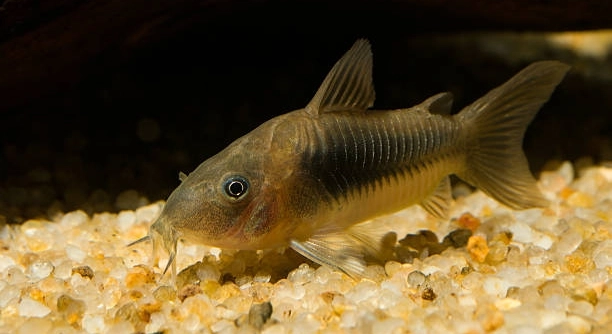
Corydoras catfish are popular aquarium fish, known for their peaceful nature and attractive appearance. Understanding when they are ready to breed can help you prepare and create the ideal conditions for successful breeding.
The readiness of Corydoras catfish for breeding can be determined by several physical and behavioral signs. These include changes in behavior, coloration, body shape, and interaction with other fish. Recognizing these signs ensures proper breeding conditions.
Recognizing these signs will make breeding your Corydoras catfish more manageable and rewarding. You’ll learn what to look for to create the right environment for them to thrive.
Physical Changes in Your Corydoras Catfish
When a Corydoras catfish is ready to breed, you may notice some noticeable physical changes. The female’s body will often become rounder as she fills with eggs. The males, on the other hand, may become slimmer and more active, displaying a more intense interest in the females. During breeding season, males typically exhibit a more pronounced coloration, with their fins appearing brighter. These physical changes are natural signs that indicate your catfish are preparing to breed.
It is essential to keep an eye on your catfish for these subtle differences. These changes signal the right time to prepare their environment for breeding.
By observing these signs closely, you can create the optimal conditions for successful breeding. The more aware you are of their physical transformation, the better you’ll be able to ensure they are comfortable and ready to spawn.
Behavior and Interactions
As Corydoras catfish approach breeding, their behavior also shifts significantly. Males may begin to chase females, nudging them gently with their heads. These interactions help stimulate the female’s readiness to release her eggs. You might see males swimming closely beside the females, nudging and gently pushing her toward suitable breeding spots, such as plants or substrates in the tank. The increased activity levels are a clear indicator that the fish are preparing for mating.
Additionally, females may become less active and more reserved during this time. They might seek out areas with low flow, where they can lay eggs undisturbed. These behavioral patterns are easy to spot and indicate that your catfish are preparing for the breeding process. Recognizing these signs early will help you ensure a smooth breeding experience for your Corydoras. The more prepared you are, the more successful the breeding process will be.
Changes in Water Conditions
Changes in water conditions can be a strong sign that your Corydoras catfish are ready to breed. Temperature fluctuations and water changes often trigger breeding behavior. They prefer slightly warmer temperatures of around 78–80°F, which encourages spawning. A drop in water hardness also plays a role in preparing the fish for breeding.
By adjusting the water conditions, you can create an environment conducive to breeding. For example, slight water changes can simulate seasonal conditions that Corydoras catfish respond to in the wild. These water condition shifts not only stimulate the breeding process but also ensure that the fish feel comfortable enough to spawn.
If you aim to trigger breeding, make sure the water is soft and clean. Filtration should be efficient, as the fish do not tolerate poor water quality. Optimal water conditions help make your tank an ideal breeding ground for the Corydoras catfish. Keeping the water clean and at the right temperature will create an atmosphere in which your fish can thrive and reproduce.
Tank Setup for Breeding
For successful breeding, Corydoras catfish need a well-planted tank with plenty of hiding spots. Soft plants, such as Java moss, provide the ideal surface for the female to lay her eggs. You may also want to add a substrate like fine gravel or sand to mimic their natural environment. This setup ensures the fish feel safe while laying eggs.
In addition to the plants and substrate, ensure there is adequate water flow. Corydoras do not like strong currents, so aim for a gentle filter system that provides water movement without creating turbulence. The right balance between water movement and stability will give your fish the perfect conditions for breeding. Keeping the tank setup in mind will lead to a more successful breeding experience.
The more natural the environment feels, the better your chances of encouraging your Corydoras catfish to breed. With the right combination of plants, substrate, and water flow, you can create the ideal breeding ground that makes the process smooth and stress-free for your fish.
Male and Female Behavior Differences
Male Corydoras catfish will often display increased activity and chase the females, trying to get their attention. Males swim alongside the females, nudging and following them closely. These interactions increase as the breeding season approaches. The males will also exhibit brighter colors and more aggressive behavior.
Females, on the other hand, become rounder as they fill with eggs. They tend to become less active and more reserved, preferring calm areas of the tank. While the males display their vibrant colors, the females focus on finding a suitable place to lay their eggs.
Egg Laying Process
Once mating is successful, the female will lay her eggs in the areas with soft plants or substrate. She typically deposits the eggs in small groups. The male will then fertilize them, ensuring successful reproduction. These eggs are sticky and will attach to the surfaces where the female laid them.
The egg laying process usually takes a few hours, depending on the size of the female and the number of eggs. As the female deposits the eggs, she may continue to search for the best spots to lay more. You can assist by providing enough hiding spots for the eggs to stay safe.
Spawning Tank Setup
If you’re looking to increase the chances of successful breeding, consider setting up a separate spawning tank. This smaller environment allows you to control the water parameters and prevent any disturbances from other fish. A spawning tank should contain a soft substrate and plants for the eggs.
FAQ
How long does it take for Corydoras catfish to breed?
Breeding Corydoras catfish typically happens over a few days. Once the male and female are ready, the process of egg-laying and fertilization can take several hours. After the eggs are fertilized, they usually hatch within 3 to 7 days, depending on the water temperature. Warm water speeds up the process.
What are the signs that my Corydoras catfish are ready to breed?
Corydoras catfish show several signs when they are ready to breed. The males become more active and display brighter colors. The female’s body also becomes rounder as she fills with eggs. Both genders engage in more social behavior, with males chasing the females.
Do I need to separate Corydoras for breeding?
It is not strictly necessary to separate your Corydoras catfish for breeding, but doing so can help ensure a more controlled environment. Moving them to a separate breeding tank can prevent other fish from disturbing the process. It also allows you to better control water parameters for breeding.
Can Corydoras catfish breed with other fish?
Corydoras catfish do not breed with other species. They will only breed with other Corydoras of the same species. It’s important to ensure you have a compatible male and female in order to achieve successful breeding. Mixing species could lead to stress or unsuccessful mating attempts.
How can I tell if the eggs are fertilized?
Fertilized Corydoras eggs are usually clear with a slight white dot in the center, which develops into an embryo. Unfertilized eggs appear opaque and may develop a white fuzz, often indicating fungus. You can remove unfertilized eggs to prevent them from affecting the healthy ones.
What should I do with the eggs once they are laid?
Once the eggs are laid, it’s essential to keep the tank clean and monitor them closely. You can leave them in the tank or move them to a separate breeding tank with optimal conditions. Maintain good water quality to prevent fungal growth.
Do Corydoras catfish need special care during breeding?
During breeding, Corydoras catfish do not require much special care. However, providing a calm environment, optimal water conditions, and hiding spots for egg laying can ensure the process goes smoothly. A separate breeding tank can reduce stress and improve the chances of successful breeding.
What water parameters are ideal for breeding Corydoras catfish?
The ideal water parameters for breeding Corydoras catfish include a temperature of 78–80°F, soft water with a pH between 6.5 and 7.5, and low to moderate water hardness. Slight changes in these parameters, like a small water change or increased temperature, can trigger breeding behavior.
How do I protect Corydoras eggs from fungus?
To protect Corydoras eggs from fungus, consider adding an antifungal treatment to the water. Also, removing any unfertilized eggs helps prevent the spread of fungus. If you have a separate breeding tank, make sure the water quality remains high, and that eggs are not overcrowded.
How often do Corydoras catfish breed?
Corydoras catfish breed a few times a year, depending on the conditions in their environment. During breeding seasons, you may notice several attempts over a span of days or weeks. These fish typically spawn multiple times to increase the chances of successful fertilization.
Do Corydoras catfish eat their eggs?
In most cases, Corydoras catfish do not eat their own eggs. However, if they are in a communal tank with other fish, there’s a higher chance that eggs may be eaten. If you are concerned about egg safety, it’s a good idea to move them to a separate tank for hatching.
How can I tell if my Corydoras catfish are stressed?
Stress in Corydoras catfish can be observed through signs like hiding, erratic swimming, loss of appetite, or dull coloration. Overcrowded tanks, poor water quality, and incompatible tank mates can contribute to stress. If your fish are stressed, it can affect their ability to breed.
What do I do if my Corydoras catfish aren’t breeding?
If your Corydoras catfish aren’t breeding, try adjusting the water temperature slightly or performing a water change. You might also consider moving them to a breeding tank where they can be more comfortable. Check their diet to ensure they’re receiving a balanced, nutritious food source.
What happens after the eggs hatch?
After hatching, the Corydoras fry are very small and require special care. They will initially feed on their yolk sac but eventually need finely crushed food or specialized fry food. Keep the water clean and provide a gentle flow to support their development.
Can I use a sponge filter in a breeding tank?
Yes, sponge filters are ideal for breeding tanks. They provide gentle filtration, which is important for young fry. Sponge filters won’t suck up the small fry, and they ensure that water remains clean without disturbing the eggs or fry.
How do I raise Corydoras fry?
Raising Corydoras fry involves providing clean water, proper food, and adequate hiding spots. As they grow, gradually introduce slightly larger food, like micro-worms or baby brine shrimp. Ensure the tank conditions are stable, with a gentle filter and appropriate water parameters.
Final Thoughts
Breeding Corydoras catfish can be a rewarding experience for aquarium owners who understand the needs of these fish. Their breeding process, while natural and instinctual, requires attention to detail and a calm, stable environment. By recognizing the signs of readiness and preparing the right conditions, you increase the chances of successful breeding. It’s important to maintain good water quality, provide appropriate hiding spots for the eggs, and consider a separate breeding tank to reduce stress on the fish.
While Corydoras catfish are relatively easy to breed, there are still challenges, such as managing the eggs and ensuring that they are fertilized properly. Keeping the breeding tank clean is crucial to prevent fungus and to protect the developing eggs. The right water temperature, pH, and substrate are key elements that can help encourage breeding behaviors. Monitoring the fish closely during this time is essential to ensure the well-being of both the adult fish and the fry once they hatch.
In the end, breeding Corydoras catfish is not just about getting baby fish; it’s also about creating an environment where these animals can thrive and reproduce. Understanding their natural behavior and adjusting your tank setup to support their needs will improve your chances of a successful breeding experience. Whether you’re a beginner or have experience with aquarium care, taking these steps to ensure proper breeding conditions will help you achieve the best results for your Corydoras catfish.

Hello,
If you enjoy the content that we create, please consider saying a "Thank You!" by leaving a tip.
Every little bit helps us continue crafting quality advice that supports the health, happiness, and well-being of pets around the world, for pets of all shapes, sizes, and species.
We really appreciate the kindness and support that you show us!