
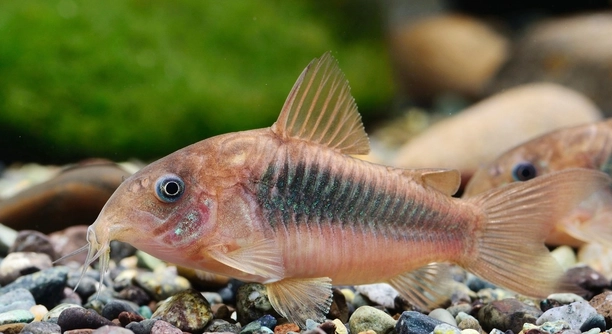
Corydoras catfish are popular freshwater fish that thrive in peaceful environments. However, when they experience stress, it can impact their health. It’s essential to recognize when they’re stressed so you can take action quickly.
Stress in Corydoras catfish is often caused by factors such as poor water quality, inadequate tank mates, or environmental changes. Recognizing early signs of stress can help prevent long-term damage and ensure the fish remains healthy and active.
Understanding how to spot the signs of stress will help you keep your Corydoras catfish in optimal condition.
7 Signs Your Corydoras Catfish is Stressed
Stress in Corydoras catfish can be hard to spot, especially since these fish are usually calm and peaceful. However, there are signs to look for that can indicate when they’re feeling stressed. By observing their behavior closely, you can address potential problems early and ensure your fish remains healthy.
One of the most common signs of stress is when your catfish starts to swim erratically. Normally, Corydoras move in a slow, calm manner, but stress can cause them to dart around the tank or hide more than usual. If this behavior becomes frequent, it’s time to check on the water quality and environment.
Another sign to watch for is changes in appetite. Stress can cause Corydoras to eat less or stop eating altogether. A loss of interest in food often signals that something is wrong in their environment, such as a shift in water parameters, or an incompatible tank mate.
Poor Water Quality Can Lead to Stress
Water quality plays a huge role in your Corydoras’ health. When the water is not properly filtered or maintained, toxins can build up, leading to stress. Regular water changes and testing water parameters are crucial to prevent this.
Inadequate filtration or high ammonia levels are common causes of poor water quality. Ammonia can irritate a fish’s gills and skin, causing discomfort and stress. If your Corydoras are showing signs of stress, testing the water should be your first step. Be sure to maintain a stable water temperature and ensure that the filtration system is strong enough for the size of your tank.
Changes in Tank Environment
Sudden changes to the tank environment can also cause stress in Corydoras. Whether it’s a change in water temperature, new decorations, or even rearranging the tank, fish can become unsettled. Corydoras are sensitive to these disruptions, and it’s important to make adjustments gradually.
To minimize stress, avoid frequent changes and give your fish time to adjust. If you need to move tank decorations or plants, try to do so slowly, one item at a time. Additionally, ensure that the tank’s temperature remains consistent and suitable for your Corydoras. A sudden fluctuation can cause them distress, affecting their health and behavior. Regularly checking these factors will help create a stable environment for your fish.
Aggressive Tank Mates Can Cause Stress
Tank mates play a significant role in the wellbeing of your Corydoras. If they share the tank with aggressive fish, it can lead to stress. Corydoras are peaceful and social, and they thrive in a calm community. Aggressive fish may chase or bully them, leading to anxiety.
When selecting tank mates for Corydoras, make sure they are peaceful and not territorial. Fish like tetras, rasboras, or peaceful gouramis work well with Corydoras. Avoid putting them with fin-nippers or overly aggressive species, as it could create a hostile environment, resulting in stress for your catfish. This can lead to a decrease in their activity levels, appetite, and overall health.
Overcrowding Can Lead to Stress
Overcrowding your tank is a major source of stress for Corydoras catfish. A crowded tank limits their swimming space, forcing them to compete for resources like food and hiding spots. This constant competition can lead to high levels of stress and health issues.
To prevent overcrowding, always ensure that your tank is appropriately sized for the number of fish you have. A general rule of thumb is to allow 1 inch of fish per gallon of water, though some species need more space. When adding new fish, make sure the tank can accommodate them without causing overcrowding. Giving your Corydoras more room to swim will help them stay healthy and less stressed.
Sudden Light Changes
Light changes, especially sudden increases or decreases, can stress Corydoras catfish. These fish are naturally more active during low light conditions, so bright lights can make them feel exposed and vulnerable. A constant shift in lighting can disrupt their daily rhythm and cause stress.
To avoid this, try to maintain a stable lighting schedule. Corydoras do well in tanks with soft, indirect lighting that mimics their natural environment. If you need to add new lighting or adjust the tank’s brightness, make gradual changes to prevent overwhelming your fish. A consistent light schedule will help keep your Corydoras relaxed and stress-free.
Incompatible Tank Mates
Corydoras catfish are peaceful by nature, and incompatible tank mates can cause unnecessary stress. Aggressive fish may chase or nip at them, leading to anxiety and fear. Avoid placing them with territorial or overly aggressive species to ensure they feel safe and secure in their environment.
When choosing tank mates, look for peaceful fish that won’t threaten your Corydoras. Smaller, non-aggressive fish like tetras or small rasboras are usually good companions. If there’s a mismatch, your Corydoras might become more reclusive or display unusual behavior, showing they are stressed. Make sure everyone gets along.
Lack of Hiding Spots
Corydoras catfish need plenty of hiding spots to feel secure. Without places to retreat to, they can become stressed and anxious. Providing caves, plants, and other decorations will help your fish feel comfortable in their tank.
To create an ideal environment, add hiding spots like rocks, plants, or driftwood. Corydoras often enjoy burrowing in the substrate as well, so providing a fine, soft substrate can help. Ensuring there are enough spots for all your fish will reduce stress and make them feel safer, especially when they need a break.
Temperature Fluctuations
Corydoras are sensitive to changes in water temperature. Fluctuations can lead to stress, affecting their immune system and overall health. Maintaining a stable water temperature is key to keeping them comfortable.
To avoid temperature changes, use a reliable heater and thermometer. Corydoras prefer water temperatures between 72°F and 78°F (22°C to 26°C). Sudden drops or increases in temperature can stress them out, causing sluggish behavior or hiding. By keeping the temperature steady, you ensure that your Corydoras remain calm and healthy in their environment.
FAQ
What are the most common signs of stress in Corydoras catfish?
Stress in Corydoras catfish can show in several ways. The most common signs include erratic swimming, hiding more often, loss of appetite, or reduced activity. If you notice that your Corydoras are swimming frantically or staying in one spot, it’s a clear indicator that something is off. They may also become more reclusive, seeking out hiding spots in the tank. Additionally, if they start to swim near the surface or at odd angles, this could indicate they are struggling with water quality or temperature issues.
How can I reduce stress in my Corydoras catfish?
To reduce stress, focus on maintaining a stable environment. This means regular water changes, testing water parameters like ammonia, nitrites, and pH, and ensuring your tank is properly filtered. Also, make sure your Corydoras have plenty of hiding spots in the form of plants or decorations. Avoid overcrowding the tank and provide appropriate tank mates to prevent bullying. Lastly, keep a consistent lighting schedule and maintain a stable water temperature. These steps can help create a calm environment that reduces stress.
Can water changes help relieve stress in Corydoras?
Yes, water changes can help relieve stress in Corydoras. Poor water quality is one of the leading causes of stress, as high ammonia or nitrite levels can be toxic to your fish. Regular water changes, typically 25-30% every week, help keep the water clean and safe. It also ensures that the pH and temperature remain stable. When performing water changes, try to match the new water’s temperature and pH to the tank’s current levels to avoid causing additional stress.
Why are my Corydoras hiding more than usual?
Hiding more than usual is a common sign of stress in Corydoras. It can be caused by various factors, such as poor water quality, aggressive tank mates, or environmental changes like temperature fluctuations. If your Corydoras are hiding frequently, start by testing the water and adjusting it if necessary. Ensure they have enough hiding spots and that the tank is not overcrowded. Check if their tank mates are causing any disturbances, as this can also lead to anxiety.
What tank mates are best for Corydoras catfish?
Corydoras catfish are peaceful and do best with other calm fish. Suitable tank mates include small tetras, rasboras, or peaceful gouramis. Avoid aggressive fish like cichlids or fin-nippers that may stress or bully them. Corydoras are social, so it’s also a good idea to keep them in groups of at least three or more to make them feel more secure. Ensuring compatibility among tank mates can greatly reduce stress levels.
How do I know if my Corydoras are sick or just stressed?
It can sometimes be difficult to tell the difference between sickness and stress, but there are key differences. Stress typically leads to changes in behavior, such as hiding more or swimming erratically. If your Corydoras are not eating or have visible injuries, swelling, or abnormal body color, they may be sick. Stress, on the other hand, usually resolves with improved tank conditions. However, prolonged stress can weaken their immune system, making them more susceptible to illness. It’s important to address stress factors early to prevent the onset of disease.
Can Corydoras catfish recover from stress?
Yes, Corydoras can recover from stress if the underlying cause is addressed. Providing a stable tank environment with clean water, proper temperature, and suitable tank mates is key to their recovery. Ensure that their tank is not overcrowded and that they have enough hiding spots. It may take some time for stressed Corydoras to regain their usual behavior, but with proper care, they can return to their calm, peaceful state.
How long does it take for Corydoras to recover from stress?
The recovery time for Corydoras depends on the severity of the stress and how quickly the stressors are removed. If the problem is minor, such as a slight water quality issue, they may recover in a few days. However, if the stress is due to more significant factors like overcrowding or incompatible tank mates, it could take several weeks for your Corydoras to fully recover. During this time, ensure they have a peaceful, stable environment to help them regain their health.
Can Corydoras stress affect their lifespan?
Chronic stress can have a negative impact on the lifespan of Corydoras. Prolonged stress weakens their immune system, making them more vulnerable to illness and disease. Additionally, constant stress can affect their behavior and eating habits, leading to malnutrition. By addressing stress factors early and maintaining a stable environment, you can help your Corydoras live a long, healthy life. Keeping stress levels low is key to ensuring their well-being and longevity.
What should I do if my Corydoras are constantly at the surface?
If your Corydoras are spending too much time at the surface, it could be a sign of poor water quality or low oxygen levels. Test the water for ammonia, nitrites, and oxygen levels, as these could be the cause. Ensure the tank is properly aerated with a filter or air pump to maintain oxygen levels. In some cases, surface-dwelling behavior can also indicate that the water temperature is too high or that they are stressed. Fixing the water parameters and ensuring a stable environment will help address this behavior.
Final Thoughts
Corydoras catfish are generally hardy and peaceful fish, but like any aquarium species, they can experience stress. Recognizing the signs of stress early is crucial to preventing long-term health issues. Key stress indicators include hiding more often, erratic swimming, reduced appetite, or becoming lethargic. If these behaviors occur, it’s important to assess the environment and water quality to identify the potential causes. Ensuring that the tank conditions are optimal will help your Corydoras thrive and reduce stress levels.
Providing a stable and stress-free environment is essential for the well-being of your Corydoras catfish. This includes maintaining proper water quality, a consistent temperature, and avoiding aggressive or incompatible tank mates. Corydoras are social fish that do best in groups, so make sure to keep them in small schools to allow them to feel safe and less anxious. Proper tank décor, such as plants, rocks, or driftwood, can also provide hiding spots where they can retreat when they need a break.
Addressing stress in Corydoras is an ongoing process, and keeping track of water quality and overall tank health will ensure they live a long, healthy life. Regular water changes, proper feeding, and monitoring their behavior will help you catch any signs of stress early. If stress persists, it might be helpful to consult an aquarium expert or vet to further investigate and find solutions. By creating the right environment and understanding the needs of your Corydoras, you can provide them with a peaceful and comfortable home.

Hello,
If you enjoy the content that we create, please consider saying a "Thank You!" by leaving a tip.
Every little bit helps us continue crafting quality advice that supports the health, happiness, and well-being of pets around the world, for pets of all shapes, sizes, and species.
We really appreciate the kindness and support that you show us!