
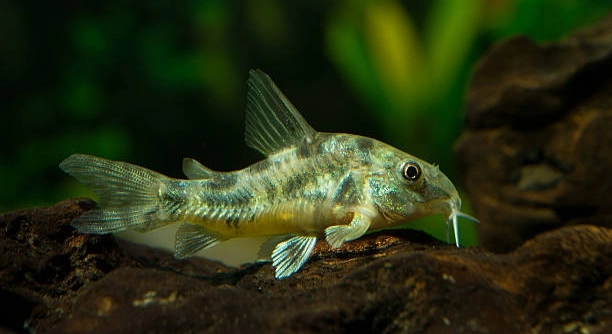
Is your Corydoras catfish swimming in tight circles around the tank, leaving you unsure if it’s normal or something to fix? This behavior can seem confusing, especially when everything else in the tank looks fine.
Corydoras catfish often swim in circles due to stress, environmental changes, mating behavior, or neurological issues. This behavior can also result from poor water quality, lack of stimulation, or sudden disturbances in their surroundings.
Several explanations help clarify this pattern, and understanding them can improve your Corydoras’ care and comfort in its home tank.
1. They’re Reacting to Stress in the Tank
Corydoras are sensitive fish, and stress can make them act in unusual ways, including swimming in circles. Common stress triggers include sudden changes in water temperature, pH imbalances, strong currents, or the presence of aggressive tank mates. Even small adjustments, like shifting decorations or loud noises near the tank, can disrupt their usual behavior. When stressed, they often display fast, repetitive movements as a way to cope. If this behavior is sudden and persistent, checking your water parameters and tank environment is a good first step. A peaceful, clean tank setup with plenty of hiding spots usually helps them feel secure again. It’s also important to keep their space predictable—routine maintenance, gentle handling, and quiet surroundings all contribute to a more stable environment.
Reducing tank stress helps your Corydoras feel safer and more at ease, which may reduce or stop the circling behavior.
Look for signs of other stress, like loss of appetite or frequent hiding, to catch problems early and adjust your tank care.
2. It’s Part of Their Social or Mating Behavior
Corydoras are social fish and often engage in behaviors that look odd but are completely normal. Swimming in circles can be part of their natural group activity or even linked to mating habits.
If your Corydoras are in a group, circling may be a way they communicate or establish bonds. It’s more common in healthy, active groups that are comfortable in their environment. During mating, males may chase females in repetitive loops, especially in the morning after a water change. This behavior is harmless and often temporary. Providing a soft substrate, plants, and plenty of hiding spaces encourages natural movement and keeps your fish stimulated in a healthy way. If the circling appears coordinated and isn’t accompanied by stress signals—like clamped fins or erratic breathing—it’s likely nothing to worry about. Watching their interactions over time can help you spot whether it’s a one-time event or something to track more closely.
3. They’re Reacting to Reflections in the Glass
Corydoras can mistake their own reflection for another fish, especially in tanks with bright lighting or bare glass walls. This often leads them to chase the reflection, causing circular or back-and-forth swimming patterns near the tank edges.
If the circling happens near specific tank walls or during certain times of day, reflections might be the reason. Try adjusting the tank lighting or placing a background or decoration on the outside of the glass to reduce reflections. Adding more plants or interior décor can also help break up sightlines and reduce their focus on the glass. Corydoras are naturally active and inquisitive, so creating a visually complex environment helps redirect their energy in better ways. Observing the timing and location of the behavior gives useful clues to confirm whether reflections are the cause. If addressed, this issue usually stops without requiring any major tank changes or treatments.
When reflections aren’t managed, the behavior can become a daily habit. Over time, repetitive pacing may cause wear on their barbels or even stress.
4. They’re Experiencing Poor Water Conditions
Water quality issues are a common cause of unusual fish behavior. If your Corydoras are swimming in circles, it could be their reaction to high ammonia or nitrite levels, low oxygen, or sudden changes in water chemistry.
Poor water conditions affect their ability to breathe and stay balanced. Corydoras are bottom dwellers, and they use their barbels to explore—dirty gravel or toxic buildup can irritate them, making them restless or frantic. Regularly test the water and do small, consistent water changes. Using a gentle filter and keeping the substrate clean makes a big difference. Avoid overfeeding and remove uneaten food quickly to prevent spikes in waste. A stable environment with the right temperature and pH helps them stay calm and active in normal ways. If water quality is the issue, fixing it usually stops the circling within a day or two.
When in doubt, test the water first—it’s the easiest way to rule out a major cause of stress or sickness.
5. They’re Adjusting After a Recent Change
Corydoras may swim in circles after being added to a new tank or following a big change in their setup. It’s a common way they explore or react to unfamiliar conditions.
This usually settles down after a day or two, once they feel more comfortable and the environment stabilizes.
6. They’re Lacking Enough Stimulation
Corydoras are active and curious. If their tank is too bare or doesn’t offer enough hiding spots, textures, or space, they may swim in circles out of boredom or frustration.
A well-decorated tank with soft plants, smooth rocks, and open space helps encourage natural, calm behavior and reduces repetitive movement.
7. They Have a Neurological or Health Issue
If none of the environmental causes apply, your Corydoras may be dealing with a health problem. Infections, head trauma, or genetic issues can cause them to swim in circles, often paired with other symptoms like tilted posture or twitching. Quarantine and observation may be needed.
FAQ
Why does my Corydoras keep swimming against the glass?
Corydoras may swim against the glass if they’re stressed, bored, or reacting to their reflection. If the tank is too small, under-decorated, or lacks stimulation, they’ll pace or press up against the walls looking for escape or interaction. Bright lights or bare backgrounds can make their reflection more noticeable, leading to repeated motion in the same area. Adding tank backgrounds, reducing lighting, or including more plants and decorations often helps break the pattern. It’s also good to check your water parameters—poor quality can make fish act unusually.
Is it normal for Corydoras to swim in circles when excited?
Yes, this behavior can be totally normal. Corydoras often dart around, swim in circles, or do quick loops when they’re excited—especially during feeding time or after a water change. It’s a natural reaction tied to their active nature and group behavior. If the tank conditions are right and there are no signs of stress or illness, circular swimming for a short time isn’t a cause for concern. Just make sure it’s not constant or paired with odd symptoms like gasping or clamped fins.
Can swimming in circles be a sign of illness?
In some cases, yes. If your Corydoras is swimming in tight, repetitive circles without stopping—or doing so while tilted or twitching—it might be dealing with a neurological issue, parasite, or internal infection. This kind of behavior is usually different from playful movement because it looks forced, erratic, or unbalanced. It’s best to isolate the fish, check water quality, and watch for other symptoms like changes in appetite, bloating, or damaged fins. If the problem continues, medication or help from a vet may be needed.
Should I be worried if only one Corydoras is swimming in circles?
It depends on how long the behavior lasts and whether it’s happening with other symptoms. One Corydoras swimming in circles could mean it’s reacting to something temporary, like a reflection or a sudden noise. But if the behavior is ongoing, and especially if that fish seems off in other ways, it’s worth checking. Isolate the fish, monitor it, and inspect the tank for anything unusual. It might be sick, injured, or not adjusting well to the tank environment.
Does tank size affect Corydoras swimming behavior?
Absolutely. Corydoras are active bottom dwellers and need enough space to roam and explore. If the tank is too small or overcrowded, they may pace or circle out of frustration. A cramped tank can also lead to poor water conditions, which make everything worse. Aim for a minimum of 20 gallons if you’re keeping a small group of Corydoras. Larger groups and mixed tanks need even more space. A bigger tank with hiding spots, open swimming zones, and soft substrate creates a more comfortable environment for them.
Can water temperature cause Corydoras to swim oddly?
Yes. Corydoras prefer temperatures between 72–78°F (22–26°C), and shifts outside this range can make them act strange. Water that’s too warm lowers oxygen levels, which can lead to erratic swimming or gasping near the surface. Water that’s too cold may slow them down, stress them out, or weaken their immune system. Always use a reliable heater and thermometer, and make temperature changes gradually. Sudden shifts—even a few degrees—can trigger strange behavior, including circling.
How do I calm a Corydoras that won’t stop circling?
Start by checking your water parameters—ammonia, nitrite, and nitrate levels should all be safe. Make sure the temperature, flow, and lighting aren’t too intense. Then look at their setup. Do they have places to hide? Are they alone or in a group? Corydoras do best in groups of at least six, so loneliness could be a factor. Try feeding them in a quiet moment or dimming the lights for a while. Sometimes they just need time to adjust, especially after a water change or tank rearrangement.
What’s the difference between playful swimming and stressed circling?
Playful swimming usually looks smooth, fast, and responsive. It might happen after feeding or when they interact with other fish. Stressed circling is more repetitive, intense, and often done near the same area, like a corner or glass wall. If your Corydoras shows stiff movement, tilted posture, or ignores food, those are signs something may be wrong. The context helps too—playful behavior usually comes and goes, while stressed movement can last longer and show up suddenly without a clear reason.
Can poor diet cause behavioral issues like circling?
A poor or unbalanced diet might not directly cause circling, but it can weaken your Corydoras and make them more sensitive to stress and disease. If they’re not getting enough variety—such as sinking pellets, occasional live or frozen foods, and plant-based options—they might become restless or lethargic. Overfeeding can also foul the water and create problems that lead to unusual swimming behavior. Keeping a balanced feeding schedule helps maintain both their health and their calm, social behavior.
Is this behavior more common in younger Corydoras?
Yes, younger Corydoras tend to be more active and exploratory. They’re more likely to swim around quickly or act playful, especially in a group. As they age, some may settle down a bit, but active swimming—circles included—is still fairly normal. The key is watching for changes. If your normally calm adult Corydoras suddenly starts circling nonstop, that might signal a problem. With younger ones, it’s often just part of their curious nature. As long as their health looks good and the tank is safe, it’s nothing to worry about.
Final Thoughts
Corydoras swimming in circles can mean many different things, and it helps to look at the full picture. Some circling is normal, especially when they’re active or excited. They may do it after a water change, during feeding, or while playing with tankmates. In these cases, the behavior is short and harmless. However, if the circling doesn’t stop, or it seems forced or unusual, it’s a good idea to look closer at the tank conditions. Water quality, temperature, tank size, and social interaction all play a role in how these fish behave. A quick test of the water and a check of their setup can reveal small problems before they grow.
It’s also important to watch for other signs. If circling comes with gasping, clamped fins, floating oddly, or hiding more than usual, it could be linked to stress or illness. These fish are sensitive to their environment, and even small changes can affect them. That’s why regular tank maintenance, gentle handling, and a stable routine matter. Corydoras feel more secure when they’re in a group of their own kind, have soft substrate under them, and enjoy some plants or decorations to explore. These little touches help reduce stress and support healthy behavior. If circling continues after making adjustments, consider isolating the fish for closer observation or getting advice from a fish care expert.
In the end, circling is not always a problem, but it should never be ignored. The more you observe your Corydoras, the easier it becomes to tell when something’s off. Try not to react too quickly or make large changes all at once. Small steps—like testing the water, checking for tankmates’ behavior, or adjusting lighting—can lead to better answers. Keep an eye on patterns, and trust your instincts when something doesn’t feel right. Corydoras are hardy, curious fish, and with the right setup and care, most unusual behaviors can be fixed before they become serious. Always focus on keeping their tank clean, calm, and consistent. That’s often the best way to support their health and stop behavior that feels out of place.

Hello,
If you enjoy the content that we create, please consider saying a "Thank You!" by leaving a tip.
Every little bit helps us continue crafting quality advice that supports the health, happiness, and well-being of pets around the world, for pets of all shapes, sizes, and species.
We really appreciate the kindness and support that you show us!