
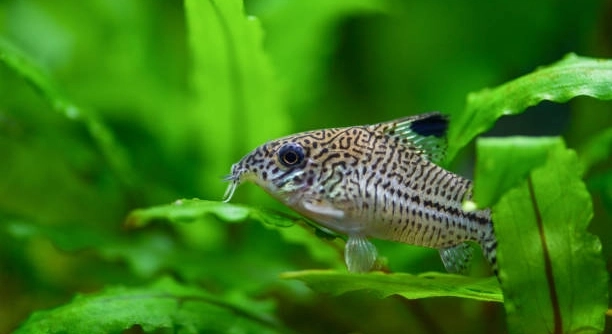
Corydoras catfish are known for their peaceful nature and love for the bottom of the tank. However, if you notice them swimming at the surface, it can be concerning. Understanding the reasons behind this behavior is important for their well-being.
There are multiple factors that could explain why your Corydoras catfish is swimming at the surface. The most common causes include poor water quality, insufficient oxygen levels, or even health issues. Understanding these triggers is essential for keeping your fish healthy.
There are simple ways to improve your tank’s conditions to keep your Corydoras comfortable and thriving. Understanding these causes will help you create a better environment for your fish and prevent future problems.
Poor Water Quality
One of the most common reasons for your Corydoras catfish swimming at the surface is poor water quality. Corydoras are sensitive to changes in their environment, particularly when ammonia, nitrites, or nitrates build up. High levels of these toxins can stress your fish, causing them to seek oxygen near the surface. When the water quality isn’t ideal, the oxygen content might also decrease, prompting your fish to look for better air circulation. It’s crucial to regularly check water parameters like pH, hardness, and temperature to ensure your fish remain comfortable.
Checking your tank’s filtration system regularly is also important. Make sure your filter is powerful enough to handle the tank’s size. Regular water changes can help maintain the balance of your tank and reduce the stress on your fish.
Proper maintenance, such as changing the filter media and cleaning the substrate, is key to keeping your water safe. If you notice your Corydoras consistently swimming at the surface, it’s a clear sign that something in their environment isn’t right. Improving water quality through testing, water changes, and ensuring proper filtration will likely resolve the issue.
Low Oxygen Levels
If your Corydoras catfish is swimming near the surface, low oxygen levels in the water might be to blame. Corydoras need well-oxygenated water to thrive.
When oxygen levels drop, the fish instinctively move to areas with better air circulation. This might be near the surface or near the filter output. To help, you can increase water movement with an air pump or adjust the filter flow to improve oxygen exchange. Also, having live plants in your tank helps oxygenate the water naturally.
Adding a few plants and improving water movement can prevent oxygen shortages. If your catfish is constantly at the surface, it’s a sign that there might be insufficient oxygen levels in the water. Consider making adjustments to your tank’s environment to encourage a healthier balance.
Temperature Fluctuations
Corydoras catfish are sensitive to sudden temperature changes. If the water is too hot or cold, they may swim at the surface to try to find a more suitable spot. Keeping a stable water temperature is key to their health.
It’s important to maintain a consistent temperature between 72°F and 78°F (22°C to 26°C). Sudden shifts, caused by factors like room temperature changes or heater malfunctions, can stress your fish. A reliable aquarium heater and thermometer will help keep things in check. Regularly check the temperature to ensure it stays within the ideal range.
Temperature fluctuations can weaken your fish’s immune system, making them more prone to illness. If your Corydoras is swimming at the surface, it’s worth checking the tank’s temperature and adjusting your heater if necessary. Keeping the temperature stable can help avoid unnecessary stress on your fish and prevent future issues.
Overcrowding
Overcrowding in your aquarium can lead to stress for Corydoras. When there are too many fish in the tank, it reduces the space available for each one, making it harder for your Corydoras to find peaceful spots. This could force them to swim at the surface in search of more oxygen or a less crowded area.
Corydoras prefer a calm environment, so it’s important to avoid cramming too many fish into a small space. A good rule of thumb is to allow about 2-3 gallons of water per fish, depending on the species. If the tank is overcrowded, it can lead to stress, poor water quality, and oxygen depletion.
If overcrowding is the issue, consider reducing the number of fish in your tank. Giving your Corydoras more room to swim will help them feel more comfortable and reduce stress-related behavior like swimming at the surface. This will also create a healthier environment for all the fish in the tank.
Health Issues
Illness can cause your Corydoras to swim at the surface. Common health issues like swim bladder disorder or parasites can interfere with their ability to move properly, leading them to the top.
If your fish seems lethargic or has trouble swimming, it could be a sign of illness. Check for other symptoms, like changes in behavior or appearance. Sometimes, minor health issues can be resolved with proper care, but if the behavior continues, consider seeking advice from a vet.
A quick examination and prompt action can prevent further complications. If your Corydoras shows signs of distress, addressing any potential health issues early on is essential for their recovery. Keeping the water clean and ensuring a balanced diet also helps boost their immune system.
Feeding Habits
Overfeeding or giving improper food can cause Corydoras to swim at the surface. Uneaten food can decay, lowering water quality and prompting your fish to seek better oxygen areas.
Make sure to feed your fish the right amount, ensuring they finish eating within a few minutes. Leftover food should be removed immediately to avoid water contamination. Feeding your Corydoras a balanced, nutritious diet is vital to their well-being.
Keeping feeding times consistent and giving them the proper food will help maintain a healthy tank environment. This also reduces the chances of water quality issues, making your Corydoras more comfortable and less likely to swim at the surface.
Tank Setup
Your Corydoras may swim at the surface due to an unsuitable tank setup. Corydoras prefer tanks with plenty of hiding places, stable water parameters, and a soft substrate.
If the tank is too barren or has sharp objects, your fish may feel stressed or unsafe, leading them to the surface. Providing decorations, plants, and a soft substrate can give them the comfort they need to stay grounded.
A well-set-up tank is essential for keeping your Corydoras happy and healthy. Proper tank conditions reduce stress, encourage natural behaviors, and prevent unwanted surface swimming.
FAQ
Why is my Corydoras catfish swimming at the surface all the time?
If your Corydoras catfish is consistently swimming at the surface, it could be due to several reasons. Poor water quality, low oxygen levels, or temperature fluctuations are common causes. These factors can stress your fish and make them seek out the surface where oxygen is more abundant. It’s important to test your water regularly, ensure the temperature remains stable, and check your filtration system. If you’ve ruled out these common causes, it could be a sign of health problems or overcrowding.
Can low oxygen levels cause Corydoras to swim at the surface?
Yes, low oxygen levels can cause Corydoras to swim at the surface. Corydoras are bottom dwellers, but they still require well-oxygenated water. When oxygen levels drop, they instinctively move to areas with more oxygen, often near the surface. You can improve oxygenation by adding an air stone, adjusting your filter to create more water movement, or adding live plants to increase oxygen exchange.
How can I fix poor water quality in my aquarium?
To fix poor water quality, start by checking the water parameters using an aquarium test kit. Make sure the ammonia, nitrites, and nitrates are within safe levels, as these toxins can harm your fish. Perform regular water changes, ideally 20-25% every week, and ensure your filter is working efficiently. You can also add beneficial bacteria to help break down waste and improve water quality. Maintaining a consistent cleaning routine and monitoring water quality will keep your Corydoras healthy.
What should I do if the water temperature is fluctuating in my tank?
If the temperature in your tank is fluctuating, check your aquarium heater to ensure it’s functioning properly. The ideal temperature range for Corydoras is between 72°F and 78°F (22°C to 26°C). Avoid placing your tank in areas where the temperature can change dramatically, like near windows or vents. A reliable aquarium thermometer can help you keep track of the temperature. If necessary, consider upgrading your heater to one with a thermostat to maintain consistent warmth.
Can overcrowding cause my Corydoras to swim at the surface?
Yes, overcrowding can lead to stress and cause your Corydoras to swim at the surface. When there are too many fish in a small tank, it increases competition for space and oxygen, which can lead to poor water quality. Ensure your tank has enough space for all the fish. A good rule of thumb is about 2-3 gallons of water per fish. If the tank is overcrowded, consider moving some fish to a different tank to give your Corydoras more room to thrive.
How can I tell if my Corydoras is sick?
If your Corydoras is sick, you may notice changes in behavior or appearance. Symptoms of illness could include lethargy, loss of appetite, abnormal swimming patterns, or unusual spots or discoloration on their body. If your Corydoras is constantly swimming at the surface and showing signs of distress, it might be suffering from swim bladder disorder, parasites, or other health issues. Isolating the sick fish in a hospital tank and treating the underlying cause will help it recover.
What kind of food is best for Corydoras catfish?
Corydoras are omnivores and require a balanced diet of both plant and animal matter. Offer a variety of foods such as sinking pellets, frozen or live foods like bloodworms and brine shrimp, and occasional vegetables like zucchini or spinach. Be careful not to overfeed, as excess food can pollute the water. Ensure that your Corydoras has access to sinking foods since they primarily forage on the bottom of the tank.
Can my Corydoras get stressed?
Yes, Corydoras can get stressed, and stress can cause them to swim at the surface. Factors like poor water quality, sudden changes in the environment, overcrowding, and aggressive tankmates can all contribute to stress. Make sure your tank is set up with hiding spots, stable water conditions, and a peaceful environment. When a Corydoras feels safe, it will spend most of its time on the tank bottom, where it is happiest.
Why is my Corydoras swimming upside down?
If your Corydoras is swimming upside down, it may be suffering from swim bladder disorder. This condition affects the fish’s ability to control its buoyancy. It can be caused by overfeeding, constipation, or even injury. You can try fasting your Corydoras for a few days or offering foods that promote digestive health, such as blanched peas. If the issue persists, a veterinarian specializing in fish may be necessary for diagnosis and treatment.
How often should I change the water in my Corydoras tank?
You should change about 20-25% of the water in your Corydoras tank every week. Regular water changes help keep toxins at bay and maintain a healthy environment for your fish. If your tank has a larger bio-load or if water quality is a concern, you might need to perform more frequent water changes. Be sure to treat tap water with a dechlorinator before adding it to the tank.
Is it normal for Corydoras to swim at the surface at night?
It’s not uncommon for Corydoras to swim near the surface at night, especially if they are disturbed by changes in the tank environment. However, if this becomes a regular habit, it could indicate issues like poor water quality, low oxygen, or health concerns. Make sure to check your tank’s conditions and try to maintain a peaceful and stable environment for your Corydoras at all times.
How can I improve the oxygen levels in my aquarium?
To improve oxygen levels in your aquarium, increase water movement by adjusting the filter flow or adding an air stone. Oxygenating plants can also help, as they naturally release oxygen into the water during photosynthesis. Keeping your tank well-maintained, with regular water changes and proper filtration, will ensure sufficient oxygen for your Corydoras and other fish.
Final Thoughts
If your Corydoras catfish is swimming at the surface, it’s important to understand the potential causes behind this behavior. While it can be concerning, it’s often a sign that something in the tank isn’t quite right. Common factors like poor water quality, low oxygen levels, temperature fluctuations, overcrowding, or health issues can all cause your fish to seek the surface. Paying attention to these signs early on can help you identify and fix any problems before they worsen. By maintaining stable water conditions and observing the behavior of your fish, you can ensure a comfortable and healthy environment for your Corydoras.
Proper tank management plays a crucial role in preventing surface-swimming behaviors in Corydoras. Regularly testing water quality, performing routine water changes, and ensuring your filtration system is functioning properly will keep the tank environment stable. Additionally, make sure that your tank is not overcrowded, as this can cause stress and reduce the available space for each fish. Corydoras, like many other fish, are sensitive to changes in their surroundings, so creating a peaceful and well-balanced habitat will help them feel safe and reduce any unnecessary stress.
If you’ve ruled out environmental factors and your Corydoras continues to swim at the surface, it may be worth looking into their health. Illnesses, such as swim bladder disorder or internal parasites, can affect their behavior. In this case, isolating the sick fish and providing appropriate treatment is essential. Regular observation, a balanced diet, and a proper tank setup can go a long way in preventing many common issues. Ultimately, understanding what might be causing your fish to swim at the surface allows you to make necessary adjustments, ensuring your Corydoras remain happy and healthy.

Hello,
If you enjoy the content that we create, please consider saying a "Thank You!" by leaving a tip.
Every little bit helps us continue crafting quality advice that supports the health, happiness, and well-being of pets around the world, for pets of all shapes, sizes, and species.
We really appreciate the kindness and support that you show us!