
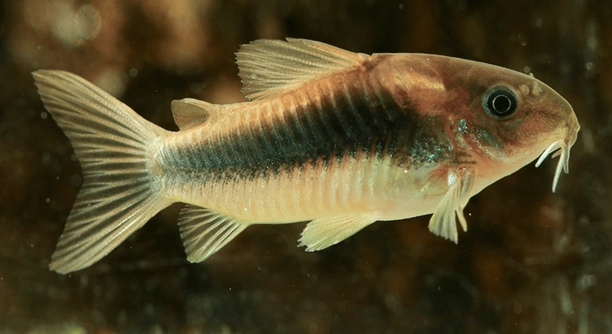
Corydoras catfish are popular in aquariums due to their playful nature and easygoing behavior. However, when they rest more than usual, it may raise concerns. Understanding the reasons behind this behavior can help ensure their well-being.
Corydoras catfish resting more often could indicate several factors, such as environmental stress, water quality issues, illness, or natural behavior. Identifying the cause is essential to maintaining their health and comfort, ensuring a happy and thriving aquarium.
By understanding these key factors, you can adjust the conditions of your tank to help your Corydoras feel more comfortable and active again.
Poor Water Quality
Corydoras catfish are sensitive to water conditions, and poor water quality can cause them to rest more frequently. High ammonia, nitrites, or low oxygen levels can stress your fish, making them stay close to the substrate or hide more. Keeping the water clean is essential for their health, as dirty water often leads to lethargy. Regular water changes and monitoring your tank’s parameters will help keep your Corydoras comfortable and active.
If your catfish are resting more than usual, it’s important to check your water quality. Ensure your filtration system is working efficiently, and that your tank has proper aeration.
Testing the water regularly and keeping it within the optimal range can make a significant difference. Corydoras thrive in stable environments, so maintaining a consistent water temperature and pH level will help them stay energetic. A sudden change in their surroundings can cause stress, leading them to rest more frequently. Take the time to perform water tests and make adjustments to ensure a healthy tank environment.
Illness or Injury
If your Corydoras seem to be resting too much, it could be a sign of illness or injury. Like any other fish, Corydoras can develop health issues that make them less active. Illnesses like parasites or bacterial infections often cause lethargy, while physical injuries can result in the catfish staying still to recover.
When Corydoras are ill or injured, they may exhibit other signs such as discoloration, swelling, or visible wounds. These indicators can help you identify the issue. If you notice these symptoms, it is best to quarantine the affected fish and consult a vet for treatment.
Overfeeding
Overfeeding can cause Corydoras to rest more as they become sluggish from the extra food in their stomachs. When they consume too much, their bodies work harder to digest, leading to less energy for swimming or exploring. It’s important to feed them small portions and remove any uneaten food promptly.
If overfeeding happens frequently, it can lead to bloating or digestive issues. This can make your Corydoras more lethargic and less active. You should observe how much they actually eat in one sitting and avoid giving them more than necessary. Overfeeding not only affects their health but also pollutes the water, causing more stress.
To prevent this, stick to a feeding schedule and provide just enough food for them to finish within a few minutes. It’s always better to underfeed slightly than overfeed. If you see that some food remains after a few hours, reduce the portion in the future. This simple adjustment can help keep your Corydoras active and happy.
Temperature Fluctuations
Corydoras are sensitive to temperature changes, and fluctuating water temperatures can cause them to rest more often. If the water is too cold or too hot, their metabolism slows down, and they become less active. Maintaining a steady, comfortable temperature is vital for their overall well-being.
To keep your Corydoras comfortable, use a reliable heater and thermometer to monitor the temperature. Corydoras thrive in water between 72°F and 78°F. If the temperature swings outside this range, it can cause stress and affect their behavior. This can lead to them resting more frequently and showing less interest in swimming.
Avoid placing your tank near windows or areas that receive direct sunlight, as these can cause sudden temperature changes. It’s also a good idea to check for drafts in the room that could cool the water unexpectedly. Consistent temperatures make your fish feel safe and reduce unnecessary stress.
Stress from Tankmates
Stress from other fish can cause Corydoras to rest more often. Aggressive or overly active tankmates may make your catfish feel unsafe, leading them to hide or stay still. It’s important to keep compatible species together to ensure a peaceful tank environment.
Monitor interactions between your Corydoras and other fish in the tank. If you notice aggressive behavior or bullying, it may be time to rearrange your tank or add more hiding spots for your catfish. Corydoras prefer peaceful surroundings and will become more active in a calm, well-balanced tank.
If the stress continues, consider separating the more aggressive species or rehoming them to reduce tension. Corydoras will thrive when they feel secure, and reducing stress can help bring back their usual energetic behavior.
Lack of Hiding Spots
Corydoras feel safer when they have plenty of hiding spots in their tank. If your aquarium lacks shelters or places to retreat, your catfish may become stressed or rest more often. Adding caves or plants can help make your Corydoras feel secure.
Provide structures like driftwood, rocks, or plants to create hiding areas. These not only offer protection but also allow your Corydoras to explore without feeling exposed. Creating a safe environment helps them recover from any stress they may be experiencing. A well-planted tank can also help with water quality.
Natural Behavior
Corydoras naturally have periods of rest throughout the day, especially during the night. It’s normal for them to stay still or sleep more during certain times. If your fish appear to be resting often but show no signs of illness, it could simply be their routine behavior.
Make sure your Corydoras are not overly disturbed during their resting times. As bottom dwellers, they are more likely to rest during quieter moments of the day. Just as humans need sleep, your Corydoras need rest to stay healthy and maintain their energy.
FAQ
Why is my Corydoras catfish resting more than usual?
If your Corydoras catfish is resting more than usual, it could be due to a variety of factors such as poor water quality, stress from tankmates, or changes in temperature. Overfeeding, illness, or natural behavior could also contribute. It’s important to check the water parameters and ensure the environment is suitable for your fish. Sometimes, a simple adjustment, like cleaning the tank or reducing feeding amounts, can make a noticeable difference.
What water conditions do Corydoras prefer?
Corydoras thrive in clean, well-maintained water with a temperature range of 72°F to 78°F. They also prefer slightly acidic to neutral water, with a pH between 6.0 and 7.5. Regular water changes and proper filtration are essential to maintaining healthy water conditions. If the water is too warm, cold, or polluted, your Corydoras may become stressed and rest more often. Using a good quality water test kit helps ensure your tank’s conditions are within the optimal range.
Can overfeeding cause Corydoras to rest more?
Yes, overfeeding can lead to lethargy in Corydoras. When they eat too much, it places strain on their digestive system, which can slow them down. Overfed fish tend to become sluggish, resting more often. It’s best to feed them small amounts they can consume within a few minutes and remove any uneaten food promptly to avoid polluting the water. Overfeeding not only causes physical discomfort but also affects water quality, leading to further stress.
What should I do if my Corydoras is sick?
If your Corydoras is sick, observe for signs like loss of appetite, discolored spots, or visible injuries. If you suspect an illness, quarantine the fish in a separate tank and monitor closely. Depending on the symptoms, you may need to treat the water with medications or consult a vet. Keep the water clean and ensure your Corydoras is not stressed. If you’re unsure, bringing in a professional will help prevent the illness from spreading to other fish.
How can I reduce stress in my Corydoras?
To reduce stress, ensure your Corydoras are in a peaceful tank with compatible tankmates. Avoid aggressive fish or species that chase them. Adding plenty of hiding spots, like plants, caves, and rocks, can help them feel safe and secure. Keep the water quality stable and avoid sudden temperature fluctuations. Corydoras are bottom dwellers and appreciate quiet, undisturbed areas to rest, so make sure the tank environment caters to their needs.
Is it normal for Corydoras to rest at the bottom of the tank?
Yes, it’s completely normal for Corydoras to rest at the bottom of the tank. As bottom-dwellers, they spend most of their time near the substrate, foraging and resting. They may even lie on their sides or “sleep” during the night. This behavior is not usually a sign of stress unless they are spending excessive time resting without being active during the day. If this behavior changes, then it’s worth investigating further.
Can Corydoras live with other types of fish?
Corydoras can live peacefully with many other species, especially those that are non-aggressive. Good tankmates include tetras, guppies, and peaceful species that don’t compete for the same food. Avoid keeping them with fin-nipping or aggressive fish, as this can cause stress and make your Corydoras more likely to rest or hide. When selecting tankmates, always consider the size and temperament of the other fish.
How do I ensure my Corydoras stays active?
To keep your Corydoras active, ensure their environment is stress-free. This means maintaining clean water, providing plenty of hiding spots, and keeping tankmates that are peaceful. Regular feeding in appropriate amounts and ensuring they have enough space to swim and explore also helps. A consistent temperature and low-stress environment will encourage natural, energetic behavior.
What are the signs of poor water quality in my tank?
Signs of poor water quality include cloudy or murky water, foul smells, and the presence of excess algae. Fish behavior may also change; you might notice your Corydoras resting more or swimming erratically. If the water contains high levels of ammonia or nitrites, your fish may exhibit stress-related behaviors. Testing the water regularly is essential for catching these issues early and ensuring the health of your fish.
What temperature should I keep my Corydoras tank at?
Corydoras prefer a temperature range between 72°F and 78°F (22°C – 26°C). Keeping the water within this range helps them remain active and healthy. Avoid drastic temperature fluctuations, as sudden changes can lead to stress. Using a reliable heater and thermometer ensures that the tank remains consistently within the optimal temperature range.
Why are my Corydoras hiding more than usual?
If your Corydoras is hiding more than usual, it could be due to stress, illness, or lack of hiding spots in the tank. They may also be avoiding aggressive tankmates or reacting to sudden changes in the environment. Make sure there are enough hiding places and check for any changes in water quality or temperature. If the problem persists, it’s important to evaluate the overall health of your fish and the tank conditions.
Final Thoughts
Corydoras catfish are generally hardy and easygoing fish, but they can experience periods of rest or lethargy due to various factors. Understanding the reasons behind their behavior is essential to keeping them healthy and active. If you notice your Corydoras resting more than usual, it’s important to evaluate their environment carefully. Start by checking water quality, as poor water conditions are one of the most common causes of stress for aquarium fish. Ammonia, nitrites, and low oxygen levels can lead to lethargy. Regular water changes, proper filtration, and monitoring water parameters will help ensure a stable and healthy tank environment.
In addition to water quality, consider other possible stress factors, such as the tankmates you’ve chosen. Corydoras are peaceful bottom dwellers, and they thrive in calm, stress-free environments. Aggressive or overly active fish may intimidate your catfish, causing them to hide or rest more frequently. Adding hiding spots like plants, caves, or rocks can make your Corydoras feel safer and reduce stress. If you notice that your Corydoras seem particularly lethargic, it’s also worth checking if they have enough space to move around freely, as overcrowding can lead to stress.
Finally, always observe your Corydoras for any signs of illness, injury, or overfeeding. These can all contribute to a catfish’s resting behavior. Overfeeding can cause discomfort, leading to less active fish, while illness or injury can also make them rest more. If you suspect any health issues, it’s crucial to address them promptly by quarantining the sick fish and possibly consulting a veterinarian. Keeping a consistent feeding schedule and removing uneaten food will help prevent overfeeding, ensuring that your Corydoras stay active and healthy. With the right care and attention, your Corydoras catfish can continue to thrive and bring joy to your aquarium.

Hello,
If you enjoy the content that we create, please consider saying a "Thank You!" by leaving a tip.
Every little bit helps us continue crafting quality advice that supports the health, happiness, and well-being of pets around the world, for pets of all shapes, sizes, and species.
We really appreciate the kindness and support that you show us!