
Is your Corydoras catfish behaving a little differently than usual, or are you simply unsure if it’s thriving in your tank?
A healthy Corydoras catfish will display consistent activity, clear eyes, smooth movements, a full appetite, clean barbels, even coloring, and regular breathing. Noticing these key indicators helps determine overall well-being and tank compatibility.
Learning what signs to look for makes it easier to support your Corydoras and catch early issues before they become serious.
7 Key Signs Your Corydoras Catfish Is Healthy
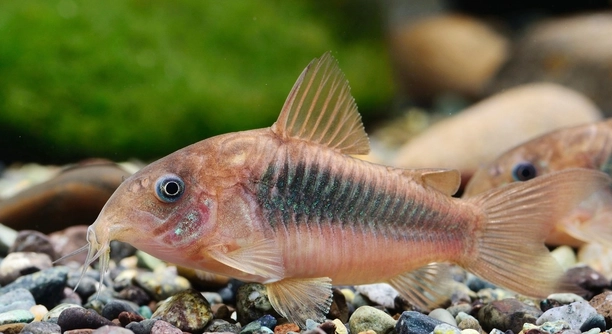
A healthy Corydoras catfish is active and alert throughout the day. It should swim steadily, usually along the bottom of the tank, and interact with other Corydoras or fish without hesitation. Clear, bright eyes are another good indicator—cloudy or dull eyes may point to illness. Check the barbels near its mouth; they should be intact, not frayed or red. Healthy fish also eat regularly and show interest in food when it’s offered. Skin and fins should appear clean, without white spots, redness, or torn edges. Breathing should be steady, not rapid or gasping at the surface. Lastly, good tank behavior—such as schooling with others or foraging—usually means your fish feels safe and well.
Always observe your Corydoras during feeding time. Loss of appetite is often one of the first signs that something may be wrong.
Keeping an eye on these small details helps prevent bigger issues. Many health problems can be managed early with the right care and attention.
How to Support Your Corydoras’ Health Daily
Routine tank care plays a major role in keeping your Corydoras healthy. Clean water is the most important factor. Poor water quality can quickly lead to illness, even if everything else seems fine. Perform regular water changes—around 20-30% weekly is a good rule. Use a water test kit to check ammonia, nitrites, nitrates, and pH levels. Corydoras prefer stable conditions, so avoid sudden changes. Make sure there are no sharp objects in the tank that could damage their delicate barbels. A soft sand substrate is best, as gravel can lead to irritation or infection. Offer a varied diet that includes sinking pellets, frozen foods like bloodworms, and occasional vegetables. Feed small portions and remove uneaten food. Good filtration and gentle water flow also make a difference. These small habits add up and help your fish live longer, healthier lives without stress or frequent illness.
Common Behaviors That Show Good Health
A healthy Corydoras will swim in short, quick bursts along the tank floor and sometimes rise to the surface for air. They tend to stay in groups and will forage together, often sifting through the substrate as a natural behavior.
Normal behavior includes schooling with others, even when resting. They often pause in still positions before moving again. Corydoras also exhibit curiosity by exploring tank decorations or calmly swimming near your hand during feeding. Occasional trips to the surface for air are common and normal for this species, thanks to their labyrinth organ. If your Corydoras hides constantly, stays motionless for long periods, or isolates itself, it may not be feeling well. Consistent, calm interaction with other fish is a good sign of comfort. Watching how they behave during feeding and after light changes can also show how relaxed and well-adjusted they are to the tank environment.
Another healthy sign is their quick response to food. Corydoras will often perk up and become more active when they sense feeding time. You might notice them digging through the sand or nudging each other playfully. These habits help maintain their energy levels and promote better digestion. Repeated behavior like this often shows your fish is thriving.
What to Avoid in Your Tank Setup
Avoid sharp gravel or rough decorations that can damage the Corydoras’ barbels and sensitive undersides. Stick to soft sand or smooth substrates, and remove any objects with sharp edges. These fish spend a lot of time close to the bottom, so surface texture matters.
Never let the tank get overcrowded. Corydoras are social, but too many fish can lead to stress and poor water quality. Keep your water parameters stable and consistent, avoiding temperature swings or pH changes. High levels of ammonia or nitrites can quickly make them sick, even if symptoms aren’t obvious at first. Choose tankmates carefully—avoid aggressive species that may nip at fins or chase them. Ensure the tank has shady spots or hiding areas using live plants or soft decorations, which help them feel secure. Providing plenty of space and clean conditions will reduce the chances of illness and allow their natural behavior to shine.
Subtle Signs Something Might Be Wrong
If your Corydoras stops eating, stays still for long periods, or avoids other fish, it may be stressed or sick. Slow swimming, hiding more than usual, or pale coloring are also signs something could be off.
Gasping at the surface too often can point to poor water quality or low oxygen. Watch for clamped fins, unusual marks, or redness around the mouth and barbels.
What to Do if You Notice Changes
Start by testing your water parameters. Poor quality is often the reason for sudden behavior changes. Do a partial water change and clean the filter if needed. Check the temperature and remove any aggressive tankmates that may be bothering your Corydoras. Avoid adding new fish while problems are happening. Make sure the tank is quiet and not exposed to too much light or movement. If symptoms continue after the water is fixed, consider treating for possible infections. Many pet stores carry mild medications for common illnesses. Acting early usually helps your fish recover faster and with less stress.
When to Seek Help from a Vet
If your Corydoras shows no improvement after water changes or treatment, it may be time to contact a vet who handles fish.
FAQ
What is the ideal water temperature for Corydoras catfish?
Corydoras catfish thrive in water temperatures between 72°F and 78°F (22°C to 25°C). Keeping the water in this range helps maintain their metabolism and ensures they stay active. Consistent temperatures are key, as sudden fluctuations can stress them out and make them more vulnerable to illness. Use a reliable aquarium heater to maintain this range, especially in colder environments.
How often should I feed my Corydoras catfish?
Feed your Corydoras once or twice a day, but be mindful not to overfeed. Offer small portions they can eat in a few minutes. It’s important to remove any leftover food after feeding to avoid water contamination. A variety of sinking pellets, live or frozen foods, and occasional vegetables (like blanched zucchini) will provide a balanced diet for your fish.
Can Corydoras catfish live with other fish?
Yes, Corydoras catfish are peaceful and generally get along with most other non-aggressive fish. They make great community tank mates, especially with fish that swim in the middle or upper levels of the tank. Avoid keeping them with aggressive or very large species that might bully them. Corydoras also prefer being in groups, so having more than one will help them feel secure.
Why is my Corydoras catfish staying at the top of the tank?
If your Corydoras is staying near the surface for long periods, it could be a sign of low oxygen levels in the tank. Corydoras breathe both from their gills and through a labyrinth organ, which allows them to gulp air at the surface. Ensure the water is well-oxygenated by improving filtration or adding an air stone. It could also indicate poor water quality or high ammonia levels, so it’s essential to check the tank’s water parameters.
What is the lifespan of a Corydoras catfish?
Corydoras catfish typically live between 5 to 10 years in optimal conditions. Their lifespan can be influenced by factors such as water quality, diet, tank environment, and overall care. Providing a stable and clean environment will help them live a long, healthy life.
Can Corydoras catfish live in cold water?
Corydoras are not cold-water fish. They prefer warm water with temperatures between 72°F and 78°F (22°C to 25°C). While they can survive in cooler temperatures for short periods, they may become stressed, lose appetite, and be more susceptible to disease. Ensure the water stays within the recommended temperature range for their overall well-being.
How can I tell if my Corydoras catfish is stressed?
Stressed Corydoras may exhibit signs such as hiding more than usual, clamped fins, reduced activity, or changes in swimming behavior. They might also become more skittish or less interactive during feeding. Stress can be caused by poor water quality, aggressive tankmates, or sudden changes in their environment. Identifying the cause early can help reduce the stress and restore their health.
Why are my Corydoras catfish’s barbels damaged?
Damaged barbels can result from sharp gravel, rough tank decorations, or other tankmates that may nip at the fish. Corydoras rely on their barbels to feel around the substrate for food, so damaged or missing barbels can hinder their ability to feed. To prevent this, use smooth sand as a substrate and avoid sharp objects in the tank. If the barbels are damaged, they can regenerate over time as long as the water quality is good.
What should I do if my Corydoras catfish has cloudy eyes?
Cloudy eyes are often a sign of infection or poor water quality. If your Corydoras has cloudy eyes, first check the water parameters and perform a water change if necessary. It could be a sign of an eye infection or stress, so treating with an aquarium-safe antibiotic might be necessary. If the problem persists, consider consulting a vet who specializes in fish to determine the exact cause and appropriate treatment.
Are Corydoras catfish prone to any diseases?
Yes, Corydoras catfish are susceptible to several common aquarium diseases, including ich (white spot disease), fin rot, and bacterial infections. Poor water quality and stress are primary contributors to disease. Regularly maintaining your tank’s water conditions, providing a balanced diet, and observing your fish for any unusual behavior are the best ways to prevent illness. If you notice any signs of disease, such as spots, lesions, or abnormal swimming, quarantine the affected fish and treat them promptly.
How can I tell if my Corydoras catfish is pregnant?
Female Corydoras can become pregnant and lay eggs, but they do not carry the eggs in the same way mammals do. Instead, the female will get rounder as she fills with eggs. If you observe your female Corydoras becoming noticeably rounder or larger around the abdomen, she may be preparing to lay eggs. You might also notice her spending more time near a flat surface, as this is where she will deposit the eggs. The male Corydoras will fertilize the eggs shortly after.
Final Thoughts
Corydoras catfish are relatively easy to care for, making them a popular choice for aquarium enthusiasts. With the right environment, diet, and attention to water quality, these small fish can thrive for many years. Their peaceful nature, active behavior, and unique appearance make them a great addition to most community tanks. By understanding the signs of a healthy Corydoras, you can ensure that they stay happy and well-cared for. Regular observation is key, as small changes in behavior or appearance can indicate underlying issues that may need attention.
Maintaining good water quality is one of the most important factors in keeping Corydoras healthy. Their sensitive bodies are very responsive to changes in the tank environment. Ammonia and nitrite levels should always be closely monitored, and partial water changes should be done regularly. A stable temperature range of 72°F to 78°F (22°C to 25°C) is ideal for these fish. Additionally, providing the right type of substrate, such as smooth sand, and making sure there are no sharp objects that could harm their barbels, is essential. A balanced diet of sinking pellets, live or frozen food, and occasional vegetables will also keep them in top condition.
Lastly, Corydoras are social creatures and do best when kept in groups. It’s important to observe their behavior and make sure they are not isolated, as they feel more secure and comfortable when surrounded by other Corydoras. While they are generally peaceful, paying attention to their interactions with other fish is also crucial, as some species may not be compatible with them. By following these guidelines and addressing any health concerns promptly, you’ll be able to enjoy your Corydoras for many years.

Hello,
If you enjoy the content that we create, please consider saying a "Thank You!" by leaving a tip.
Every little bit helps us continue crafting quality advice that supports the health, happiness, and well-being of pets around the world, for pets of all shapes, sizes, and species.
We really appreciate the kindness and support that you show us!