
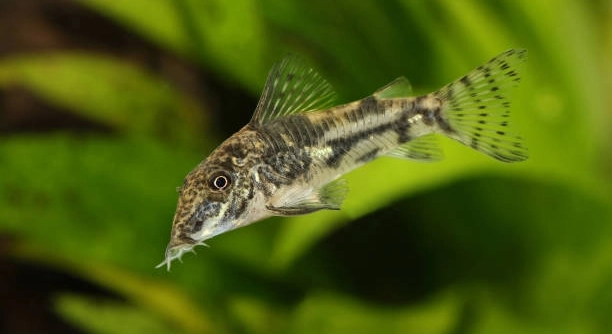
Are your Corydoras catfish not as active or healthy as you hoped they’d be, despite your best efforts at care?
Creating the perfect tank environment for Corydoras catfish involves stable water conditions, fine substrate, proper tank mates, and consistent maintenance. These peaceful bottom-dwellers thrive best when their natural needs are met in a calm, clean habitat.
Understanding each aspect of their tank setup can help you keep them healthy and active while also making care easier in the long run.
Choose the Right Tank Size
Corydoras catfish are small, but they still need space to stay healthy and stress-free. A 20-gallon tank is a great starting point, especially if you’re keeping a small group. These fish are social and should be kept in groups of at least six. A larger tank allows for proper swimming room and stable water conditions, which help prevent illness. Cramped spaces can lead to aggression and poor behavior. More space also gives you more flexibility when it comes to decorating and setting up hiding spots. A tank that is too small can make them anxious and inactive.
Keeping your Corydoras in a group helps them stay relaxed. A spacious tank supports their natural social behavior.
When planning your tank, consider the adult size of the fish and the number you plan to keep. If you start with a small tank, you may have to upgrade later. It’s better to go slightly bigger than you think you need. Even though Corydoras are peaceful, they still produce waste, and a larger tank helps dilute it better. This means less frequent water changes and fewer problems with ammonia or nitrite spikes. A well-sized tank also makes it easier to maintain the right temperature and filtration system. All of these things support long-term health.
Use Soft, Sandy Substrate
Rough gravel can harm the delicate barbels of your Corydoras. Sand is much safer and also lets them dig and search naturally.
Corydoras are bottom-dwellers that spend a lot of time sifting through the substrate looking for leftover food. Using soft sand allows them to perform this behavior without hurting themselves. Sharp or coarse gravel can cause small injuries that may get infected. Over time, this can lead to serious health issues or even reduce their lifespan. Play sand or aquarium-grade sand works best. It’s easy for them to move and doesn’t damage their skin. Always rinse the sand thoroughly before adding it to your tank to avoid cloudy water. Try to keep the sand layer about one to two inches thick. This will give them enough to dig in while still making cleaning easy. Using a siphon to gently hover over the sand during water changes can help remove waste without disturbing their habitat too much.
Maintain Clean and Stable Water
Stable water is important for keeping Corydoras healthy. Sudden changes in temperature, pH, or ammonia can stress them out quickly. Keep their tank clean with regular water changes and avoid overfeeding.
Use a good-quality water test kit to check ammonia, nitrite, nitrate, and pH levels each week. Corydoras prefer a pH between 6.5 and 7.5 and temperatures around 72–78°F. Clean the tank regularly by doing partial water changes of about 25–30% once a week. Be gentle when cleaning, and don’t remove all the beneficial bacteria from your filter. Avoid overfeeding, as leftover food can break down and make the water dirty. Always condition tap water before adding it to the tank. Sudden water changes or unconditioned water can shock your fish and weaken their immune system. A sponge filter or a gentle hang-on-back filter is ideal for maintaining circulation without creating strong currents.
Use a heater to keep the water temperature stable, especially in cooler months. Corydoras are sensitive to sudden drops in temperature and can get sick easily if the tank is too cold. Place the heater in a spot where it distributes warmth evenly. Make sure it has a thermostat for accuracy. If the tank is in a drafty area or near windows, add a background or insulate one side of the tank. Keep lights on a timer to mimic a consistent day-night cycle. Stability helps them feel secure and behave more naturally. Healthy water means healthy fish with bright colors and active behavior. Watch for signs like sluggish movement or gulping at the surface, which can mean something is off.
Add Plants and Hiding Places
Plants and hiding spots help Corydoras feel safe. They like to rest under cover, especially when stressed or resting.
Live or artificial plants, driftwood, and caves offer shade and comfort. Corydoras use these spaces to hide when they feel threatened or need a break. Plants also help improve water quality by absorbing nitrates. Choose low-light plants like Anubias or Java Fern that are easy to care for and won’t need special equipment. If using fake plants, make sure they don’t have sharp edges. Keep the layout simple and open, so there’s enough room for the fish to swim freely. Arrange decorations along the sides and back of the tank to create a natural look while leaving the middle open. This helps reduce stress and supports their natural behavior. Avoid overcrowding the tank with too many items, which can trap debris and make cleaning harder. A balanced setup keeps both the fish and tank tidy.
Choose the Right Tank Mates
Corydoras do best with calm fish that won’t chase or nip at them. Avoid aggressive or overly active species.
Peaceful community fish like tetras, guppies, rasboras, and peaceful gouramis are good choices. Shrimp and snails can also be safe tank mates.
Feed a Balanced Diet
Corydoras are bottom-feeders, but they still need variety in their diet to stay healthy. Sinking pellets should be their main food, but you can also add frozen or live foods like bloodworms or brine shrimp a few times a week. Avoid only feeding flakes, since they usually float and don’t reach the bottom where Corydoras eat. Make sure the food is small enough for them to eat easily. Feed once or twice a day and only what they can finish in a few minutes. Uneaten food should be removed to keep the water clean and avoid buildup of waste.
Keep Lighting Soft
Corydoras prefer low lighting since bright lights can make them hide more. Use dim lights or floating plants to soften brightness.
FAQ
How many Corydoras should I keep together?
Corydoras are social fish and feel more secure in groups. It’s best to keep at least six of the same species together. When kept in smaller numbers, they may become shy or stressed. In a group, they’re more active, display natural behaviors, and show less nervousness. A 20-gallon tank or larger is ideal for a small school, but if you plan to keep more, make sure the tank is big enough to give them space and maintain water quality. Keeping them in a proper group also reduces the chances of aggression or odd behavior.
Can Corydoras live with bettas?
Yes, Corydoras can usually live with bettas as long as the betta is not overly aggressive. Corydoras stay at the bottom of the tank, while bettas prefer the top and middle areas, so they don’t compete for space. Make sure the tank has enough room and hiding places. It’s a good idea to watch the betta for signs of aggression at first. Every betta has its own personality—some ignore other fish, while others chase them. If aggression becomes a problem, it’s safer to move the betta to its own setup.
Do Corydoras need a heater?
Most Corydoras species come from tropical regions and do best in warm water, around 72–78°F. A heater helps maintain a steady temperature, especially in cooler rooms or during winter. Fluctuations in water temperature can make them sick or sluggish. Some species, like the peppered Cory, can tolerate slightly cooler temps, but it’s safer to use a heater to avoid sudden drops. A small submersible heater with a thermostat works well in most setups. Check the water temperature with a thermometer often to make sure it stays within range.
How often should I clean the tank?
You should do partial water changes once a week, replacing about 25–30% of the tank water. Use a siphon to remove debris from the substrate, especially in the areas where food gathers. Wipe off algae if it builds up on the glass. Don’t clean the entire filter or change all the water at once, as that removes beneficial bacteria that help keep the water safe. Rotate filter maintenance, such as rinsing sponge parts in old tank water instead of under the tap. Keeping a regular schedule helps prevent ammonia spikes and cloudy water.
What should I do if my Corydoras are not active?
If your Corydoras seem less active than usual, first check the water parameters. Poor water quality is a common reason for behavior changes. Make sure the temperature, ammonia, nitrite, and nitrate levels are all in a healthy range. Also, check if the tank is too bright or if there’s not enough cover. Stress from tank mates, low oxygen, or a dirty substrate can also cause them to hide or stop moving much. Try adjusting these conditions slowly and give them time to settle. Providing a calm and clean environment usually helps them bounce back.
Can I mix different species of Corydoras?
Yes, you can mix different species, but each type prefers to school with its own kind. If you’re keeping multiple species, try to have at least four to six of each one so they feel safe and act naturally. Mixed groups may stick together sometimes, but they usually return to their own species when resting or exploring. Make sure all species in the tank share similar temperature and pH needs. Also, be sure your tank is large enough to support multiple groups without crowding or stressing the fish.
Do Corydoras clean the tank?
Corydoras help clean up leftover food from the bottom of the tank, but they are not full-time cleaners. You should still remove uneaten food, vacuum the substrate, and do regular water changes. Relying on them to keep the tank clean can lead to waste buildup and poor water quality. Think of them more as helpers than cleaners. A healthy tank still needs your regular care. Make sure you are not overfeeding, as even Corydoras can’t keep up with a lot of extra food settling on the bottom. Proper filtration and a steady routine are key.
Final Thoughts
Creating the right environment for your Corydoras catfish is not difficult, but it does take some care and consistency. These fish are peaceful, social, and fun to watch when they feel safe and comfortable. A well-planned tank with soft substrate, stable water, gentle lighting, and good tank mates can help them stay healthy and active. By giving them what they need, you allow them to show their natural behaviors, like exploring the bottom of the tank or resting in a quiet hiding spot. The small details, like using sand instead of gravel or adding live plants, make a big difference over time.
It’s also important to be patient. If you’re setting up a new tank, give it time to cycle before adding your Corydoras. Test the water often and make small changes when needed. Keep a routine with feeding and cleaning so that things stay stable. These fish are sensitive to quick changes, so the more consistent you are, the better they will do. Also, remember that they do not like to live alone. Keeping them in groups helps reduce stress and encourages more active and natural movement around the tank. A calm, clean space with enough room to swim and hide supports their well-being.
Overall, caring for Corydoras is about finding balance. Their needs are simple but important. Soft sand, steady temperature, good water quality, and the right companions all come together to support a safe tank environment. It’s not about making things perfect from the start but about learning and improving as you go. Watching your Corydoras swim, rest, and interact in a peaceful setting can be very rewarding. With the right setup, you’ll enjoy keeping them just as much as they’ll enjoy living in the tank you’ve created.

Hello,
If you enjoy the content that we create, please consider saying a "Thank You!" by leaving a tip.
Every little bit helps us continue crafting quality advice that supports the health, happiness, and well-being of pets around the world, for pets of all shapes, sizes, and species.
We really appreciate the kindness and support that you show us!