
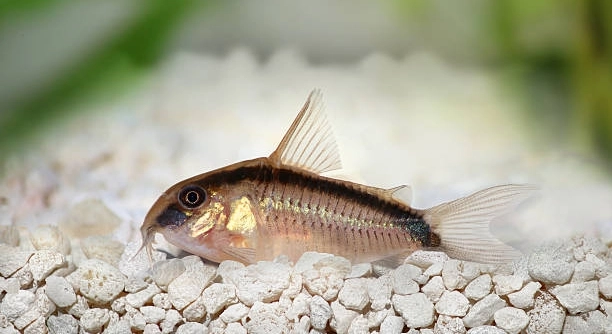
Corydoras catfish are popular aquarium fish known for their friendly and peaceful nature. However, they can sometimes be found hiding in the substrate, a behavior that may be concerning for their owners.
Several reasons may cause your Corydoras catfish to hide in the substrate, including stress, water quality issues, or natural instincts. This behavior is often a sign of discomfort or an attempt to seek shelter from their environment.
Understanding the reasons behind this behavior can help ensure your catfish remain healthy and comfortable. This article covers key factors that may explain why your Corydoras are choosing to hide.
Stress and Anxiety in Corydoras Catfish
Stress is one of the most common reasons Corydoras catfish may seek refuge in the substrate. Fish can experience stress for a variety of reasons, such as sudden changes in their environment, loud noises, or the presence of aggressive tank mates. This behavior is a sign that your catfish are trying to escape from perceived threats or discomfort. Stress can also result from overcrowded tanks or constant water fluctuations.
Tank conditions play a significant role in your catfish’s stress level. If there is a lack of hiding places or too much movement in the tank, it can cause them to feel unsafe. When Corydoras catfish feel threatened, they instinctively look for places to hide. Ensuring that the tank is well-structured with adequate hiding spots can help alleviate stress.
It’s important to monitor your fish closely for any signs of distress. By providing them with a stable environment, you can reduce their anxiety and encourage them to be more active in the open.
Water Quality Issues
The quality of water in your tank plays a major role in the health of your Corydoras catfish. Poor water conditions, such as high ammonia levels, low oxygen, or incorrect pH, can cause your catfish to hide. Water that’s too warm or too cold can also trigger hiding behavior.
When water parameters are out of balance, Corydoras catfish may seek shelter to avoid exposure to harmful conditions. Regular water testing and maintaining proper filtration systems are essential for keeping your catfish happy and healthy. Proper care of water quality can prevent hiding and improve their overall wellbeing.
Tank Mates and Compatibility
Aggressive tank mates can make Corydoras catfish feel unsafe. If they’re constantly harassed by other fish, it’s natural for them to seek refuge in the substrate. The presence of large or territorial species can increase their anxiety.
When choosing tank mates, it’s important to consider their temperament. Corydoras do well with peaceful fish that aren’t too large or territorial. If your catfish are constantly hiding, it might be due to aggressive behaviors from other species. Observing interactions between tank mates can give you insight into any issues.
Creating a more peaceful environment can help your catfish thrive. Introducing calmer fish and ensuring everyone has enough space can reduce hiding and encourage your Corydoras to feel more secure. This will lead to a happier and healthier aquarium.
Natural Behavior and Instincts
Corydoras catfish are bottom dwellers by nature. In the wild, they often burrow into the substrate for protection and comfort. This instinctive behavior can carry over into their aquarium life, even if there are no obvious threats present.
If your tank provides the right environment, hiding in the substrate is simply a normal part of their behavior. They may be resting, searching for food, or avoiding bright lights. It’s important to allow your catfish to express this natural behavior without assuming it’s a sign of trouble. Providing a variety of hiding places can allow them to feel more at ease.
As long as they are eating and swimming around occasionally, there’s no need to worry. Simply monitor their activity and ensure the tank environment supports their natural instincts.
Illness or Injury
Illness or injury can cause Corydoras catfish to hide in the substrate. If they are feeling unwell or hurt, they may retreat to a safe area to avoid further stress. Look for other signs of illness, such as reduced activity or unusual behavior.
If you notice your Corydoras spending more time hiding, check for symptoms like faded coloration or erratic swimming. These could indicate a health issue. It’s important to monitor your fish closely and, if necessary, consult with an aquarium professional for advice on treatment.
Addressing any potential health problems quickly can prevent further stress or worsening of the condition. Regular water changes, proper nutrition, and stress reduction can also help prevent illness from affecting your fish.
Tank Setup and Substrate Type
The type of substrate in your tank can influence how much your Corydoras hide. They prefer soft, sandy substrates where they can sift through the material comfortably. Rough or sharp gravel may cause them to feel unsettled, leading to hiding.
Choosing the right substrate ensures your catfish can engage in their natural behavior without discomfort. Sandy or fine-gravel substrates allow them to burrow and sift through the material, making them feel secure. A tank setup that meets these needs helps create an environment where they can thrive.
FAQ
Why do Corydoras catfish bury themselves in the substrate?
Corydoras catfish are natural bottom dwellers and often bury themselves in the substrate for comfort and protection. They use this behavior to hide from potential threats or to rest. In the wild, they bury themselves to blend into their environment and stay safe from predators. In an aquarium, this instinct persists, especially if they feel stressed or need to rest.
How can I tell if my Corydoras is stressed?
Stress in Corydoras catfish can manifest in a few different ways. If your fish is hiding more than usual, swimming erratically, or avoiding food, it may be stressed. Stress can also cause physical signs like faded coloration or clamped fins. Observing your fish’s behavior and environment can help determine if stress is the cause.
What should I do if my Corydoras catfish is hiding all the time?
If your Corydoras is constantly hiding, first check the water quality. Poor water conditions, such as high ammonia or fluctuating temperatures, can cause stress and hiding. Ensure your tank is properly filtered and the water is stable. Additionally, check for aggressive tank mates or overcrowding, as these factors may also contribute to hiding behavior.
Can water temperature affect Corydoras behavior?
Yes, water temperature can significantly impact the behavior of Corydoras catfish. These fish prefer cooler water, typically between 72°F and 78°F (22°C to 26°C). Water that is too warm can cause them to become stressed, leading to hiding. Maintaining a stable and appropriate temperature helps keep your fish comfortable and active.
How often should I clean my Corydoras tank?
Regular tank maintenance is essential for the health of your Corydoras catfish. You should perform water changes of about 25% every 1-2 weeks. This helps maintain good water quality, reducing stress and keeping your fish active. It’s also important to clean the substrate to remove waste buildup that may affect water quality.
Are Corydoras catfish nocturnal?
Corydoras catfish are not strictly nocturnal, but they are often more active during the evening or at night. These fish are bottom dwellers and tend to feed and explore the substrate during the quieter hours when the aquarium lights are off. However, they can be active during the day, especially if they feel secure in their environment.
Do Corydoras catfish need a lot of space?
Corydoras catfish do best in tanks with plenty of space to swim and hide. A minimum of 20 gallons is recommended for a small group of Corydoras. Providing enough space for them to move around freely helps reduce stress and prevents overcrowding. Tank size and layout are important factors for their overall well-being.
Can Corydoras catfish live with other species?
Yes, Corydoras catfish are peaceful fish and can live with a variety of other species. They do best with other non-aggressive fish, such as tetras, guppies, or rasboras. Avoid keeping them with aggressive or large fish that may intimidate them. Peaceful tank mates help reduce stress and encourage natural behaviors.
What type of substrate is best for Corydoras catfish?
Corydoras catfish prefer soft, sandy substrates that allow them to burrow and sift through the material. Sharp or rough gravel can harm their sensitive barbels and make them feel uncomfortable. A fine, smooth sand substrate provides the best environment for these bottom dwellers, allowing them to engage in natural behaviors like digging and foraging.
How can I improve my Corydoras tank environment?
To create a better environment for your Corydoras, ensure that the tank has plenty of hiding spots and a gentle water flow. Plants, driftwood, and rocks can help provide shelter and reduce stress. Regular water changes, a stable temperature, and a well-maintained filtration system are also essential for keeping your Corydoras healthy and active.
Why do my Corydoras catfish stay in one spot?
If your Corydoras catfish is staying in one spot, it could be due to a variety of reasons. They may be resting or feeling stressed due to poor water conditions or aggressive tank mates. Check the water parameters and ensure the tank is not overcrowded. If the issue persists, it could be a sign of illness.
Can Corydoras catfish live in low-light tanks?
Corydoras catfish do well in low-light tanks, as they are more adapted to dimly lit environments in the wild. They are sensitive to bright lights, which can cause them stress. Low lighting, combined with a well-maintained tank, helps them feel secure and encourages natural behaviors like foraging and hiding.
What kind of food do Corydoras catfish eat?
Corydoras catfish are omnivores and enjoy a varied diet. They typically eat sinking pellets, frozen or live foods like bloodworms and brine shrimp, and plant-based foods such as algae wafers. Providing a balanced diet is essential for their health and can encourage them to stay active and engaged in the aquarium.
Final Thoughts
Corydoras catfish are generally peaceful, hardy creatures that can thrive in a well-maintained aquarium. However, if they’re hiding in the substrate, it’s important to consider various factors. Their behavior could be a result of natural instincts, stress, illness, or even their tank mates. Understanding the cause of their hiding can help ensure that they’re comfortable and healthy in their environment. Observing their behavior closely and regularly checking water parameters is key to addressing any issues that may arise.
If your Corydoras are hiding too much, it’s essential to examine the tank setup, including the water quality, temperature, and substrate type. Poor water quality or extreme temperatures can lead to stress, which may cause them to hide more often. A peaceful environment with appropriate tank mates is also crucial for their well-being. Corydoras thrive in calm, low-stress settings, and any aggression from other fish can lead them to retreat into the substrate for safety. Creating a balanced, peaceful environment will encourage your Corydoras to explore more and hide less.
Ultimately, Corydoras catfish are resilient and capable of adapting to many different tank setups, as long as their basic needs are met. By addressing any potential issues with water quality, tank mates, or environmental factors, you can help your fish feel more secure. Keep monitoring their behavior and adjust the tank conditions as needed. When provided with a stable, stress-free environment, Corydoras will typically be active, social, and engaging.

Hello,
If you enjoy the content that we create, please consider saying a "Thank You!" by leaving a tip.
Every little bit helps us continue crafting quality advice that supports the health, happiness, and well-being of pets around the world, for pets of all shapes, sizes, and species.
We really appreciate the kindness and support that you show us!