
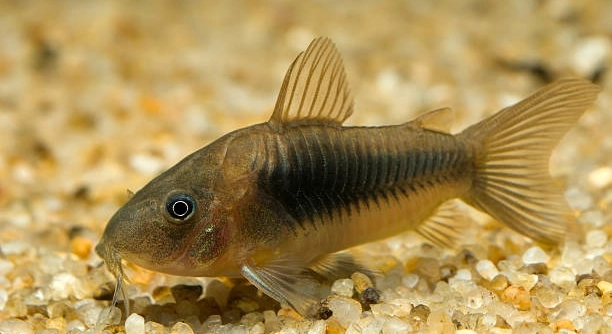
Corydoras catfish are popular aquarium pets, known for their peaceful nature and playful behavior. However, when placed in small tanks, they can easily become stressed. It’s important to keep their needs in mind for their well-being.
To prevent stress in Corydoras catfish in small tanks, it’s essential to ensure adequate water quality, hiding spots, and tank mates. Providing proper space, filtration, and a peaceful environment are key to keeping these fish calm and healthy.
Proper tank setup and care can make a big difference in the comfort of your Corydoras. Let’s take a closer look at how you can create a stress-free environment for them.
Provide Adequate Space
In a small tank, space can be a challenge for Corydoras catfish. These fish are naturally active and love to swim around. If they don’t have enough room, they can become stressed and even show signs of discomfort. Ideally, your tank should be at least 20 gallons, though a larger tank is always better for these playful swimmers. Overcrowding with too many fish can add to the stress. If you’re keeping multiple Corydoras, ensure they have enough space to explore and find places to hide when they need to feel secure.
Making sure your Corydoras have enough space helps them stay healthy and happy. Overcrowding leads to aggression, less oxygen, and potential water quality issues. A proper tank size will prevent these problems and provide your fish with a stress-free environment.
Having enough space in your tank also prevents territorial issues that can occur when fish feel cramped. With plenty of room to swim, Corydoras will behave more naturally, keeping stress levels low and their energy high.
Maintain Good Water Quality
Water quality plays a huge role in reducing stress for Corydoras catfish. Poor water conditions can lead to illness and discomfort. Regularly test the water to ensure proper levels of pH, ammonia, nitrites, and nitrates. Clean the tank and change the water frequently to keep it fresh.
Corydoras are sensitive to poor water conditions, so using a reliable filtration system is crucial. Filtration helps maintain the water’s cleanliness, which is essential for their health. Keep an eye on the water temperature too. Corydoras prefer a stable, slightly warm environment, usually between 72-78°F.
Make sure the filter is not too strong, as Corydoras prefer calm waters. Too much current can stress them out and make it difficult for them to swim comfortably. A gentle filter will ensure clean, yet peaceful water for your fish to thrive. Regular water checks and maintenance are key to creating the perfect environment.
Provide Hiding Spots
Corydoras feel safer when they have hiding spots in their tank. Adding caves, plants, or driftwood gives them places to retreat when they need peace. These spaces help reduce stress and allow them to rest comfortably away from the other fish. It makes them feel more secure.
Hiding spots also help Corydoras feel less exposed. They are shy fish and prefer to have somewhere to go when they feel threatened or anxious. Creating areas where they can hide when they need to can go a long way in improving their well-being and reducing stress.
Choose Peaceful Tank Mates
Corydoras are peaceful fish and do best with other calm species. Aggressive tank mates can cause constant stress. Avoid keeping them with large or territorial fish, as they may bully the Corydoras. Instead, choose fish with similar temperament and size to keep the tank peaceful and stress-free.
A harmonious community tank is crucial for keeping Corydoras at ease. Fish like guppies or small tetras can make good companions. Ensure that all tank mates are non-aggressive to prevent any stress from conflict. A peaceful environment will help your Corydoras feel more comfortable and thrive.
FAQ
How can I tell if my Corydoras catfish is stressed?
Signs of stress in Corydoras include lethargy, hiding more than usual, or swimming erratically. If they are constantly staying at the bottom or swimming in circles, it may indicate stress. You might also notice loss of appetite or abnormal breathing. Keep an eye on these signs to prevent further issues.
What is the best tank size for Corydoras?
The minimum recommended tank size for Corydoras is 20 gallons. This gives them enough space to swim and hide. A larger tank is always better, especially if you plan to keep multiple Corydoras. The more space they have, the less likely they are to feel stressed.
Can Corydoras live in a tank with strong water currents?
Corydoras do not thrive in strong currents. They are bottom dwellers and prefer calm waters. If your filter creates too much current, you can try using a sponge filter or redirecting the flow. This will help keep the water clean while ensuring a peaceful environment for your fish.
What type of substrate is best for Corydoras?
Corydoras love to dig in the substrate, so soft sand or fine gravel is ideal. Avoid sharp gravel, as it can injure their sensitive barbels. Sand mimics their natural environment and allows them to forage for food comfortably. A smooth, fine substrate helps keep your fish happy and healthy.
Can I keep Corydoras with other fish?
Yes, Corydoras are peaceful fish and can live with other calm species. Small, non-aggressive fish such as tetras or guppies make good tank mates. Avoid large or territorial fish that may bully them. Peaceful community tanks are the best for keeping Corydoras stress-free.
How often should I change the water in a Corydoras tank?
For optimal water quality, change 25-30% of the water every 1-2 weeks. This helps prevent the build-up of harmful toxins like ammonia and nitrates. Regular water changes keep the tank clean and provide a healthier environment for your Corydoras. Always use a water conditioner to treat tap water before adding it to the tank.
Is it necessary to have a filter in a Corydoras tank?
Yes, a filter is essential for maintaining clean and oxygenated water. However, avoid filters with strong currents, as they can stress out your Corydoras. A gentle filter will help keep the water free of waste and toxins without disturbing the peaceful environment they need to thrive.
What temperature should the water be for Corydoras catfish?
Corydoras prefer slightly warm water, with a temperature range of 72-78°F (22-26°C). It’s important to keep the temperature stable to avoid causing stress. A reliable heater with a thermometer can help maintain the right temperature, ensuring your Corydoras remain comfortable and healthy.
How many Corydoras should I keep together?
Corydoras are social fish and should be kept in groups. Ideally, keep at least 4-6 Corydoras together, as they feel safer and more comfortable in a group. Keeping them in pairs or alone can lead to loneliness and stress. A small school of Corydoras will reduce anxiety and encourage natural behavior.
Do Corydoras catfish need light?
Corydoras do not need strong lighting. They prefer dim to moderate light, which mimics their natural habitat. Bright lights can cause stress and make them feel exposed. Use a soft light or LED lights that mimic natural daylight to create a calming environment for your Corydoras.
Final Thoughts
Corydoras catfish are wonderful additions to any aquarium, but keeping them happy and stress-free requires a little extra attention. Providing them with adequate space, clean water, and hiding spots will go a long way in creating an environment where they feel safe and comfortable. These small changes can make a big difference in their overall health and well-being. Keeping the tank peaceful and free of aggressive tank mates is essential to avoid unnecessary stress for your Corydoras. When their needs are met, they will thrive, swimming happily and showing off their playful personalities.
Another key to preventing stress is being mindful of water quality. Regular water changes, proper filtration, and monitoring the tank’s temperature are simple yet effective ways to ensure your Corydoras stay in a healthy environment. Overcrowding is something to avoid, as it leads to poor water quality and can make the fish feel cramped. A clean tank and proper maintenance help prevent illness and stress, which is essential for keeping these bottom dwellers happy. Corydoras are sensitive creatures, and providing a peaceful, stable environment will encourage natural behaviors, like foraging and schooling, which are key to their happiness.
Remember, stress in Corydoras can lead to health problems and a shortened lifespan. By offering plenty of hiding spots, keeping water conditions in check, and making sure they have compatible tank mates, you’re setting them up for success. While Corydoras are generally low-maintenance, a little extra care in setting up their tank can help them live longer, healthier lives. With the right environment, Corydoras can bring joy and beauty to your aquarium, providing hours of entertainment as they explore and interact with their surroundings.

Hello,
If you enjoy the content that we create, please consider saying a "Thank You!" by leaving a tip.
Every little bit helps us continue crafting quality advice that supports the health, happiness, and well-being of pets around the world, for pets of all shapes, sizes, and species.
We really appreciate the kindness and support that you show us!