
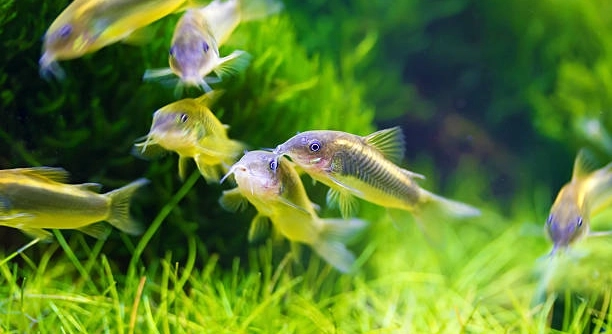
Is your Corydoras catfish laying on its side, making you worry something might be wrong with its health or tank setup?
The most common reason your Corydoras catfish lays on its side is stress, often caused by poor water conditions, illness, or exhaustion. This behavior can also stem from natural resting habits, especially after periods of activity.
Several other explanations may help you better understand this unusual behavior and how to respond properly if something seems off.
Poor Water Quality
Corydoras catfish are sensitive to changes in their environment, especially when it comes to water quality. Ammonia, nitrite, and nitrate levels that are too high can make your fish stressed and even lead to serious health issues. If your catfish is laying on its side, test the water using an aquarium test kit. Make sure the tank is properly cycled, with stable parameters and clean, well-oxygenated water. Sudden changes in temperature or pH can also affect them. Regular water changes, filter maintenance, and monitoring can help avoid these issues and keep your fish safe and active.
Clean, stable water can make a big difference. Check your filter and perform partial water changes weekly.
Even if the tank looks clean, toxins can build up quickly and make your Corydoras feel unwell. Test the water at least once a week and after any new additions to the tank. Always use a water conditioner when doing changes, and avoid overfeeding, as leftover food will break down and increase waste. Keeping the water safe is one of the best ways to prevent your fish from acting strange or becoming sick. When water conditions are off, even hardy fish like Corydoras can show stress by laying on their sides and becoming less active than usual.
Natural Resting Behavior
Some Corydoras naturally rest on their sides, especially when they feel safe in their tank.
Corydoras are known for their quirky habits, and sometimes lying on their side is simply how they rest. If your fish gets up and swims normally when disturbed and shows no signs of illness—like gasping, fading color, or clamped fins—then it may just be taking a break. These catfish often rest in groups or alone, depending on how secure they feel. Make sure your tank has hiding spots and soft substrate to support this behavior. Smooth sand is better than gravel, since Corydoras like to dig and relax near the bottom. Dim lighting also helps them feel calm. If your fish is active at feeding time and interacts with others, it’s probably just displaying normal resting behavior. Keep observing them, and you’ll learn their routines and what’s normal for them.
Illness or Injury
A Corydoras laying on its side could be sick or hurt. Look for other signs like labored breathing, cloudy eyes, or unusual marks on the body. Illness can make them weak, causing them to rest more or lose balance.
If your Corydoras is sick, it’s important to isolate it in a separate tank so it doesn’t spread disease to others. Use a heater and air stone in the hospital tank to keep it comfortable. Observe its behavior closely for 24–48 hours. Common illnesses include bacterial infections, parasites, or swim bladder problems. You may need to treat with aquarium salt or specific medications depending on symptoms. Injuries from rough tank decor or aggressive tank mates can also lead to laying on the side. Avoid sharp objects and make sure the fish is not being bullied. A peaceful tank and quick action can make a big difference in recovery.
Sometimes, it’s hard to tell if your Corydoras is sick right away. But if it stops eating, hides more than usual, or struggles to swim normally, something could be wrong. Always look for changes in behavior along with physical signs. A sudden change usually means stress or illness. Maintaining a clean tank, feeding high-quality food, and avoiding overcrowding are good ways to prevent many common issues. If you’re unsure, visiting a vet who handles fish or reaching out to an experienced aquarist can help you decide on the next steps. Acting early often gives your fish a better chance at bouncing back.
Lack of Oxygen
Low oxygen levels in the tank can cause your Corydoras to act sluggish or lay on its side. You might also see it gasping at the surface or moving less than usual.
Corydoras need well-oxygenated water to stay active and healthy. If the oxygen levels drop, they may start laying on their sides from exhaustion or stress. This can happen in tanks that are overstocked, have poor water flow, or are too warm, since warmer water holds less oxygen. Adding an air stone, increasing surface movement, or lowering the tank temperature slightly can help improve oxygen levels. It’s also helpful to clean any clogged filters and avoid covering too much surface area with decor or plants. Corydoras often breathe through their intestines by gulping air, but if they do this too often, it could mean the water lacks oxygen. Addressing this quickly helps prevent long-term damage to their health.
Old Age
As Corydoras grow older, they may become less active and rest more often. Laying on their side can be a normal part of aging, especially if there are no signs of illness or stress in the tank.
Older fish often slow down and need more rest. It’s common for them to stay still for longer periods and respond slower to food or movement. As long as the fish is eating and shows no major behavior changes, it may just be part of getting older. Keep the tank calm and stable to support aging fish.
Improper Acclimation
If a Corydoras is added to a new tank too quickly, it may show signs of stress like laying on its side. Proper acclimation helps the fish adjust to different water parameters. Use the drip method or slowly float the bag and add small amounts of tank water over time.
Overfeeding or Constipation
Feeding too much or too often can cause bloating and swimming issues in Corydoras. If the fish looks swollen and starts laying on its side, it might be struggling to digest. Reduce feedings and consider offering a shelled pea or fasting the fish for a day to help clear its system.
FAQ
Why is my Corydoras laying on its side but still alive?
Corydoras can lay on their side for various reasons. It could be stress, natural resting behavior, or a sign of poor water quality. If your fish is still alive and eating, it might just be taking a break, especially if it’s active when disturbed. However, if you notice symptoms like labored breathing or loss of color, it could indicate illness. Check the water conditions and ensure the tank is peaceful. If the behavior persists, it’s worth considering a check-up for illness or injury.
What can I do if my Corydoras is laying on its side all the time?
If your Corydoras stays on its side constantly, first check the water quality. High ammonia or nitrate levels can cause stress. Perform a water change and ensure the filter is working well. Also, make sure the temperature isn’t too high, as warmer water holds less oxygen. If water conditions are fine, observe for any signs of illness, like swelling or loss of appetite. If nothing changes, consulting a fish vet might help determine if there’s a hidden problem.
How can I tell if my Corydoras is stressed?
Stress in Corydoras often manifests as unusual behavior, including laying on its side, hiding more than usual, or becoming lethargic. A stressed fish might also breathe rapidly, dart around the tank, or display pale colors. Stress can be caused by poor water conditions, sudden changes in the environment, overcrowding, or aggressive tank mates. To reduce stress, ensure the water parameters are stable, and that the tank is calm and peaceful. Offering hiding spots with plants or decorations can help them feel secure.
Can Corydoras die from laying on their side?
Laying on their side alone is not necessarily deadly for Corydoras, but it can indicate underlying issues like stress, illness, or poor water quality. If the fish is having trouble swimming, gasping for air, or seems weak, then it could be in danger. Address water quality and check for injuries or illnesses. Keep a close watch on the fish’s behavior, and if it deteriorates, take action immediately by isolating it in a hospital tank and treating it accordingly.
Do Corydoras sleep on their side?
Yes, Corydoras are known to sometimes sleep on their side, especially when they are feeling safe and relaxed. This is a natural behavior, and as long as the fish shows no signs of illness or distress, it’s likely just resting. However, it’s essential to differentiate between sleeping and signs of an issue like bloating or weakness. If the fish swims normally when disturbed or during feeding, it is likely just resting.
Could my Corydoras be injured from tank decor?
Yes, tank decor like sharp edges or heavy decorations can injure Corydoras. These fish are bottom dwellers and often scrape themselves against objects in the tank. Injuries can lead to laying on their side as the fish might be in pain or feeling weak. To prevent this, ensure that the tank’s substrate is smooth (sand is ideal) and that there are no sharp objects or rough edges in the tank. Always check for cuts or wounds, as injuries can lead to infection and further issues.
Why does my Corydoras only swim sideways?
If your Corydoras is swimming sideways or struggling to stay upright, it may be a sign of swim bladder disorder, which can occur due to overfeeding or constipation. This condition can also be a symptom of stress or illness. Reducing the amount of food and providing a shelled pea or fasting for a day can help with constipation. If the behavior continues, check water parameters and consider consulting a vet to rule out any diseases affecting the swim bladder.
Can Corydoras recover from laying on their side?
Yes, Corydoras can recover from laying on their side if the underlying issue is addressed. For example, if poor water quality or overfeeding is the cause, simply improving water conditions or adjusting the feeding schedule can help. If the fish is sick, treating with the appropriate medication can support recovery. However, if the fish does not improve, seeking professional advice from a vet experienced in aquatic species is recommended.
What should I do if my Corydoras won’t eat but is laying on its side?
If your Corydoras isn’t eating and is laying on its side, it could indicate an illness or serious stress. Begin by testing the water for any imbalances in pH, ammonia, nitrate, or temperature. If the water quality is fine, try offering different types of food, such as sinking pellets or live food, to encourage eating. If the fish still refuses to eat, or if other symptoms such as bloating or discoloration appear, it’s best to consult a vet who specializes in fish care.
How do I make my Corydoras feel more comfortable?
To make your Corydoras feel more comfortable, maintain stable water conditions with proper filtration and oxygenation. Corydoras like to have hiding spots, so consider adding plants, rocks, or driftwood to provide shelter. Keep the lighting low and the tank peaceful to reduce stress. Corydoras are also sensitive to strong currents, so ensure the water flow is gentle and suitable for bottom dwellers. Regular maintenance, such as cleaning the tank and avoiding overcrowding, can also help your fish feel secure and healthy.
Final Thoughts
If your Corydoras catfish is laying on its side, it’s important not to panic right away. While it can be alarming to see your fish acting differently, this behavior doesn’t always indicate something serious. It could simply be a sign that the fish is resting or taking a break. Corydoras are known to rest on their sides, especially when they feel safe in a calm tank. However, it’s always best to monitor your fish closely and rule out any potential issues.
The most common causes of Corydoras laying on their side are poor water quality, stress, illness, or natural resting behavior. If the water conditions are not ideal, it can lead to a stressed or sick fish, which may cause it to rest more than usual or behave differently. Make sure your tank’s water is clean, stable, and properly oxygenated. Regular water changes and proper filtration are key to preventing water quality issues that can affect the health of your fish. If the problem persists despite good water quality, you should consider other possible causes, such as illness or injury, which may require separate care or even medication.
In conclusion, paying attention to your Corydoras catfish’s behavior and environment is the best way to ensure its well-being. Regularly checking the water quality, keeping the tank peaceful, and observing any changes in behavior can help catch any problems early. If your fish is acting unusually, addressing the issue promptly, whether it’s water quality or a potential health issue, can make a big difference. Taking the time to understand your fish’s needs and responding accordingly will help ensure it stays happy and healthy in the long run.

Hello,
If you enjoy the content that we create, please consider saying a "Thank You!" by leaving a tip.
Every little bit helps us continue crafting quality advice that supports the health, happiness, and well-being of pets around the world, for pets of all shapes, sizes, and species.
We really appreciate the kindness and support that you show us!