
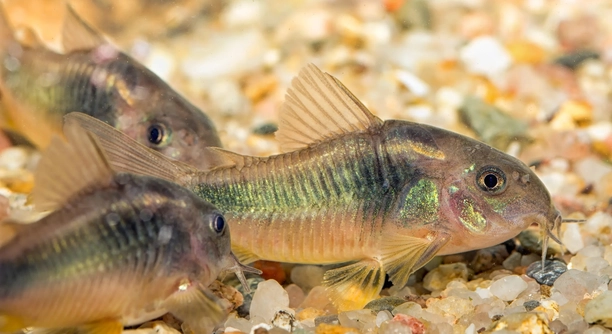
Are your Corydoras catfish acting shy or hiding more often after you’ve added new fish to the tank?
The most common reason Corydoras catfish act shy around new additions is stress caused by environmental changes and unfamiliar tank mates. This behavior is often a natural response to perceived threats or disruptions in their usual routine.
These reactions can reveal a lot about how your catfish feel in their habitat, and understanding them can help improve their well-being.
New Tank Mates Can Cause Stress
Adding new fish to your aquarium can make Corydoras catfish feel unsafe. They are peaceful, bottom-dwelling fish that enjoy quiet spaces and familiar routines. When a new fish enters their territory, especially if it’s more active or larger, Corydoras may retreat and become less social. The shift in dynamics can make them feel uncertain, leading to shyness or hiding. This behavior often isn’t permanent, but it does indicate that your catfish are reacting to a perceived change. Watching their behavior closely during the first few weeks after introducing new fish can help you catch any signs of discomfort. Provide plenty of hiding spots like caves and plants to help them feel more secure. Avoid overcrowding, and make sure tank mates are peaceful and compatible. Reducing stress through a calm environment can help your Corydoras feel more at ease and return to their usual activity levels over time.
Corydoras are sensitive to changes in behavior and movement around them. Sudden activity from new tank mates may make them withdraw.
It’s helpful to monitor how the new fish behave and interact. If they are too energetic or curious, they may make your Corydoras feel nervous. Try rearranging the tank slightly to reset territories and reduce any tension.
Differences in Activity Levels
Corydoras are naturally shy and tend to be more active during calm moments. If new additions are fast swimmers or constantly on the move, the Corydoras may feel overwhelmed. These differences in pace can make them retreat more often and avoid open areas.
Creating balance in your aquarium is key. Choose tank mates with similar temperaments and activity levels to reduce stress for your Corydoras. If the new additions are constantly swimming through the bottom of the tank, this can interrupt the Corydoras’ routine and cause them to stay hidden. Gentle, slow-moving fish that stick to other parts of the tank tend to be better companions. You can also help your Corydoras adjust by making sure the lighting isn’t too bright and feeding them at consistent times. Watching for changes in behavior and adjusting the tank setup when needed will allow your Corydoras to slowly feel more at ease. In time, with the right balance, they’re likely to become more comfortable sharing the space.
Changes in Tank Environment
Even small changes in the tank environment can affect how Corydoras behave. Adjustments like new plants, decorations, or a shift in water flow can make them feel uneasy. These fish rely on stable surroundings to feel safe.
If you’ve recently rearranged the tank, added new decorations, or changed the filter setup, your Corydoras might respond by hiding more than usual. Sudden changes can throw off their sense of security, especially when combined with the introduction of new fish. Corydoras are bottom dwellers and pay close attention to changes at their level. Even a new cave or plant can shift their comfort zones. To help them feel secure again, avoid making too many changes at once and keep part of the tank layout familiar. Stability encourages them to explore and settle into a routine.
Water conditions also play a big role. Changes in temperature, pH, or ammonia levels can stress Corydoras quickly. A new fish might disrupt these parameters, especially if the tank is not cycled properly or is slightly overstocked. Test your water regularly during these times and keep everything stable. Soft lighting and regular maintenance will also help your Corydoras feel more secure. It may take a few days or even a couple of weeks, but consistency will make a difference in their behavior.
Lack of Proper Hiding Spots
Corydoras need places to hide, especially when they’re unsure about new tank mates. Without hiding spots, they feel exposed and stressed. This can lead to shy behavior, even if their tank mates are peaceful.
Make sure there are plenty of shaded or covered areas at the bottom of the tank. Plants, driftwood, and caves give Corydoras places to rest and hide when needed. If the tank feels too open or bright, they’ll likely stay still and out of sight. It’s important to give them space where they feel secure, especially after changes to the tank or new additions. Adding more hiding spots can help them regain confidence and gradually return to their normal activity. The more options they have to retreat safely, the less time they’ll spend being overly cautious or still. Creating this kind of environment helps support their natural behavior and reduces long-term stress.
Aggressive or Dominant New Additions
Some new fish may act more dominant, even if they’re not typically aggressive. Quick movements, chasing, or hovering near Corydoras can make them feel threatened. This behavior may not stop right away, so keep a close eye on interactions.
Even gentle fish can accidentally crowd the bottom of the tank. If Corydoras feel cornered or pressured, they’re more likely to stay hidden. Observing how the new additions behave during feeding and resting times can reveal if this is a problem.
Incompatible Tank Mates
Not all fish are suited to live with Corydoras. Some may nip at their fins or compete for the same space at the bottom of the tank. These interactions can stress your Corydoras and make them retreat often. Over time, this can affect their health and activity. It’s important to research compatibility before adding new fish. Look for calm, mid- to top-level swimmers that won’t disturb the substrate too much. Watching your tank during feeding time and observing general movement patterns can help you spot mismatches early. If needed, consider rehoming or moving incompatible fish to a separate tank to restore peace.
Overcrowding
Too many fish in one tank can cause stress. Corydoras need space to move and explore without constant interruptions from other tank mates. Overcrowding can lead to hiding and reduced activity.
FAQ
Why do my Corydoras catfish hide when new fish are added?
Corydoras are naturally shy and sensitive to changes. When new fish are introduced, especially more active or larger ones, Corydoras may feel unsafe. Their instinct is to hide until they feel the environment is stable again. This behavior is normal and often temporary. It’s a response to stress, not necessarily a sign of illness. Over time, if the tank remains calm and peaceful, most Corydoras will return to their usual behavior. The key is to make sure the tank isn’t overcrowded and that new additions aren’t disturbing their space at the bottom of the tank.
How long will it take for them to feel comfortable again?
It can take anywhere from a few days to a couple of weeks. Every fish is different, and it also depends on how big the change was. If the new additions are peaceful and the environment is quiet, Corydoras may start acting normal within a few days. If they still seem withdrawn after two weeks, it’s a good idea to double-check your water parameters, hiding spots, and overall tank setup. Patience is important during this time. Try not to make further changes while they’re adjusting. Keep lighting soft and feeding consistent to help them settle back in.
What fish are good tank mates for Corydoras?
Good tank mates include peaceful species that don’t crowd the bottom. Tetras, rasboras, small gouramis, and guppies are often good choices. Avoid aggressive or fin-nipping species like tiger barbs or cichlids. Slow swimmers or mid-level swimmers that don’t disturb the substrate help Corydoras feel safe. It’s also helpful to avoid fish that are too large or too curious, as this can cause stress. The best setup includes species that stay in their own zones of the tank. Corydoras like calm surroundings and will be much more active when their tank mates respect their space.
How can I tell if my Corydoras are stressed?
Common signs of stress include hiding more than usual, staying in one corner, erratic swimming, or losing interest in food. If their color fades or their movement becomes slower, it’s also a possible sign. Stressed Corydoras might breathe faster than normal or avoid open spaces. Watching them closely each day helps you notice small changes in behavior. Compare their activity to how they acted before the tank change or new additions. If something feels off for more than a few days, take steps to check water conditions, hiding areas, and overall tank dynamics.
Do Corydoras like being in groups?
Yes, Corydoras are social fish and thrive in groups of at least six. In smaller groups, they tend to be shy and inactive. When they’re kept with more of their own kind, they feel more secure and show more natural behaviors like foraging and schooling. A small group also helps spread out any stress from new additions, as they feel safer together. If your tank has room, consider adding a few more Corydoras to help ease their stress. Watching them interact and explore together is also a sign they’re feeling more comfortable in the tank.
Should I rearrange the tank after adding new fish?
Sometimes rearranging helps, especially if the new fish are acting territorial. Moving decorations and hiding spots can reset boundaries and reduce tension. However, don’t change too much at once. Corydoras rely on familiar surroundings to feel safe. If you rearrange, keep some parts of their usual space the same. This gives them a place to retreat and feel grounded. Only make small adjustments and monitor how everyone reacts. If things settle after the change, that’s a good sign. But if your Corydoras become more withdrawn, it might be better to return things to how they were.
How can I help my Corydoras feel safe again?
Give them plenty of hiding spots with caves, plants, or driftwood. Keep the tank calm and avoid loud noises or fast movements near the tank. Feed them at the same time each day to give a sense of routine. Use soft lighting and make sure water parameters are stable. Avoid adding more fish until your Corydoras are acting normal again. It may also help to slightly dim the room during the day or use floating plants to reduce direct light. Over time, with consistency and care, they’ll usually begin to act like themselves again.
Final Thoughts
Corydoras catfish are gentle, peaceful fish that enjoy calm spaces and familiar surroundings. When they act shy after new fish are added to the tank, it’s often a sign they are feeling unsure or uncomfortable. This type of behavior is not unusual, especially if there have been recent changes to their environment. Many fish need time to adjust when something new is introduced, and Corydoras are especially sensitive to these kinds of shifts. They rely on safe hiding spots, a steady routine, and calm tank mates to feel secure. Understanding what causes their stress can help you support them better and encourage healthier behavior over time.
It’s important to look at the whole tank setup when you notice your Corydoras acting differently. Things like overcrowding, water changes, or even fast-swimming fish can make a big difference in how they behave. Making small improvements—like adding more plants or decorations to give them cover—can go a long way. So can choosing tank mates that don’t compete for space at the bottom. Watching your fish and learning their normal patterns will also help you notice when something is off. With a little patience and care, most Corydoras return to their active, curious selves once they feel safe again.
Keeping a peaceful and balanced tank helps all your fish stay healthy, not just your Corydoras. When fish feel secure, they eat better, swim more, and interact in natural ways. You don’t need to make big changes all at once—often, small steps are enough. Try not to rush the process. Give your Corydoras time and space to adjust. If needed, take a closer look at water quality, tank layout, or the behavior of other fish in the tank. Every tank is a little different, and so are the fish in it. Paying attention to these small details can make a big difference. In the end, a well-set-up tank is one where all the fish can thrive, feel safe, and enjoy their space together.

Hello,
If you enjoy the content that we create, please consider saying a "Thank You!" by leaving a tip.
Every little bit helps us continue crafting quality advice that supports the health, happiness, and well-being of pets around the world, for pets of all shapes, sizes, and species.
We really appreciate the kindness and support that you show us!