
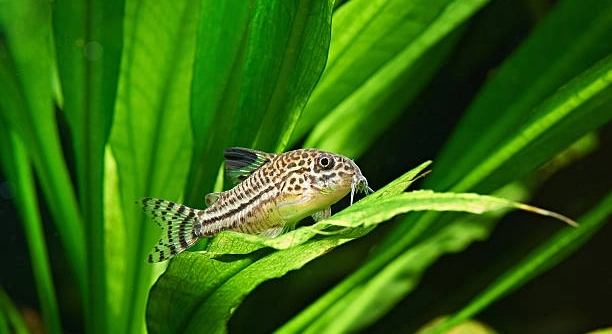
Corydoras catfish are popular aquarium fish known for their peaceful nature. However, when new tankmates are introduced, these gentle creatures may experience stress. Understanding the causes behind their discomfort can improve their well-being.
New tankmates can cause stress in Corydoras catfish due to factors like aggression, competition for food, territorial disputes, and differences in water preferences. The introduction of unfamiliar fish may lead to heightened anxiety, affecting their health and behavior.
By recognizing these stress triggers, you can create a more harmonious environment. Properly managing new tankmate introductions ensures that your Corydoras catfish stay happy and healthy. This article will walk you through the reasons behind their stress.
Aggressive Tankmates Can Be Too Much for Corydoras
Introducing aggressive fish to your tank can make your Corydoras feel threatened. These peaceful creatures prefer calm and quiet surroundings, and any aggression from new tankmates can cause them a great deal of stress. Even fish that are only mildly aggressive can make your Corydoras feel unsafe, leading to anxiety and poor health. In the wild, Corydoras are used to living in groups, often with no competition for space or food. When new tankmates display territorial behavior, it disrupts their sense of security. Aggressive fish may nip at their fins or chase them, creating a stressful environment.
Aggression can lead to the Corydoras being constantly on edge, which can result in a weakened immune system and other health problems. This makes it crucial to carefully consider the compatibility of your fish before adding any newcomers.
If you notice your Corydoras hiding or swimming nervously, it could be due to aggression from other tankmates. To reduce stress, ensure your aquarium is stocked with peaceful species and observe their behavior closely. Creating a calm environment allows your Corydoras to thrive.
Competition for Food
Corydoras are bottom-dwellers, often feeding on leftover food in the tank. When you introduce new fish, especially those that are more aggressive or faster feeders, your Corydoras might not get enough food. This can lead to hunger, weakened health, and increased stress.
When new tankmates compete with your Corydoras for food, the fish may struggle to get their share. It can result in malnutrition over time if this issue is not addressed. To keep your Corydoras healthy, ensure they have access to enough food and consider feeding them separately from more aggressive tankmates. This way, they can eat without the stress of competition.
New Tankmates Disrupt Familiar Territory
When new fish are introduced, they may invade areas that your Corydoras have already claimed as their own. Corydoras like to feel comfortable in their space, and if new tankmates start occupying the same spots, it can cause stress. They might feel crowded or threatened by these changes, which can affect their behavior. Corydoras are sensitive creatures, and having to constantly adjust to unfamiliar surroundings can take a toll on their well-being.
The stress from territorial disputes may lead to hiding more often or swimming anxiously. Some Corydoras may become less active and stop exploring their environment as they normally would. To help your Corydoras adjust, try to minimize changes in their tank and give them plenty of hiding spots to retreat to. This will help them feel safe and reduce stress in their new environment.
If your Corydoras start acting more withdrawn or less active after adding new tankmates, it could be due to territorial issues. Keeping a close eye on their behavior will allow you to spot signs of stress early and address them quickly. Making adjustments to the tank setup, like adding more hiding places, can make a huge difference.
Differences in Water Conditions
Every fish has its own preferences for water conditions. Corydoras are relatively hardy, but they do best in water that’s soft, slightly acidic, and well-oxygenated. When new fish that require different water parameters are introduced, it can create an unhealthy environment for the Corydoras. For example, certain species may prefer harder or more alkaline water, which can cause stress to your Corydoras if the water conditions don’t suit their needs.
If you notice your Corydoras behaving differently after new fish are introduced, check the water parameters to make sure they are still within a range that your Corydoras are comfortable with. Changes in pH or hardness can affect their health, causing stress and even illness. If necessary, adjust the water conditions slowly to avoid sudden shifts that could further upset the balance.
Ensuring that the water parameters are consistent and suitable for all fish in the tank will help reduce stress. Be sure to monitor the tank regularly, especially after adding new tankmates. If the water conditions are right, your Corydoras will feel more secure and less stressed. This simple adjustment can make a big difference in their comfort and health.
Overcrowding the Tank
Adding too many fish at once can quickly overcrowd the tank, which stresses Corydoras. These catfish prefer having space to roam and explore, and when the tank becomes too crowded, they feel cramped. Overcrowding can also lead to poor water quality and increased waste, making it harder to maintain a healthy environment for your fish.
The added stress from overcrowding can affect your Corydoras’ health and behavior. It may lead to aggression between fish, fewer hiding spots, and a lack of oxygen. To keep your Corydoras comfortable, avoid overloading the tank and stick to the recommended number of fish per gallon. This will help reduce stress and keep the water quality stable.
Ensure your tank has enough space for all inhabitants to live comfortably. By maintaining proper stocking levels, you help prevent unnecessary stress and keep your Corydoras happy and healthy.
Poor Water Quality
Introducing new fish can disrupt the tank’s ecosystem and lead to fluctuating water quality. When new fish are added, their waste increases, which may not be processed fast enough by the filter. As a result, ammonia and nitrite levels can rise, causing harmful water conditions for your Corydoras.
Your Corydoras may show signs of stress when water quality is poor, including gasping for air, swimming near the surface, or increased hiding behavior. Regular water testing and maintenance are key to preventing these issues. Adding new fish slowly and monitoring the water parameters can help maintain balance and keep the tank clean.
Keeping the tank well-filtered and performing routine water changes will ensure that the environment stays safe and comfortable for your Corydoras and all other tankmates. Healthy water quality is essential for keeping your fish stress-free.
Incompatible Feeding Habits
Different fish have different feeding habits, and if new tankmates need a different type of food, it could cause stress for your Corydoras. Corydoras are bottom-feeders and prefer sinking pellets or small particles of food that settle on the substrate. If new fish are fast swimmers or prefer eating at the surface, your Corydoras may miss out on food, leading to hunger and frustration.
When feeding time arrives, ensure that food reaches the bottom of the tank where Corydoras can access it. Consider feeding them separately from other fish to avoid competition. This simple adjustment ensures that they are properly fed and don’t feel stressed or neglected.
Feeding your Corydoras properly is essential for their health and reducing stress. Pay attention to the feeding behavior of all tankmates and make adjustments to prevent conflict during meals.
FAQ
What are the signs that my Corydoras is stressed by new tankmates?
Corydoras can show several signs of stress when they are uncomfortable with new tankmates. They might start hiding more often or swim erratically, avoiding other fish. A stressed Corydoras may also lose its appetite, become lethargic, or have faded color. If you see any of these changes, it’s a good idea to assess the tank conditions and the new fish you’ve added. Check for aggression, competition for food, or territorial issues. Stress can lead to health problems, so it’s important to monitor their behavior closely.
How can I help my Corydoras feel safer with new fish?
One way to help your Corydoras feel safer is to provide plenty of hiding spots. Add plants, rocks, and caves to the tank so they have places to retreat if they feel threatened. It’s also important to introduce new fish gradually, allowing your Corydoras to adjust to the changes in their environment. Make sure your tank is not overcrowded and that the water quality is stable. Reducing the stress from tankmates can help your Corydoras settle into the new setup more comfortably.
Can I add any fish to my tank with Corydoras?
Not all fish are suitable tankmates for Corydoras. Since they are peaceful and bottom-dwelling, you should avoid adding aggressive or overly active fish. Larger fish that might view them as prey or fast-moving fish that can compete for food may stress your Corydoras. Ideally, you should look for small, peaceful species that won’t disturb your Corydoras’ territory. Always research the specific needs and behaviors of any potential tankmates before introducing them.
How long should I wait before adding new fish to my tank with Corydoras?
When adding new fish, it’s best to wait at least a few days to a week before making any changes. This gives your Corydoras time to adjust to the existing environment and reduces the chances of shocking the system with a sudden influx of new fish. Gradually introduce new tankmates over time instead of all at once. This slower process helps maintain balance in the aquarium, giving both the Corydoras and the new fish time to adjust.
What should I do if my Corydoras is not eating after new fish are introduced?
If your Corydoras stops eating after new fish are introduced, it could be a sign of stress. Check if the new fish are eating too much of the food or being too competitive at feeding time. You may need to feed your Corydoras separately, offering sinking pellets or other foods that they can easily access. If the issue continues, check the water quality, as poor conditions could also cause a loss of appetite. If necessary, isolate the stressed fish to give it time to recover.
How can I reduce aggression in my aquarium with Corydoras?
To reduce aggression, it’s essential to carefully choose compatible tankmates for your Corydoras. Avoid adding overly territorial or aggressive species. Provide plenty of hiding spaces for all fish to reduce territorial disputes. Maintaining a proper stocking level can help ensure there’s enough space for each fish to feel safe. Additionally, adding fish in small groups rather than individually can help balance the social dynamics of the tank. Lastly, avoid overcrowding, as this can increase competition and aggression among fish.
Do Corydoras need a lot of space?
Yes, Corydoras appreciate having space to swim and explore. While they are not particularly large fish, they do best in tanks that provide ample room for them to move around comfortably. A tank with a good amount of substrate is important, as they like to search for food on the bottom. Overcrowding a tank with too many fish can lead to stress, poor water quality, and aggression. Providing enough space for your Corydoras and other tankmates ensures a healthy, stress-free environment for everyone.
What water conditions are best for Corydoras?
Corydoras prefer soft, slightly acidic water with a temperature range of 72 to 78°F (22 to 26°C). They thrive in well-oxygenated water with a gentle current. Consistent water parameters are key to keeping Corydoras healthy. Fluctuations in pH, hardness, or temperature can cause stress and health issues. Before adding new fish, ensure the water conditions in your tank are suitable for all species. Regular water changes and a good filtration system help maintain the proper environment for your Corydoras and other fish.
Should I quarantine new fish before adding them to my Corydoras tank?
Yes, quarantining new fish is always a good idea. By placing them in a separate quarantine tank for at least two weeks, you can monitor them for signs of illness or parasites before introducing them to the main tank. This helps prevent the spread of disease to your Corydoras and other tankmates. Quarantining new fish also gives your Corydoras time to adjust to any changes in the tank, such as new tankmates or adjustments to the water conditions.
How can I tell if my Corydoras is sick or stressed from new fish?
If your Corydoras is sick, you might notice physical signs such as faded coloring, fin clamping, or unusual swimming patterns. Stressed Corydoras may also become more reclusive, hiding frequently, or refuse to eat. If your fish is stressed due to new tankmates, it’s important to address the source of the stress immediately. Check for aggression, poor water quality, or overcrowding. In the case of illness, look for other signs like abnormal gill movement, spots on the skin, or labored breathing. Quick action can prevent further issues.
What is the best way to introduce new tankmates to my Corydoras tank?
The best way to introduce new tankmates is slowly and carefully. Before adding new fish, make sure they are compatible with your Corydoras in terms of size, temperament, and water needs. Introduce the new fish gradually, and monitor the tank closely for any signs of stress or aggression. Keep the new fish in a quarantine tank for a couple of weeks before moving them into the main tank. This allows both your Corydoras and the new fish time to adjust to the changes.
Can Corydoras tolerate higher water temperatures when new fish are added?
Corydoras are quite sensitive to changes in water temperature. Although they prefer temperatures between 72 to 78°F (22 to 26°C), higher temperatures can stress them. If the water temperature increases due to the addition of new fish, it can cause your Corydoras to become more sluggish or anxious. Rapid temperature changes are particularly harmful, so it’s important to monitor and maintain a stable temperature. If you need to adjust the water temperature, do it gradually to avoid putting unnecessary stress on your Corydoras and other fish.
Final Thoughts
Adding new fish to your aquarium can be exciting, but it’s important to remember that not all fish get along. Corydoras catfish, while peaceful and easy to care for, can become stressed by new tankmates. Whether it’s due to aggression, competition for food, or territorial disputes, any change in their environment can lead to discomfort. Monitoring their behavior and the tank conditions will help you spot stress early and take action to make their surroundings more comfortable.
The key to keeping Corydoras happy is creating a calm and stable environment. Providing plenty of hiding spots, maintaining good water quality, and choosing compatible tankmates are crucial steps. You should also avoid overcrowding, as too many fish can cause unnecessary stress. Understanding the needs of your Corydoras and the other fish in your tank can go a long way in creating a harmonious atmosphere. By observing your fish closely and making thoughtful adjustments, you can ensure that they live in an environment where they feel safe and secure.
While stress is a natural part of life for any fish, it doesn’t have to be harmful if managed well. If you take the time to monitor and adjust as needed, your Corydoras will adapt to new tankmates more easily. It’s about balance—balancing the number of fish, their individual needs, and the overall tank conditions. By considering the factors that stress your Corydoras and taking steps to minimize them, you can create an environment that supports all your fish, allowing them to live together peacefully and thrive.

Hello,
If you enjoy the content that we create, please consider saying a "Thank You!" by leaving a tip.
Every little bit helps us continue crafting quality advice that supports the health, happiness, and well-being of pets around the world, for pets of all shapes, sizes, and species.
We really appreciate the kindness and support that you show us!