
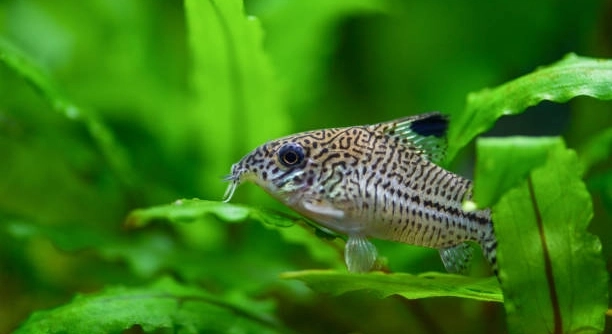
Corydoras catfish are a popular choice for many aquarium enthusiasts, known for their calm demeanor and interesting behaviors. If your Corydoras keeps swimming to the surface, you might wonder what’s causing this unusual activity.
There are several possible reasons why your Corydoras catfish keeps going up to the surface, including oxygen depletion, poor water quality, or the fish’s natural behavior. It’s essential to observe their environment and health to determine the exact cause.
Understanding these potential causes can help you maintain a healthy aquarium and ensure your Corydoras stays comfortable. Keep reading to explore more.
Oxygen Depletion in the Tank
Corydoras catfish are bottom dwellers and prefer oxygen-rich water. If the oxygen levels in your tank drop, they may rise to the surface to gulp air. This behavior is especially common in tanks that lack adequate water movement or filtration. Oxygen depletion can occur due to poor water circulation, overfeeding, or overcrowding. When fish are unable to extract enough oxygen from the water, they instinctively go to the surface where the oxygen content is higher.
A good solution is to ensure your filter is working efficiently and the water is circulating properly. Aeration devices like air stones can also help boost oxygen levels. Be mindful of how many fish you have in the tank, as overpopulation can lead to oxygen depletion. Regularly check water parameters like ammonia, nitrites, and nitrates to avoid any harmful buildup.
In general, a well-maintained aquarium with proper aeration will reduce the likelihood of oxygen-related issues and keep your Corydoras catfish at ease. Make sure your filter and aeration system are up to par to maintain a healthy environment for your fish.
Poor Water Quality
Dirty water can lead to many problems for your fish, including increased surface activity. If water quality drops, Corydoras may go to the surface to escape toxins or harmful chemicals. Regular water changes and proper filtration are key to maintaining clean water.
Improper tank maintenance can lead to ammonia or nitrate build-up, making the water unsafe for your fish. Corydoras are sensitive to such conditions, so be vigilant with your cleaning routine. Use a reliable filter and test the water regularly to keep the tank safe for all inhabitants. Keep the water clear, and your catfish will thrive.
Temperature Fluctuations
Temperature changes in your aquarium can cause Corydoras to behave differently. If the water is too warm or cold, they may go to the surface in search of more comfortable conditions. Sudden fluctuations can be stressful, causing them to seek air near the top.
Corydoras prefer a stable temperature range between 72°F and 78°F. When the water temperature rises too much or drops suddenly, fish often rise to the surface, gasping for air. To prevent this, make sure your aquarium heater works correctly, and avoid placing the tank in direct sunlight or near heat sources. Using a thermometer can help you monitor any temperature changes regularly.
If you notice that temperature fluctuations are affecting your fish’s behavior, consider investing in a reliable aquarium heater and cooling system. Consistent water temperature is essential to keep your fish healthy and reduce stress.
Natural Behavior
Corydoras catfish are naturally active fish that like to explore all parts of their environment. They are known for their tendency to swim to the surface, even when everything seems normal. This behavior is common and part of their natural instincts.
While they are primarily bottom dwellers, Corydoras often swim to the surface for a breath of air, especially after digging through substrate or foraging. This behavior can also occur in the wild, where they adapt to different environments. The occasional trip to the surface is nothing to worry about as long as it doesn’t happen too frequently.
It’s important to understand that Corydoras may need to surface from time to time, even if the tank conditions are good. This natural behavior doesn’t always indicate a problem, but it can be a sign of other issues if it becomes excessive.
Inadequate Food Supply
Corydoras are bottom feeders and rely on finding food near the substrate. If they can’t find enough food, they may rise to the surface, hoping to find something there. This behavior often happens when they’re not being fed a varied diet or if there’s too much competition for food.
To avoid this, ensure you’re feeding your Corydoras a balanced diet, including sinking pellets, flakes, and occasional live or frozen foods. Also, provide enough food for all your fish so that no one is left hungry. Properly portioned meals will help keep them from scavenging at the surface.
Overcrowding
Overcrowding in the tank can also contribute to surface activity. When too many fish are in a small space, oxygen levels decrease and stress increases. Corydoras will go to the surface to try and get more oxygen, signaling that the tank is too crowded.
Consider the size of your tank and ensure you don’t exceed the recommended number of fish. Maintaining appropriate stocking levels is crucial for the health of your fish. A crowded tank can cause aggression, stress, and make it difficult for everyone to get enough oxygen.
Illness or Injury
If your Corydoras catfish is sick or injured, it might swim to the surface more often. Fish that are struggling with disease may have trouble breathing or moving properly, leading them to seek air at the surface. This is especially true for gill-related illnesses.
If you notice your catfish consistently swimming to the top, check for signs of illness like abnormal swimming patterns, discoloration, or wounds. Quarantine the sick fish and treat the condition promptly. Regularly checking your fish’s health can help you catch problems early and prevent further complications.
FAQ
Why does my Corydoras swim to the surface at night?
Corydoras are naturally active during the day but can also swim to the surface at night. This behavior may occur as they search for food or oxygen, or simply because they are exploring their environment. Some fish are more active at night, especially in low-light conditions. If the behavior is occasional, there’s generally no cause for concern. However, if it becomes frequent, check your water parameters and the tank’s oxygen levels.
Can I stop my Corydoras from going to the surface?
If your Corydoras are constantly swimming to the surface, it could be due to low oxygen levels, poor water quality, or temperature fluctuations. Improving water circulation with a reliable filter, ensuring consistent temperature, and doing regular water changes can help. Adding aeration devices like air stones or reducing tank overcrowding may also reduce the need for your fish to seek air at the surface.
How can I tell if my Corydoras is stressed?
Stressed Corydoras may display erratic swimming patterns, such as constant darting to the surface or hiding. They may also lose their appetite or become more aggressive toward other tankmates. You might also notice clamped fins, which is a sign of discomfort. It’s important to monitor water quality, temperature, and tank conditions regularly to prevent stress.
Is it okay for my Corydoras to stay at the surface for long periods?
Corydoras are bottom-dwelling fish, but occasional surface visits are normal. However, if they stay at the surface for long periods, it could be a sign of poor water quality, low oxygen levels, or a health issue. Regular water testing and maintenance are essential. If the problem persists, consult a veterinarian or aquarist.
Do Corydoras need a lot of space?
Yes, Corydoras need enough space to swim and forage freely. Overcrowding can lead to oxygen depletion and stress. A good rule of thumb is to have at least 10 gallons of water for every 3-4 Corydoras. Providing plenty of hiding spots and swimming areas will help them feel secure and reduce surface visits.
Can Corydoras live with other fish?
Corydoras are peaceful and generally do well with other fish that are not aggressive. They often make great tankmates for community aquariums. However, avoid keeping them with fish that may nip at their fins or dominate the tank. Always consider the size of the tank and compatibility of different species when choosing tankmates.
How do I maintain good water quality for my Corydoras?
Good water quality is key to keeping your Corydoras healthy. Regular water changes (about 25% every two weeks) help maintain clean water. Use a quality filter to ensure proper filtration and aeration. Test the water regularly for ammonia, nitrites, nitrates, and pH levels. Keep the temperature stable and avoid overfeeding.
What is the ideal temperature for Corydoras catfish?
Corydoras thrive in temperatures between 72°F and 78°F. A sudden drop or rise in temperature can stress the fish and cause surface swimming. Use a reliable aquarium heater and thermometer to maintain a consistent temperature. If the water is too warm or too cold, Corydoras will often go to the surface to seek comfort.
Can I add plants to the tank with my Corydoras?
Yes, Corydoras enjoy having plants in their environment. Plants provide hiding spots and create a more natural habitat. Just make sure the plants are not too dense, as this could reduce swimming space and increase competition for oxygen. Plants like Java Fern or Anubias are ideal, as they are low-maintenance and thrive in similar conditions.
How often should I feed my Corydoras?
Feed your Corydoras once or twice a day, offering small amounts of food that they can consume in a few minutes. Overfeeding can lead to water quality issues and may encourage surface swimming. Use sinking pellets or wafers to ensure they can access their food at the bottom of the tank. It’s also important to offer a varied diet that includes occasional live or frozen food like bloodworms or brine shrimp.
Is my Corydoras sick if it’s staying near the surface?
Not necessarily. While staying at the surface can indicate a health problem, it could also be related to environmental factors like low oxygen levels or high water temperature. If your Corydoras exhibits other signs such as loss of appetite, lethargy, or abnormal swimming, it could be a sign of illness. In that case, check the water conditions and consider isolating the fish for treatment if needed.
Why are my Corydoras staying at the surface when I add new fish?
New additions to the tank can sometimes cause stress, especially if the tankmates are aggressive or unfamiliar. Corydoras may swim to the surface as a response to feeling threatened. It’s important to acclimate new fish slowly and monitor their interactions. Make sure the tank is large enough for everyone and that the new fish are compatible with the Corydoras.
Final Thoughts
Corydoras catfish are fascinating and peaceful creatures that make great additions to many community tanks. While it’s common for them to swim to the surface occasionally, consistent behavior at the top can indicate issues like poor water quality, low oxygen levels, or overcrowding. Observing their behavior and making adjustments can help ensure your Corydoras stay healthy and happy. Regular water changes, proper filtration, and a balanced diet are key to providing a stable environment for them to thrive.
It’s also important to consider their tankmates. Corydoras do best in peaceful settings with other non-aggressive fish. If they feel threatened or stressed, they may swim to the surface more often. Ensuring your tank is large enough for everyone and providing plenty of hiding spots can reduce stress. Keep in mind that these fish are bottom dwellers, and they prefer to stay near the substrate. So, maintaining good tank conditions and minimizing disturbances is crucial for their well-being.
In conclusion, if your Corydoras catfish frequently swim to the surface, it’s essential to investigate the cause. Checking water parameters, ensuring they have enough space, and providing a stress-free environment are simple but effective ways to address the issue. When kept in the right conditions, Corydoras can be a joy to observe and a peaceful addition to your aquarium for years to come.

Hello,
If you enjoy the content that we create, please consider saying a "Thank You!" by leaving a tip.
Every little bit helps us continue crafting quality advice that supports the health, happiness, and well-being of pets around the world, for pets of all shapes, sizes, and species.
We really appreciate the kindness and support that you show us!