
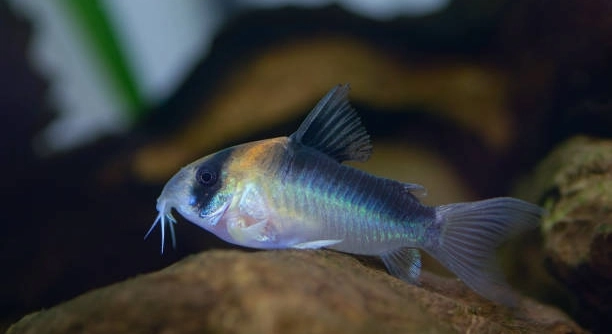
Corydoras catfish are fascinating aquarium fish, but their behavior can sometimes leave owners puzzled. One common concern is when they frequently hide under decorations. Understanding why this happens can help improve their well-being.
Corydoras catfish often hide under decorations due to factors such as stress, illness, or poor water quality. These fish may seek shelter when they feel threatened or uncomfortable in their environment. Proper care can address these concerns.
There are several reasons behind this behavior, ranging from water conditions to social factors. Recognizing and addressing these causes will improve the comfort and health of your Corydoras catfish.
Stress from Poor Water Conditions
Corydoras catfish are sensitive to their environment. If the water quality in the tank is poor, they may seek shelter under decorations. High levels of ammonia or nitrates can lead to stress, causing the catfish to hide. It’s essential to regularly check water parameters and maintain clean, stable conditions. Corydoras thrive in well-filtered water with stable pH, temperature, and low toxicity. When these factors are out of balance, they feel unsafe and retreat to a hidden spot.
Water changes are crucial in maintaining a healthy environment for your fish. If you notice your Corydoras hiding often, check the water for harmful chemicals. Adjusting the filtration system and ensuring proper aeration will make the fish feel more secure.
A consistent routine for water changes and monitoring parameters will reduce stress in your catfish. This way, the Corydoras will feel more comfortable swimming around and interacting with the environment instead of hiding under decorations.
Illness or Injury
Sometimes, Corydoras may hide due to illness or injury. When feeling unwell, they instinctively seek out quiet places to rest. These catfish are small and gentle, so any discomfort can cause them to withdraw from the aquarium’s activity. Illness symptoms, such as faded colors, lethargy, or abnormal swimming patterns, should be watched for. It’s important to separate the fish if an injury is suspected to prevent further harm.
Monitoring behavior closely will help in identifying health problems early on. If the fish show no improvement after a few days, consulting a vet who specializes in fish care may be necessary. The earlier the issue is addressed, the better the chances of recovery.
Ensuring the tank is free from sharp objects and hazards will help prevent injuries, while maintaining good water quality will reduce the risk of disease. Regularly observing your Corydoras can help you spot potential health issues before they worsen.
Tank Mates and Social Stress
Corydoras catfish are social creatures and thrive in groups. However, when housed with aggressive tank mates, they may become stressed and hide more often. Fish that are overly territorial or overly active can cause the Corydoras to seek safety under decorations.
To prevent this, ensure that tank mates are peaceful and compatible. Avoid housing Corydoras with aggressive or overly large fish, which can intimidate them. Suitable companions for Corydoras include small, peaceful fish such as tetras, rasboras, and guppies. Keeping the tank well-planted with plenty of hiding spots also helps.
Introducing new fish should be done gradually to reduce territorial behavior. If aggression continues, consider relocating the more dominant fish to another tank. This will give your Corydoras a safer space and allow them to swim freely without feeling threatened. A calm, harmonious environment promotes better health and well-being for your fish.
Water Temperature Fluctuations
Corydoras catfish prefer stable water temperatures. Fluctuations in temperature, whether due to inconsistent heaters or a sudden change in the environment, can cause them to hide. Cold water or temperatures that fluctuate too much can stress the fish and make them seek shelter.
Maintaining a consistent water temperature is essential. Invest in a reliable heater that can keep the tank within the preferred range of 72-78°F (22-26°C). Avoid placing the aquarium near windows or vents, as external temperature changes can affect the water. Keep the room temperature stable, and check the heater regularly to ensure it’s functioning correctly.
It’s also a good idea to use a thermometer to monitor the water temperature consistently. Sudden changes, even if minor, can create stress, causing your Corydoras to hide more often. Stability in water temperature plays a crucial role in the comfort of these fish, allowing them to feel secure enough to explore their surroundings.
Overcrowding
Overcrowding in an aquarium can cause stress for Corydoras catfish. When there isn’t enough space to swim comfortably, the fish may retreat under decorations for safety. This reduces their ability to interact with the tank and other fish.
To avoid overcrowding, calculate the proper stocking density for your tank size. Corydoras need ample space to move freely without competition for oxygen or food. A general guideline is one inch of fish per gallon of water, though this can vary depending on the species and filtration system.
Regularly monitor the number of fish in the tank and adjust accordingly to keep the environment stress-free. Less crowding means more opportunities for Corydoras to feel secure and explore.
Inadequate Hiding Spots
Corydoras catfish are bottom dwellers that seek refuge in hidden spots. If the tank lacks adequate hiding spaces, they may feel exposed and stressed. Decorations such as plants, rocks, or caves provide these essential hiding places.
To make your Corydoras feel safe, create a varied environment with plenty of hiding spots. Aquatic plants like Java moss or small caves can help. Ensure that the hiding spots are large enough for the fish to swim into comfortably. A tank that mimics their natural habitat with plenty of places to hide promotes their health.
A well-designed tank reduces stress, helping the Corydoras feel more secure and confident in their surroundings.
Tank Size
The size of your tank directly impacts the comfort of Corydoras catfish. A small tank can cause the fish to feel confined and stressed, leading to more hiding. Larger tanks give fish more space to roam and reduce feelings of overcrowding.
Corydoras thrive in tanks of at least 20 gallons, with additional space for each extra fish. A larger tank allows for better water circulation, more hiding spots, and a more stable environment overall. Avoid placing Corydoras in smaller tanks, as it may lead to stress and hiding behavior. Proper tank size is essential for their long-term health.
FAQ
Why do Corydoras catfish hide so much?
Corydoras catfish hide primarily due to stress, illness, or environmental factors. Poor water conditions, such as high ammonia levels, can make them feel unsafe. Inadequate tank mates or aggressive fish can also cause them to seek shelter. Additionally, Corydoras may hide when they feel threatened or overwhelmed by changes in their environment. Providing a stable and peaceful environment is essential for reducing this behavior.
How can I tell if my Corydoras catfish is stressed?
Signs of stress in Corydoras include hiding more than usual, rapid breathing, or staying in one spot for extended periods. Stress can also cause them to swim erratically or become less active. If you notice these behaviors, check the water quality and ensure the tank environment is suitable for them. Stress may also manifest as faded coloration or a loss of appetite.
What should I do if my Corydoras catfish is hiding constantly?
If your Corydoras is hiding too often, first check the water conditions. High levels of ammonia or nitrates can cause stress, so performing a water change and adjusting filtration is essential. Make sure the tank has enough hiding spots and a peaceful environment. If the fish is still hiding, observe it closely for signs of illness or injury, and separate it from other fish if necessary.
Can Corydoras catfish get lonely?
Corydoras are social fish and prefer to be in groups. While they won’t necessarily become lonely, they may show signs of stress if kept alone. Keeping them in schools of three or more will help them feel more secure and active. They are peaceful and will interact with other fish in a calm environment.
How often should I feed my Corydoras catfish?
Corydoras catfish are bottom feeders and generally eat once or twice a day. Offer a small amount of food they can consume in a few minutes to prevent overfeeding. They primarily feed on sinking pellets or live food such as bloodworms, but they also enjoy scavenging leftover food from the tank. Make sure to remove any uneaten food to maintain water quality.
Do Corydoras catfish need a filter?
Yes, Corydoras catfish require a filter to maintain clean water and ensure proper oxygenation. They are sensitive to water quality, and a reliable filtration system helps keep harmful chemicals, such as ammonia, in check. A good filter also helps keep the water temperature stable, reducing stress on the fish. However, avoid strong currents, as Corydoras prefer calm waters.
What tank size do Corydoras catfish need?
Corydoras catfish require a tank of at least 20 gallons to thrive. A larger tank allows for proper filtration, more hiding spots, and less stress from overcrowding. When keeping multiple Corydoras, a larger tank ensures they have enough space to move around and feel secure. Smaller tanks often lead to stress and hiding behaviors, as they feel cramped.
Can Corydoras catfish live with other fish?
Yes, Corydoras catfish are peaceful and do well in community tanks with other non-aggressive fish. They can live with species such as tetras, guppies, and rasboras. However, they should not be kept with larger, more aggressive fish that may intimidate or harm them. Make sure to choose tank mates that will not stress the Corydoras.
Why are my Corydoras catfish swimming at the surface?
If your Corydoras are swimming at the surface, it may be a sign of low oxygen levels in the tank. Corydoras are bottom dwellers but will move to the surface if the oxygen supply is insufficient. Check the water’s oxygen levels and ensure the filter is working properly. Adding an air pump or increasing water movement can help.
What water conditions are best for Corydoras catfish?
Corydoras catfish prefer a pH level between 6.0 and 7.5, with soft to moderately hard water. They thrive in a water temperature range of 72-78°F (22-26°C). Regular water changes are crucial to maintaining water quality. Make sure the tank has proper filtration and avoid sudden temperature fluctuations, as these can stress the fish.
Final Thoughts
Corydoras catfish are relatively easy to care for, but like all fish, they need a suitable environment to thrive. Ensuring your Corydoras are housed in a stable tank with peaceful tank mates and the right water conditions will help prevent stress and keep them healthy. When they feel safe and comfortable, they are more likely to be active and explore their tank.
Stress is a major factor that leads to hiding behaviors, so it’s essential to keep an eye on the water quality and temperature. Consistent water parameters, such as temperature, pH, and ammonia levels, play a crucial role in preventing stress in Corydoras. Make sure you maintain a balanced ecosystem where your fish can move freely and access enough hiding spots. When all these factors align, your Corydoras will feel more secure and show their natural, playful behavior.
If your Corydoras catfish continue to hide despite taking these steps, it’s essential to pay attention to other possible causes, such as illness or injury. Regularly monitor the health of your fish, and if needed, isolate sick fish from the group. Providing proper care, a well-maintained tank, and suitable tank mates will go a long way in making your Corydoras feel at ease. Ultimately, a stress-free environment will lead to a happier and healthier fish that is more visible and active in your tank.

Hello,
If you enjoy the content that we create, please consider saying a "Thank You!" by leaving a tip.
Every little bit helps us continue crafting quality advice that supports the health, happiness, and well-being of pets around the world, for pets of all shapes, sizes, and species.
We really appreciate the kindness and support that you show us!