
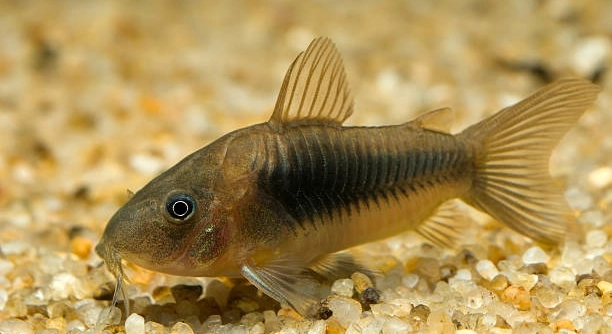
Corydoras catfish are peaceful and slow-moving fish, but when they start swimming too fast, it may indicate an underlying issue. Understanding the causes behind this behavior is essential to keeping them healthy and comfortable in your tank.
Several factors can cause Corydoras catfish to swim too fast, including stress, water quality issues, and improper tank conditions. Overcrowding, poor water filtration, and fluctuations in temperature are common culprits that affect their normal behavior.
Addressing these factors can help restore balance and comfort to your Corydoras. Maintaining optimal tank conditions is crucial for their well-being, and by exploring the causes, you can ensure a healthier environment for your fish.
Stress in Corydoras Catfish
Stress is a common cause of fast swimming in Corydoras catfish. This can happen due to sudden changes in the tank environment, like moving the tank or adding new fish. Corydoras are sensitive to their surroundings, and disruptions can cause anxiety. Additionally, aggressive tankmates may also cause them to swim erratically. Stress can weaken their immune system, making them more vulnerable to diseases. It is essential to provide a calm and stable environment to help them feel safe. If the fish seem particularly agitated, consider moving them to a quieter area of the tank.
Stress can lead to more than just fast swimming. It can also cause Corydoras to hide more often or show signs of injury. The faster they swim, the more energy they use, which leads to exhaustion. This is why stress management is crucial for their health.
If you notice your Corydoras catfish swimming too quickly, take a moment to review their environment. Removing potential stressors can greatly improve their behavior and overall well-being.
Water Quality Issues
The quality of water plays a vital role in the health of Corydoras catfish. Poor water conditions, such as high ammonia levels or low oxygen, can lead to rapid swimming. Corydoras are bottom dwellers that prefer clean, well-oxygenated water. They may swim erratically if the water is polluted, as they try to find better conditions.
A regular water change schedule is essential to keep ammonia and nitrate levels under control. Inadequate filtration can also contribute to these water issues. Proper filtration systems help maintain water quality, ensuring that your fish remain calm and healthy. Furthermore, maintaining the right temperature (between 72-78°F) is crucial.
If your Corydoras are swimming too fast, it’s important to test the water frequently. Addressing any imbalances quickly can prevent long-term health issues, such as stress or infection. Keeping water parameters in check will also encourage more natural behavior from your fish.
Overcrowding in the Tank
Overcrowding can cause Corydoras catfish to swim faster than usual. When there are too many fish in the tank, they may feel stressed due to limited space. This stress can result in erratic swimming behavior as they try to navigate through the crowded environment.
To avoid overcrowding, ensure there is enough space for each fish. A good rule is to provide at least 1.5 to 2 gallons of water per inch of fish. A crowded tank not only causes stress but also leads to poor water quality, further worsening the issue.
If you’re noticing your Corydoras swimming too fast, consider reducing the number of fish in the tank. Giving them more room can alleviate stress, restore their natural swimming patterns, and promote a healthier environment overall.
Temperature Fluctuations
Corydoras catfish are sensitive to changes in temperature. Rapid fluctuations in water temperature can cause them to swim erratically, as they try to adjust to the new conditions. Consistent temperatures are key to keeping these fish calm and comfortable.
To avoid temperature stress, invest in a reliable aquarium heater with a thermostat. Keep the water between 72°F and 78°F to maintain their optimal health. Rapid changes in temperature can weaken their immune system and make them more susceptible to diseases.
If your Corydoras are swimming too fast, check the temperature closely. Even small fluctuations in temperature could be the cause, and adjusting it to a steady range will help maintain their normal behavior. A stable temperature will allow them to thrive in their tank.
Poor Water Filtration
Poor water filtration can lead to an increase in harmful chemicals, such as ammonia and nitrates, which can cause Corydoras catfish to swim too fast. They may try to escape the polluted environment, leading to erratic movements. Regularly check your filtration system to ensure it’s working properly.
Inadequate filtration not only causes poor water quality but also reduces oxygen levels. Corydoras are bottom dwellers, and they require a steady flow of oxygen to stay healthy. Without it, they may become stressed, swimming faster in an attempt to find a more oxygenated area.
Ensure your filter is powerful enough for your tank’s size. Regularly clean and replace filter media to maintain proper filtration and water flow. A good filter helps keep the water clean, reducing stress and allowing your fish to swim calmly.
Tankmates
Corydoras catfish are peaceful, but aggressive or overly active tankmates can cause them to swim faster. If they feel threatened by other fish, they may swim erratically to avoid conflict. This stress can lead to unhealthy behaviors.
Monitor interactions between fish carefully. Aggressive species may cause constant stress for your Corydoras, especially if they chase or nip at them. Choosing peaceful tankmates that don’t disrupt the environment will help maintain a calm atmosphere for your fish.
By carefully selecting tankmates, you create a peaceful environment where your Corydoras can thrive and swim naturally.
Illness or Injury
If your Corydoras is swimming too fast, it could indicate illness or injury. Infections or wounds can cause pain, leading to erratic behavior. Look for other signs like faded colors or unusual swimming patterns.
Illness can result from poor water quality or stress, and fast swimming may be a symptom of discomfort. If your fish appears injured or unwell, isolate it and check the water parameters. Providing proper care and treatment will help the fish recover.
Injured or sick Corydoras may need special attention, such as antibiotics or isolation in a quarantine tank. Prompt action can prevent further complications.
FAQ
Why is my Corydoras swimming too fast?
Fast swimming in Corydoras catfish is often caused by stress, poor water quality, or environmental issues. If your fish is swimming erratically, check for overcrowding, temperature fluctuations, or inadequate filtration. These factors can lead to stress, causing them to swim unnaturally fast in an attempt to escape discomfort.
Can Corydoras catfish handle fast water currents?
Corydoras prefer calm waters with minimal current. Strong currents can cause them stress and make it difficult for them to swim naturally. If the water flow is too strong, consider adjusting the filter or adding plants or decorations to help diffuse the current, providing your fish with a calmer environment.
Is my Corydoras stressed because of my other fish?
Yes, Corydoras can become stressed by aggressive or overly active tankmates. If they feel threatened or are chased frequently, they may swim quickly to avoid contact. It’s important to pair Corydoras with peaceful species that won’t disturb their calm nature. Carefully observe interactions to ensure all fish coexist peacefully.
How often should I change the water in my Corydoras tank?
Water changes are crucial for maintaining good water quality. For a Corydoras tank, changing 20-30% of the water every 1-2 weeks is generally recommended. This helps remove waste, toxins, and excess nutrients, preventing conditions that could lead to stress or health issues in your fish.
Can Corydoras tolerate high temperatures?
Corydoras prefer water temperatures between 72°F and 78°F. They may struggle in water that’s too hot or too cold, which can lead to erratic swimming. If your tank temperature fluctuates above or below this range, it can cause stress and unhealthy behavior. Using a reliable heater with a thermostat can help maintain the ideal temperature.
Do Corydoras need a filter?
Yes, Corydoras require good water filtration to keep their environment clean. A proper filter helps maintain water quality by removing toxins and excess nutrients. Without adequate filtration, the water can quickly become polluted, leading to stress and fast swimming behavior. Make sure the filter is appropriately sized for the tank.
Why is my Corydoras swimming at the surface?
Corydoras are bottom dwellers, so if they’re swimming at the surface, it could be a sign of stress or water quality issues. Low oxygen levels, high ammonia, or poor filtration may prompt them to seek higher oxygen concentrations at the water’s surface. Check the water parameters and adjust as necessary.
What should I do if my Corydoras is injured?
If your Corydoras is injured, it’s essential to remove it from the main tank to prevent further stress. Place it in a quarantine tank with clean, warm water and monitor its condition closely. If the injury is severe, consider consulting a veterinarian or using appropriate treatment for fish wounds.
Can Corydoras live with shrimp?
Yes, Corydoras catfish can typically live with shrimp, as they are peaceful bottom dwellers. However, make sure the shrimp species you choose isn’t aggressive or likely to harm the Corydoras. Additionally, ensure that the shrimp are large enough to avoid being eaten by your catfish.
How can I tell if my Corydoras is sick?
Sick Corydoras may exhibit signs such as swimming erratically, staying at the surface, fading colors, or excessive hiding. Other symptoms could include clamped fins, lack of appetite, or visible lesions. If you notice any of these signs, isolate the fish and check water quality immediately to prevent spreading any illness.
What is the best substrate for Corydoras?
Corydoras prefer fine, soft substrates like sand or smooth gravel. They spend most of their time at the bottom of the tank, so rough or sharp substrates can harm their sensitive barbels. Sand allows them to forage naturally without injury, making it the ideal choice for their environment.
Do Corydoras need a heater?
Corydoras catfish are tropical fish and require a heater to maintain their ideal water temperature between 72°F and 78°F. Without a stable temperature, Corydoras can experience stress, which could lead to fast swimming and other health issues. Make sure your aquarium has a reliable heater that keeps the water at a consistent temperature.
Can Corydoras be kept in a tank with live plants?
Yes, Corydoras can thrive in a tank with live plants. In fact, plants can help create a more natural environment for them, providing hiding spots and improving water quality. Just be sure to choose plants that won’t be uprooted by their movements, as they like to forage along the bottom.
Why does my Corydoras swim in circles?
Swimming in circles may indicate a problem with the water quality or an underlying health issue. Poor water quality, such as high ammonia levels or inadequate filtration, can make the fish disoriented, causing abnormal swimming patterns. It’s essential to test the water and address any imbalances to prevent further issues.
How do I know if my Corydoras is happy?
Happy Corydoras are active and social, often swimming peacefully along the bottom of the tank. They will usually interact with other fish and spend time foraging. If they’re hiding frequently or swimming erratically, it could be a sign of stress or illness. Keep an eye on their behavior to ensure their well-being.
Final Thoughts
Corydoras catfish are peaceful and resilient creatures that can thrive in various environments. However, when they begin to swim too fast, it’s important to understand the underlying causes. Fast swimming can be a sign of stress, poor water quality, or environmental factors that are not ideal for their well-being. By addressing these factors, you can help ensure that your Corydoras are comfortable and healthy in their aquatic home.
One of the most important steps in preventing fast swimming is maintaining a clean, stable environment for your fish. Regular water changes, proper filtration, and monitoring water temperature can significantly reduce stress. Corydoras are sensitive to poor water conditions, and the absence of a proper filtration system can cause dangerous levels of toxins, which in turn, may lead to erratic swimming. It’s also crucial to keep their tankmates in check, as aggression from other fish can lead to anxiety and increase fast swimming behavior. By choosing peaceful tankmates and making adjustments to the tank environment, you can help reduce this kind of stress.
In the end, understanding the root cause of your Corydoras’ fast swimming is key to maintaining their health. Whether it’s stress from aggressive tankmates, poor water quality, or a potential illness, taking the right steps to address the issue will ensure they remain happy and thrive in their tank. Consistently checking water parameters, providing the right tankmates, and offering proper care will help your Corydoras swim naturally and comfortably for years to come.

Hello,
If you enjoy the content that we create, please consider saying a "Thank You!" by leaving a tip.
Every little bit helps us continue crafting quality advice that supports the health, happiness, and well-being of pets around the world, for pets of all shapes, sizes, and species.
We really appreciate the kindness and support that you show us!