
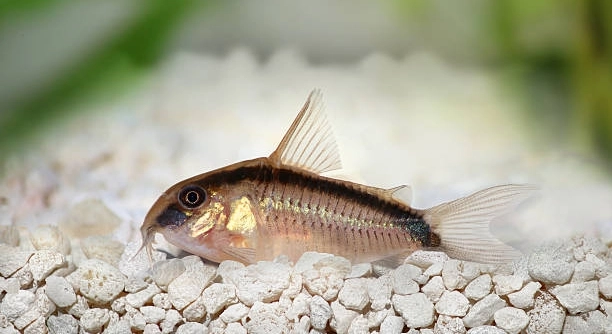
Corydoras catfish are popular aquarium pets known for their peaceful nature. However, poor water quality can affect their health. It’s important to understand the signs of distress to ensure a healthy environment for them.
Corydoras catfish may react to poor water quality through a range of symptoms, including abnormal swimming patterns, difficulty breathing, or lethargy. High ammonia, nitrite levels, or pH fluctuations often trigger these behaviors. Monitoring water parameters is crucial to their well-being.
These symptoms are not always obvious but can lead to serious health issues. Understanding them helps ensure your fish thrive in a safe environment.
7 Common Symptoms of Poor Water Quality in Corydoras Catfish
When the water quality is poor, Corydoras catfish often exhibit noticeable changes in behavior. One of the first signs can be abnormal swimming patterns. Healthy Corydoras are usually active and social, but when exposed to poor water conditions, they may swim erratically or stay at the surface more often. They may also swim in circles or remain in one area, showing signs of distress.
Another common symptom is heavy or labored breathing. If the oxygen levels in the water drop due to pollutants, Corydoras will struggle to get enough air. This will be visible through their rapid gill movement.
Additionally, lethargy is a clear indicator. These fish are typically active and curious, so if they become sluggish and stay at the bottom of the tank, it’s a sign something is wrong. Their fins may appear clamped, which further suggests they’re uncomfortable or in distress. It’s important to monitor these signs closely to address the water quality before the issue worsens.
How Water Quality Impacts Corydoras Catfish
Water quality impacts the overall health of Corydoras catfish. Poor water leads to stress, which can weaken their immune system, making them more susceptible to diseases. Maintaining proper water parameters is essential for their well-being.
For Corydoras, water conditions like temperature, pH, ammonia, and nitrite levels need to be closely monitored. High levels of ammonia or nitrites can cause toxic effects, leading to distress or death if left unaddressed. Sudden pH swings can also be damaging, affecting the fish’s ability to absorb oxygen. A stable environment helps reduce these risks and ensures your Corydoras remain healthy.
Routine water changes, regular testing, and a reliable filtration system are vital in keeping water clean and healthy. It’s also important to remove uneaten food and waste from the tank regularly. Consistency in water quality management ensures your Corydoras thrive and reduces stress.
Ensuring Proper Water Quality
By testing water regularly, you can ensure your Corydoras stay healthy. Proper filtration helps to maintain stable conditions.
Importance of Regular Water Testing
Regular water testing is key to maintaining a healthy aquarium. It helps identify dangerous shifts in ammonia, nitrite, and nitrate levels that can harm your Corydoras. Keeping these factors in check prevents many health issues and allows you to address problems before they affect your fish.
You can find water testing kits at most pet stores, and using them weekly will give you a clear picture of your tank’s conditions. If you notice any drastic changes in parameters, act quickly to correct the water quality. Poor water conditions can stress your Corydoras and make them more vulnerable to diseases.
It’s important to test both the water before and after a water change to ensure consistency. If the readings fluctuate too much, you might need to adjust your filtration or water-changing routine. Regular testing ensures you’re on top of potential problems.
How Filtration Affects Water Quality
Filtration plays a critical role in maintaining water quality in your tank. It removes waste, toxins, and excess nutrients, preventing the buildup of harmful substances. Without a good filter, pollutants will accumulate quickly, causing the water to become toxic.
A proper filter keeps the water oxygenated and helps distribute heat evenly throughout the tank. It’s essential to choose a filter suited for the size of your tank and the specific needs of your fish. For Corydoras, a filter with gentle flow is recommended, as they prefer calm waters. Too strong of a current can cause stress and affect their behavior.
Ensure that you clean and maintain your filter regularly. Clogged filters won’t function properly, and failing to replace the filter media when needed will reduce its efficiency. Keeping the filter in good shape promotes healthy water quality, benefiting your Corydoras.
The Role of Water Temperature
Maintaining a consistent water temperature is crucial for Corydoras catfish health. They thrive in temperatures between 72°F and 78°F (22°C–26°C). Too high or too low of a temperature can cause stress, weakening their immune system and making them more susceptible to illness.
Using a reliable aquarium heater with a thermometer helps to maintain stable water temperatures. Fluctuations, even slight ones, can make your Corydoras more prone to stress. If the water is too warm, oxygen levels may drop, making it harder for them to breathe.
Temperature stability is as important as the water quality itself. Regularly check your heater to avoid overheating and use a thermometer to monitor the water temperature throughout the day.
Water Changes and Maintenance
Regular water changes are essential for ensuring your Corydoras stay healthy. Removing about 20-30% of the water every 1-2 weeks helps to remove excess waste and toxins. Changing the water prevents the accumulation of harmful substances like ammonia and nitrates.
Before performing a water change, make sure to check the water temperature to match the tank. This helps prevent thermal shock to your fish. It’s also a good idea to rinse the substrate and decorations to remove any accumulated debris. Ensure that the new water is properly treated to remove chlorine or chloramine.
Consistent water changes reduce the likelihood of stress-related symptoms and diseases. It’s a simple but effective way to maintain water quality.
Signs of Oxygen Deficiency
If your Corydoras are gasping at the water’s surface, it could be a sign of oxygen deficiency. Low oxygen levels often result from poor filtration, overcrowding, or an overgrowth of algae. This can cause your fish to struggle with breathing.
Increasing surface agitation or adding an air stone will help boost oxygen levels. You can also check your filter to ensure it’s functioning properly.
FAQ
What are the signs of poor water quality in Corydoras catfish?
Poor water quality in Corydoras catfish can lead to several noticeable signs. Some common symptoms include abnormal swimming patterns, such as erratic or sluggish movement, gasping for air at the surface, or staying in one spot at the bottom of the tank. Corydoras may also display labored breathing, with rapid gill movements, as they struggle to get enough oxygen. Their fins may become clamped, and they might appear lethargic, not as active as usual. If you notice these behaviors, it’s crucial to test the water parameters and make necessary adjustments.
How often should I change the water in my Corydoras tank?
For a healthy environment, you should change 20-30% of the water every 1-2 weeks. Frequent water changes help prevent the buildup of harmful substances like ammonia and nitrates. If you have a smaller tank or a higher fish load, you may need to increase the frequency of changes. Always ensure the new water is treated and matched in temperature with the tank’s water to avoid stressing your Corydoras.
What is the ideal water temperature for Corydoras catfish?
Corydoras catfish thrive in water temperatures between 72°F and 78°F (22°C–26°C). Keeping the water within this range helps ensure they are comfortable and not stressed. Too hot or too cold water can cause them to become lethargic, weak, or more susceptible to diseases. Use a reliable aquarium heater and thermometer to maintain a consistent temperature.
Why is my Corydoras catfish swimming erratically?
Erratic swimming could be a sign of poor water quality or stress. Check the water parameters, particularly ammonia, nitrite, and pH levels. Corydoras are sensitive to water changes and contaminants, so any imbalance can cause distress. Erratic swimming may also indicate oxygen deficiency, so consider improving water circulation or adding an air stone to increase oxygen levels in the tank.
How can I improve oxygen levels in my Corydoras tank?
Oxygen levels can drop due to poor filtration or overstocking. To increase oxygen in the tank, you can add an air stone, which helps to agitate the water’s surface and promote gas exchange. Increasing the surface area of the water by adding plants or a filter with surface agitation can also help. Ensure the filter is functioning well and clean it regularly to maintain proper oxygenation.
Do Corydoras catfish need a filter?
Yes, Corydoras catfish need a filter to keep the water clean and remove toxins. A filter helps to remove waste, excess food, and harmful substances, ensuring the water stays healthy. Make sure to use a filter that provides gentle flow, as Corydoras prefer calm waters. Strong currents can stress them out and make them swim against the current.
How do I know if my Corydoras catfish is stressed?
Stress in Corydoras can manifest through behaviors like hiding in one spot, not swimming around, or swimming near the surface more often. Other signs include clamped fins, rapid breathing, and lethargy. Stress can result from poor water quality, temperature fluctuations, or improper tank mates. Identifying stress early can help prevent health problems in the future.
What should I do if my Corydoras catfish has trouble breathing?
If your Corydoras catfish is having trouble breathing, the first step is to check the water parameters. Low oxygen levels, high ammonia, or nitrite concentrations can cause breathing difficulties. Improve oxygen levels by adding an air stone or increasing surface agitation. Perform a water change and ensure the filter is working properly. If the issue persists, it could indicate an underlying health problem.
Can I keep Corydoras catfish in a tank with other species?
Corydoras catfish are peaceful and can usually coexist with other species in a community tank. However, it’s important to choose compatible tank mates. Avoid aggressive or large fish that may harass or outcompete them for food. Corydoras do well with small, peaceful fish such as tetras, guppies, and rasboras. Ensure your tank has plenty of hiding spots to allow them to retreat if needed.
How do I maintain the right pH for Corydoras catfish?
Corydoras catfish prefer a neutral to slightly acidic pH range, typically between 6.0 and 7.5. Sudden changes in pH can cause stress, so it’s important to monitor levels regularly. If the pH fluctuates too much, consider using a pH buffer or adding natural elements like driftwood, which can lower pH. Regular water changes help maintain stable pH levels, preventing harmful shifts.
Why does my Corydoras catfish stay at the bottom of the tank?
Corydoras are bottom dwellers, so it’s normal for them to spend much of their time on the substrate. However, if they stay at the bottom without moving, it could be a sign of poor water quality or stress. Check for symptoms like clamped fins or lethargy. If they seem unresponsive, it may be time to test the water and assess their environment.
Can I use a gravel substrate for Corydoras catfish?
Corydoras catfish are known to be bottom dwellers, and they like to sift through the substrate for food. A fine, smooth gravel or sand substrate is ideal, as it prevents injury to their delicate barbels. Sharp or rough gravel can damage their barbels and cause infection. Make sure the substrate is clean and free of debris.
How often should I clean the filter for my Corydoras tank?
You should clean the filter once a month or as needed, depending on the tank’s size and stocking level. A clogged or dirty filter won’t be able to maintain good water quality, which can lead to stress in your Corydoras. When cleaning, be sure to rinse the filter media with tank water to avoid killing beneficial bacteria that help break down waste.
Is it necessary to add plants to my Corydoras tank?
Adding plants to your Corydoras tank is not essential, but it can greatly benefit the overall environment. Live plants help oxygenate the water, provide hiding places, and improve the aesthetic appeal of the tank. Plants can also help absorb excess nutrients, preventing algae overgrowth. Just ensure they don’t create strong currents that could stress your Corydoras.
Final Thoughts
Maintaining healthy water quality is crucial for the well-being of your Corydoras catfish. These fish are sensitive to changes in their environment, and poor water quality can lead to stress and illness. By regularly testing the water and making necessary adjustments, you can ensure your Corydoras stay happy and healthy. It’s essential to pay attention to factors like ammonia, nitrites, and oxygen levels, as these can quickly become harmful if not properly managed. With the right care, your Corydoras will thrive and remain active, displaying the playful behavior they are known for.
When you notice signs of poor water quality, such as abnormal swimming or breathing difficulties, it’s important to act quickly. Performing a water change, improving filtration, and adding oxygen to the tank can often resolve many issues. The behavior of your Corydoras will give you valuable clues about the health of their environment. Keeping a close eye on their activity and appearance helps you catch problems early, preventing more serious health issues down the line. Regular maintenance, including water changes and filter cleaning, plays a significant role in keeping the tank environment stable and healthy.
Lastly, understanding your Corydoras’ natural habitat can help you provide the best care. These catfish are bottom dwellers, so replicating the conditions they are accustomed to in the wild is important. By creating a calm, well-oxygenated tank with gentle filtration and appropriate substrate, you can offer them a stress-free environment. With proper attention to water quality and regular care, your Corydoras catfish will be a delightful addition to your aquarium for years to come.

Hello,
If you enjoy the content that we create, please consider saying a "Thank You!" by leaving a tip.
Every little bit helps us continue crafting quality advice that supports the health, happiness, and well-being of pets around the world, for pets of all shapes, sizes, and species.
We really appreciate the kindness and support that you show us!