
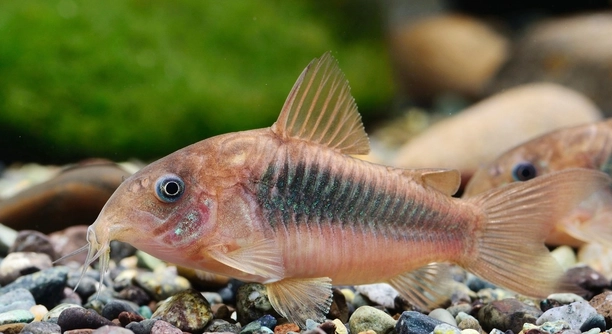
Is your Corydoras catfish spending more time resting at the bottom of the tank and less time swimming around like usual?
Reduced activity in Corydoras catfish can be linked to factors such as poor water quality, stress, illness, low oxygen levels, or changes in temperature. Identifying and addressing these issues can help restore your fish’s normal behavior.
Understanding each reason can help you make the right adjustments and keep your Corydoras healthy and active in their environment.
Poor Water Quality
Corydoras catfish are sensitive to changes in water conditions, especially when ammonia, nitrite, or nitrate levels rise. Even a small imbalance can lead to stress, affecting their activity levels. Dirty gravel, overfeeding, or an irregular cleaning routine can all impact the water quality. These catfish rely on clean, well-filtered water to stay healthy and energetic. Regular testing is key. If your tank hasn’t been checked in a while, it might be time to pull out the test kit. Simple maintenance, like partial water changes and cleaning filters, can go a long way in keeping them comfortable and active.
Check your tank regularly for debris buildup and watch for cloudy water. These are signs something needs adjusting.
If poor water quality is the issue, it won’t take long to notice a difference once things improve. Make sure the tank is cycled, filters are functioning well, and you’re not overcrowding the space. Stick to a cleaning schedule and avoid overfeeding. Fish waste and uneaten food are often behind unwanted chemical spikes in the water. It’s also helpful to vacuum the substrate gently without disturbing your fish too much. Once the water is stable again, you’ll likely see your Corydoras swimming more confidently and displaying their usual social behavior.
Low Oxygen Levels
Low oxygen in the tank can make Corydoras lethargic or uninterested in swimming. Watch for signs like rapid gill movement or gasping near the surface.
Corydoras are bottom dwellers, but they still need proper oxygen levels throughout the tank. In tanks with little surface agitation or poor circulation, oxygen might not be reaching the bottom where they spend most of their time. Warmer water also holds less oxygen, which can be a problem during hot months. Adding an air stone or increasing surface movement with your filter can help. It’s also important to avoid overcrowding. Too many fish means more oxygen demand and more waste. If you notice your Corydoras aren’t as active, try adding live plants that help maintain oxygen levels. Keeping the water clean and cool with regular maintenance gives your fish a better chance to stay alert and comfortable in their environment.
Stress from Tankmates
Corydoras are peaceful and social, but aggressive or overly active tankmates can cause them to hide or stay still. This stress can lead to less movement and a constant need to stay out of sight.
Stress from tankmates often goes unnoticed until behavior changes. Fast swimmers or nippy fish may chase or bump into Corydoras, making them feel unsafe. Even subtle bullying can discourage them from exploring the tank. It’s best to keep them with calm, non-aggressive species that share similar water and space needs. Rearranging the tank layout can help create more hiding spots, offering safety and reducing tension. When they feel secure, Corydoras return to their usual behavior—darting around in small groups and foraging across the bottom. Keeping them in a group of their own kind (at least five or six) also helps reduce stress and encourages natural movement.
Watch for signs of stress like erratic swimming, hiding all day, or pale coloration. If these symptoms appear alongside less activity, your Corydoras may not be getting along well with others in the tank. Separating them from aggressive fish can lead to immediate improvement. Keep tankmates peaceful, and make sure no fish dominate feeding times or territory. Giving each species the right space can make a big difference.
Temperature Fluctuations
Corydoras do best in stable water temperatures between 72°F and 78°F. Rapid changes can make them sluggish or more prone to hiding. Avoid placing the tank near windows or vents that can cause daily temperature shifts.
Consistency is key when it comes to temperature. A small swing of even two or three degrees can affect Corydoras, especially if it happens suddenly. Heaters with built-in thermostats help maintain steady warmth, and regular checks with a reliable thermometer can prevent long-term stress. During water changes, make sure the new water matches the tank’s temperature. If you notice your fish are less active after routine maintenance, temperature could be the cause. Use insulated covers if the tank is exposed to cold drafts. Watch the heater’s condition over time—it’s easy to overlook if it’s underperforming. With steady temperatures, Corydoras stay much more engaged and display their usual bottom-scanning behavior.
Lack of Hiding Spots
Corydoras feel more secure when they have access to hiding spots. A bare tank can leave them exposed, leading to stress and less activity. Adding caves, driftwood, or plants gives them places to retreat when they need to rest.
Even if they’re social, Corydoras still need safe areas. Hiding places reduce anxiety and help them adjust to new environments or recover from stress. A more natural tank setup makes them feel protected and encourages normal movement.
Illness or Injury
Corydoras can become less active if they’re unwell or recovering from injury. Look for signs like faded color, torn fins, bloating, or unusual swimming patterns. Internal parasites, bacterial infections, or wounds from sharp decorations can all cause discomfort that leads to resting more often. It’s helpful to isolate a sick fish for treatment, especially if you notice symptoms spreading. Medications or salt baths may be necessary, depending on the condition. Always check water parameters first, as illness often follows poor water quality. Keep a close eye on eating habits too—refusal to eat is usually the first sign that something isn’t right.
Not Enough Food
Undereating can lead to fatigue. If other fish eat faster or the food doesn’t reach the bottom, Corydoras might miss their meals. Use sinking pellets to make sure they’re fed properly.
Final Thoughts
Corydoras catfish are active and social creatures, but when they become less active, it’s often due to factors like poor water quality, stress, or even health issues. These catfish are sensitive to changes in their environment, and small adjustments can make a big difference in their behavior. Regular maintenance of the tank, such as checking water quality, temperature, and providing plenty of hiding spots, will help keep your fish happy and engaged. Observing them closely and making necessary changes can prevent problems before they escalate.
Keeping Corydoras with compatible tankmates is also crucial. These catfish are peaceful and thrive in groups, but they can be stressed by overly aggressive fish. Be sure to select tankmates that won’t intimidate or outcompete them for food. If you notice your Corydoras becoming more sluggish or hiding too often, it could be a sign of stress from tankmates or environmental changes. Making adjustments to the tank setup can help reduce stress and encourage them to return to their usual active behavior.
Lastly, always keep an eye on their health. Illness, injuries, or parasites can also contribute to a lack of movement. If your fish seems unwell, it’s important to act quickly and provide the necessary care, whether through adjusting water conditions or administering treatment. Corydoras are generally hardy, but like all fish, they need the right environment to thrive. By addressing the factors that affect their activity, you can help ensure your Corydoras live a long, healthy life in your aquarium.

Hello,
If you enjoy the content that we create, please consider saying a "Thank You!" by leaving a tip.
Every little bit helps us continue crafting quality advice that supports the health, happiness, and well-being of pets around the world, for pets of all shapes, sizes, and species.
We really appreciate the kindness and support that you show us!