
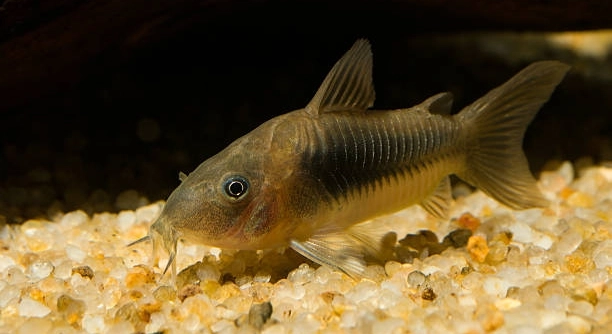
Corydoras catfish are a popular choice for aquarium enthusiasts. These small, peaceful fish thrive in well-maintained tanks, but adjusting to a new environment can be a challenge. Proper care and preparation can help them adapt smoothly.
To help your Corydoras catfish adapt to a new tank setup, ensure the water quality is stable, provide hiding spots, and avoid rapid changes in temperature. Additionally, keep the tank clean and introduce the fish gradually to minimize stress.
By following these tips, you can improve your catfish’s transition to their new home and make their adjustment period smoother.
Importance of Stable Water Conditions
Corydoras catfish are sensitive to changes in water quality. When moving them to a new tank, it’s essential to keep the water conditions as stable as possible. These fish are particularly affected by fluctuations in temperature, pH, and ammonia levels. If the water is too warm, cold, or has too much waste, your catfish may become stressed, impacting their health and behavior. Start by ensuring that the new tank has proper filtration and the water parameters are tested before introducing your fish.
Consistent water conditions are crucial to helping your Corydoras adjust. Make sure to monitor the water regularly, adjusting as needed.
Avoid overfeeding, as uneaten food can lead to water quality issues, affecting your catfish’s overall health. A tank with stable conditions will allow your fish to thrive in their new home without unnecessary stress. Regular water changes will also help to keep things balanced, promoting the well-being of your fish.
Proper Tank Setup and Hiding Spots
Adding hiding spots in your tank is another simple yet effective way to help Corydoras catfish feel at ease.
These catfish are naturally shy and enjoy areas where they can retreat when they feel threatened. Providing plants, rocks, or caves can create secure spaces for them.
Hiding spots reduce stress, allowing Corydoras to feel safe and comfortable as they adjust. Without these, your catfish may feel exposed, which could lead to constant hiding or erratic behavior. Additionally, they can benefit from soft substrates like sand, which will help them forage comfortably. Make sure there is enough space for the fish to explore while also offering these secure retreats.
Gradual Introduction to the New Tank
When moving Corydoras catfish to a new tank, it’s best to introduce them gradually.
This approach allows them to adjust to their new environment without overwhelming them. Start by placing the catfish in a quarantine tank for a few days. This helps reduce the stress of a sudden move. Afterward, slowly acclimate them to the main tank by keeping the light low and limiting disturbances. A smooth transition encourages a more comfortable adjustment period.
Introducing the catfish gradually allows them to become familiar with the new surroundings. This process helps them avoid the shock of sudden changes in water quality or tank setup. When introducing your catfish, use a soft net to gently guide them into the new tank. Keep the aquarium lights dim, and try not to overcrowd the tank to avoid additional stressors. This gradual process is key to ensuring your fish settle in without issue.
Consistent Feeding Schedule
Corydoras catfish thrive on a consistent feeding routine, and this helps reduce stress during their adaptation period.
Keep the feeding schedule regular, offering a variety of food types, including sinking pellets, freeze-dried worms, or small live foods. Consistency in feeding not only promotes a sense of security for your catfish but also encourages healthy eating habits.
Overfeeding can be harmful, especially in a new tank setup where water quality can change quickly. Make sure to feed small amounts, observing how much your fish consume. Uneaten food can deteriorate the water quality, creating an unhealthy environment for your catfish. Stick to a regular schedule, feeding once or twice a day, to keep them healthy and stress-free.
Monitor Tank Temperature
Maintaining a stable water temperature is crucial for Corydoras catfish.
Corydoras are sensitive to temperature changes. Ideally, keep the water between 72-78°F (22-26°C). Ensure the tank has a reliable heater to avoid drastic fluctuations, especially when adjusting to a new setup. Rapid changes in temperature can stress the fish.
Temperature stability helps prevent health issues like fungal infections or reduced immunity. If the water becomes too cold or hot, your Corydoras may not eat or behave normally. A thermometer is essential to keep track of the water temperature and adjust the heater as needed. Stable temperatures will make your catfish feel more comfortable in their new home.
Avoid Sudden Lighting Changes
Corydoras are used to a more subdued environment with low to moderate lighting.
Sudden bright lights can stress them, especially in a new tank. Gradually adjust the lighting to avoid disturbing their natural rhythms. Bright lights can also stress the other fish in the tank, impacting the overall balance.
Introduce lighting slowly and ensure it mimics their natural environment. Use a dim light to allow your Corydoras time to adjust to the new setup. Once they become accustomed to the lighting, you can gradually increase it. This helps prevent stress and encourages healthy behavior in your fish.
FAQ
What is the ideal tank size for Corydoras catfish?
Corydoras catfish are small, but they need space to swim comfortably. A tank of at least 20 gallons is recommended for a small group. This allows the catfish enough room to explore and prevents overcrowding. While Corydoras can live in smaller tanks, a larger one helps maintain water quality and provides a more natural environment. Make sure there is enough floor space for them to forage, as they prefer to stay close to the bottom.
How often should I clean my Corydoras’ tank?
Regular tank cleaning is important for keeping your Corydoras healthy. Perform partial water changes of about 25-30% every week. This helps maintain water quality and removes excess waste that can accumulate from uneaten food. Be sure to clean the substrate and filter as well, but avoid disturbing the fish too much. Keeping the tank clean reduces the risk of illness and helps your catfish adapt to their new home.
What do Corydoras catfish eat?
Corydoras catfish are omnivores, so they enjoy a variety of foods. Offer sinking pellets, which they will search for on the bottom of the tank. You can also feed them live or frozen foods, such as bloodworms, brine shrimp, or daphnia. Occasionally, small vegetables like blanched zucchini or peas are a good addition to their diet. Make sure to feed them small portions to prevent overfeeding, which could lead to water quality issues.
Can Corydoras catfish live with other fish?
Yes, Corydoras catfish are peaceful and make great tank mates for many species. They do well with small, non-aggressive fish like tetras, guppies, and rasboras. Avoid keeping them with larger or more aggressive fish, as they can become stressed. Corydoras prefer to live in groups, so it’s ideal to have at least three or four together. This reduces stress and helps them feel more secure.
How do I know if my Corydoras catfish are stressed?
Signs of stress in Corydoras catfish include erratic swimming, staying in one corner of the tank, hiding more than usual, or refusing to eat. They may also become more sensitive to water quality issues, like fluctuating temperatures or high ammonia levels. If you notice these signs, check the water conditions immediately and make any necessary adjustments. Stress can weaken their immune system and make them more susceptible to illness, so addressing it quickly is important.
Can Corydoras catfish live in a tank without a filter?
While Corydoras catfish can survive in a tank without a filter, it is not ideal. A filter helps maintain water quality by removing waste and toxins that can build up. In a tank without a filter, the water will quickly degrade, making it harder for your catfish to thrive. If you don’t use a filter, make sure to perform more frequent water changes and monitor the water parameters closely.
Do Corydoras catfish need a specific substrate?
Corydoras catfish are bottom dwellers and prefer soft, fine substrate like sand or smooth gravel. Avoid sharp-edged gravel, as it can hurt their sensitive barbels when they forage. Sand is the best option since it allows them to dig and sift through it naturally. A soft substrate also helps keep the water clean by preventing waste from getting trapped in rough rocks.
Why do Corydoras catfish swim to the surface sometimes?
Corydoras catfish may swim to the surface to breathe air. While they have gills, they also have a specialized organ called a labyrinth organ that allows them to gulp air from the surface when needed. If your catfish is consistently swimming to the surface, it could indicate low oxygen levels in the tank. Ensure your tank is well-ventilated, and consider adding a sponge filter or air pump if necessary.
What is the lifespan of Corydoras catfish?
Corydoras catfish typically live for about 5 to 10 years when kept in ideal conditions. Their lifespan can be influenced by factors like water quality, diet, and tank mates. Proper care, including regular water changes and a balanced diet, can help extend their life. Keep an eye on their health and maintain a clean tank to ensure they live a long, happy life.
How do I tell if my Corydoras catfish is sick?
Sick Corydoras catfish may exhibit a variety of symptoms, such as lethargy, loss of appetite, discoloration, or swollen body parts. You might also notice abnormal swimming behavior or labored breathing. If you suspect your catfish is ill, check the water parameters to ensure they’re within the proper range. If symptoms persist, consult a vet who specializes in fish or consider quarantining the sick fish to prevent the spread of illness to others.
Can I breed Corydoras catfish in my tank?
Yes, Corydoras catfish can be bred in a well-maintained tank. To encourage breeding, provide optimal water conditions, such as slightly cooler temperatures and clean, well-oxygenated water. You can mimic the rainy season by doing a large water change with slightly cooler water. Once breeding occurs, the female will lay eggs, typically on plants or glass surfaces. The eggs will hatch in a few days, and the fry can be fed fine foods like liquid fry food or infusoria until they grow large enough to eat other foods.
Final Thoughts
Corydoras catfish are hardy and peaceful creatures that can thrive in a well-maintained aquarium. However, moving them to a new tank setup requires careful attention to detail. By ensuring stable water conditions, offering hiding spots, and providing a gradual introduction to the new environment, you can help them adjust with minimal stress. Consistency in their care, from feeding to water changes, plays a significant role in their overall well-being.
It’s important to monitor their health and behavior closely during the first few weeks in the new tank. Corydoras are sensitive to changes in their environment, so any sudden shifts in water temperature, pH, or tank setup could affect their health. Keeping an eye on the tank’s water quality and maintaining a consistent routine will help minimize stress. Over time, with the right care, your Corydoras will adapt and start to exhibit their natural behaviors, becoming active and comfortable in their new home.
If you follow these steps and stay vigilant, your Corydoras catfish will not only adapt but thrive in their new tank. Regular maintenance, proper tank setup, and monitoring of water quality will ensure they live a long and healthy life. Remember, creating a stable and comfortable environment is the key to reducing stress for your catfish, and with patience, they will settle into their new surroundings.

Hello,
If you enjoy the content that we create, please consider saying a "Thank You!" by leaving a tip.
Every little bit helps us continue crafting quality advice that supports the health, happiness, and well-being of pets around the world, for pets of all shapes, sizes, and species.
We really appreciate the kindness and support that you show us!