
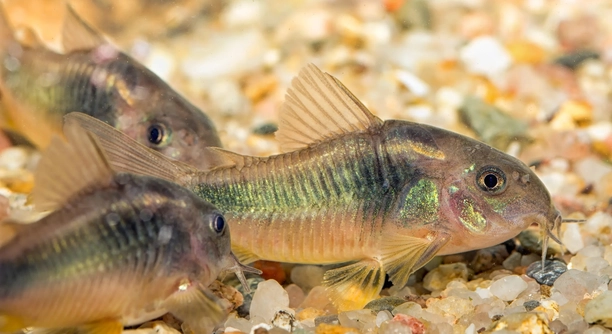
Are your Corydoras catfish acting differently? It’s important to understand the signs that indicate whether they need more companions. This guide will help you identify the key behaviors that suggest it might be time for additional tank mates.
Corydoras catfish are social creatures that thrive in groups. If your catfish show signs of stress or agitation, it could be a signal they need more tank mates. Observing their behavior closely will help you determine if adding more is necessary.
There are several signs to watch for when determining if your catfish need more company. These subtle clues can help you create a healthier and happier environment for your fish.
Understanding Corydoras Catfish Behavior
Corydoras catfish are peaceful and social creatures. They naturally thrive in groups, often seen sticking together for security and comfort. If you observe your catfish swimming alone, hiding frequently, or being more inactive than usual, these could be signs they are not getting enough social interaction. Being bottom dwellers, they tend to move around in schools where they feel safer and more secure. A single Corydoras in a tank might feel isolated and stressed, which can lead to behavioral changes or health issues. Watching your catfish interact with others is one of the best ways to assess their needs.
It’s crucial to provide a social environment for your Corydoras. These fish are happiest when kept in groups, as it reduces stress and encourages natural behaviors like scavenging and schooling.
Adding more Corydoras can help them feel comfortable and safe. If your catfish are showing signs of stress or hiding away, it may be time to introduce more. Keep in mind that adding new tank mates slowly and observing how your fish adapt is essential to ensure a smooth transition and avoid overwhelming your existing fish.
Signs of Stress in Corydoras
When your Corydoras are stressed, they may stop eating or swim erratically. These signs can be linked to a lack of social interaction.
Corydoras are naturally peaceful fish, and when they feel isolated, they can become agitated. Signs of stress might include excessive hiding, rapid swimming, or frequent darting to one side of the tank. Stress can also manifest in physical changes like faded colors or a decrease in appetite. If your fish start showing these behaviors, it may indicate that they need more companions to feel secure and calm.
By introducing new Corydoras or other compatible species, you can create a more stable environment for them. A group of three to six is usually ideal, but make sure to monitor their interaction after introducing new fish. A peaceful environment will help your Corydoras relax and engage in natural behaviors, improving their overall well-being.
Lack of Activity and Appetite
If your Corydoras are not eating as much or seem to be more sluggish than usual, this could be a clear sign they are stressed from being alone. Social fish are more active when they have companions to interact with.
When Corydoras are kept in solitude, they may lose interest in foraging for food or exploring the tank. This behavior often leads to a decline in their overall health. They are not naturally solitary fish, and when isolated, they may not have the motivation to engage in normal activities like scavenging. Adding a few more Corydoras can help them regain their energy and interest in their environment. As they find comfort in a group, their activity levels and appetite will likely improve.
A lack of activity in Corydoras can also mean they are simply bored. These fish enjoy having other fish to swim with. They feel more confident when surrounded by others, and their natural foraging and social behaviors will be restored with the right tank companions. If you’ve noticed a decrease in your fish’s movement or appetite, consider adding more tank mates to ease their stress.
Aggressive or Unusual Behavior
Corydoras are usually calm fish, but they can become more aggressive or display unusual behavior when feeling threatened or isolated. If your fish start to chase or nip at each other, it’s often a sign that something in their environment is making them uneasy.
In smaller groups, Corydoras may feel more territorial or stressed, leading to these aggressive behaviors. A lack of companionship can trigger insecurity in fish, causing them to act out in ways that aren’t typical for the species. If you notice your Corydoras fighting or bullying one another, it could indicate that they are trying to establish dominance due to a lack of social balance in the tank.
Adding a few more Corydoras will help distribute these social tensions and encourage peaceful interactions. A larger group often creates a more harmonious atmosphere where the fish can focus on foraging and swimming together rather than competing for space or food. If aggression persists, it may also indicate that your tank is too small or overcrowded, so ensure there’s enough space for the fish to coexist comfortably.
Excessive Hiding
Corydoras that are kept alone may spend most of their time hiding. While they do enjoy resting, constant hiding can indicate stress or discomfort. They prefer to stay close to other fish for safety and interaction.
When they lack companions, Corydoras may retreat to hidden corners or underneath decorations. This behavior can suggest they’re feeling insecure or threatened. By introducing more Corydoras to the tank, they can build confidence and begin to explore more freely. A group of fish will help them feel less anxious and encourage more natural behavior.
Lack of Social Interaction
Corydoras are social creatures and thrive on interaction with their tank mates. When alone, they miss the chance to communicate through movements and behaviors.
Without others around, Corydoras may exhibit a reduction in natural activities like schooling or foraging together. Their lack of social interaction can cause mental and physical stress over time. Adding more Corydoras allows them to engage with each other, encouraging a healthier, more active life. Group dynamics help reduce stress and foster a sense of security.
Tank Size and Layout
A small or poorly decorated tank can also cause your Corydoras to feel lonely. These fish need space to move around and explore.
If your tank is overcrowded or lacks hiding spots and decorations, Corydoras may struggle to find places where they feel secure. A spacious and well-decorated tank can provide the perfect environment for these social fish to thrive. Make sure the tank is large enough to accommodate the number of Corydoras you wish to keep, ensuring they have ample space to interact comfortably with one another.
FAQ
How many Corydoras should I keep together?
It’s best to keep at least three to six Corydoras together. They are social fish that thrive in groups, and the more, the better. A small group helps reduce stress and encourages natural behaviors like schooling and foraging. The larger the group, the more confident and comfortable your fish will feel.
Can Corydoras live with other fish?
Yes, Corydoras are peaceful and can live with many other species. They do well with other bottom dwellers or peaceful tank mates, such as tetras, guppies, and other non-aggressive fish. Avoid keeping them with aggressive species that might stress them out or harm them.
What is the best tank size for Corydoras?
A tank of at least 20 gallons is recommended for a small group of Corydoras. If you’re planning to keep more than six, consider a larger tank to ensure they have enough space to swim and interact. A bigger tank also helps maintain stable water conditions and provides plenty of room for hiding spots.
Do Corydoras need a filter?
Yes, Corydoras need a good filtration system to keep the water clean and oxygenated. They are sensitive to poor water quality, and a filter helps maintain a healthy environment. Make sure the filter isn’t too strong, as Corydoras prefer gentle water movement.
How often should I feed my Corydoras?
Feed your Corydoras once or twice a day with small portions they can finish in a few minutes. Their diet should consist of sinking pellets, algae wafers, and live or frozen foods like worms. Overfeeding can lead to water quality issues, so only provide what they can eat.
Why are my Corydoras always hiding?
If your Corydoras are constantly hiding, it could be due to stress, loneliness, or a lack of suitable tank mates. They may feel insecure or threatened by the environment. Adding more Corydoras or other peaceful fish can help them feel safer and reduce hiding behaviors.
Can Corydoras live with shrimp?
Yes, Corydoras can live with shrimp as long as the shrimp are not too small. Corydoras are bottom feeders and usually won’t bother shrimp, but ensure the shrimp species you choose is not small enough to be a potential snack.
Do Corydoras prefer soft or hard water?
Corydoras generally prefer soft to moderately hard water. They thrive in slightly acidic to neutral water conditions, typically with a pH between 6.0 and 7.5. It’s essential to monitor your water parameters regularly to ensure they stay within the ideal range for your Corydoras.
Can I keep Corydoras in a planted tank?
Yes, Corydoras do well in planted tanks. They enjoy exploring plants, rooting around the substrate, and scavenging for food. Just make sure there is enough space for them to move around, and avoid sharp-edged plants or decorations that could damage their delicate barbels.
How do I know if my Corydoras are healthy?
Healthy Corydoras are active, eat regularly, and swim peacefully in groups. Their colors should be vibrant, and they should have clear eyes and intact barbels. If your fish show signs of fading colors, reduced activity, or damaged barbels, it may indicate stress or illness.
What temperature is best for Corydoras?
Corydoras thrive in water temperatures between 72°F and 78°F (22°C and 26°C). They are hardy fish but do best in stable temperatures. Avoid sudden fluctuations, as this can stress them out and affect their health.
Can I breed Corydoras in my tank?
Yes, Corydoras are easy to breed in a home aquarium. They breed in groups, and you may notice males chasing females during mating. To encourage breeding, maintain stable water conditions, feed them a varied diet, and ensure your tank has plenty of hiding spots for the eggs.
How do I clean the substrate for Corydoras?
Corydoras are bottom dwellers and often root through the substrate. Cleaning the substrate involves siphoning out waste and debris regularly. Use a gravel vacuum to gently remove uneaten food and waste without disturbing your fish too much. Clean the substrate at least once a week to maintain water quality.
Do Corydoras need a lot of space to swim?
While Corydoras are bottom dwellers and don’t require as much vertical swimming space as other fish, they do benefit from a spacious tank. Providing a large enough tank allows them to swim freely and interact with each other, reducing stress and promoting healthy behaviors.
What type of substrate is best for Corydoras?
Corydoras prefer a soft substrate, such as fine gravel or sand. They like to dig and root through the substrate in search of food, and sharp or rough gravel can damage their delicate barbels. A soft substrate is safer and more comfortable for them.
Do Corydoras need to be in a school to breed?
Yes, Corydoras breed in schools. It’s essential to have at least one male and one female for successful breeding. A group of three or more is ideal, as it encourages natural mating behaviors. A varied diet and stable water conditions will also help promote breeding.
Final Thoughts
Corydoras catfish are social fish that thrive when kept in groups. They are peaceful creatures that prefer the company of their own kind and can become stressed or inactive when isolated. If your Corydoras seem to be acting out of character—whether by hiding more often, losing interest in food, or showing signs of aggression—these could be signs that they need more tank mates. By adding more Corydoras, you can help your fish feel secure and encourage more natural behaviors, such as schooling and foraging. It’s important to remember that keeping them in groups is key to their overall well-being.
Adding tank mates can also help keep the tank environment healthy. A variety of compatible species, like peaceful bottom dwellers or midwater swimmers, can create a balanced ecosystem where all the fish feel safe. Keeping a well-maintained tank with the right number of fish helps reduce stress and encourages all species to thrive. The proper care, such as maintaining water quality, providing a suitable tank size, and ensuring the right diet, plays an essential role in the health of your Corydoras. When their needs are met, these fish will live happy and active lives.
Overall, it’s clear that Corydoras do best when they have social interaction with their own kind. By observing their behavior and making sure they are kept in a group, you can ensure that your fish are comfortable and stress-free. It’s not just about adding numbers to your tank, but also about creating a peaceful environment where they feel at home. Taking the time to understand their needs and adjust accordingly can make a big difference in their health and happiness.

Hello,
If you enjoy the content that we create, please consider saying a "Thank You!" by leaving a tip.
Every little bit helps us continue crafting quality advice that supports the health, happiness, and well-being of pets around the world, for pets of all shapes, sizes, and species.
We really appreciate the kindness and support that you show us!