
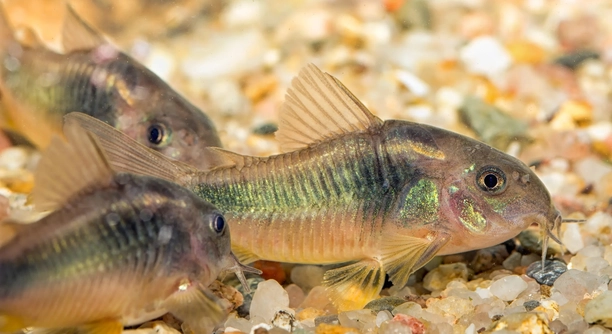
Corydoras catfish are known for their playful behavior, but you may notice them hiding behind plants. This is common, and understanding the reasons behind it can help create a better environment for them.
The primary reasons your Corydoras catfish may hide behind plants include stress, illness, insufficient hiding spots, or unfavorable water conditions. They may also be avoiding aggressive tank mates or need a break from intense light exposure.
Addressing these factors can provide insight into your fish’s behavior, ensuring a healthier and happier aquatic life.
Stress and Anxiety: Common Causes of Hiding
Corydoras catfish are sensitive to stress, and this can lead them to seek refuge behind plants. Common stressors include changes in water quality, temperature fluctuations, or overcrowding in the tank. When stressed, they may retreat to calmer areas where they feel safe. Environmental disturbances like loud noises or sudden movements near the tank can also cause them to hide. Corydoras are naturally shy and seek comfort in places where they feel protected.
Stress can be minimized by ensuring a stable environment. Maintain consistent water parameters, including temperature, pH, and ammonia levels. Reducing noise around the tank and providing adequate hiding spots can help reduce anxiety. If your catfish is frequently hiding, it’s essential to evaluate their surroundings to determine if stress is the cause.
Addressing stress is vital for your Corydoras’ well-being. They need a peaceful environment to thrive, and small changes can make a significant difference in their behavior.
Illness and Injury: Health Concerns
Illness or injury can cause Corydoras to hide, as they instinctively seek shelter when feeling unwell.
If your fish seems lethargic or displays signs of injury, such as torn fins or discolored skin, it is crucial to address health issues quickly. Aquarium conditions should be monitored, and any changes in behavior should be noted immediately.
Water Quality: A Key Factor in Behavior
Poor water quality is a major reason for Corydoras to hide. Elevated ammonia, nitrites, or nitrates can stress fish and cause them to retreat into the plants. Regular water changes and good filtration are essential to keep water conditions optimal. If the water is too dirty or imbalanced, it can affect their health.
Testing water parameters regularly will help detect issues early. Keeping the water temperature stable and avoiding overcrowding can also improve the environment. Proper filtration helps eliminate harmful substances and provides clean, oxygenated water. Corydoras need these conditions to feel safe and healthy.
To avoid stressing your Corydoras, it’s important to monitor and maintain a clean, stable tank. Good water quality helps prevent hiding behavior, keeping your fish active and content.
Tank Mates and Aggression: The Role of Other Fish
Aggressive tank mates can lead Corydoras to hide behind plants. These catfish are peaceful by nature and can become intimidated by more dominant or territorial species. If they feel threatened, they may hide to avoid confrontation. A peaceful community tank setup is ideal for these fish.
Choosing tank mates that are non-aggressive is crucial. Corydoras do well with other peaceful species, such as small tetras, guppies, or other catfish. It’s important to observe interactions and be mindful of fish that may display territorial behavior. If necessary, move aggressive fish to a separate tank.
Stress from aggression can impact your Corydoras’ overall health, leading to hiding. It’s essential to ensure that they have a calm and peaceful environment for the best chance at thriving.
Light Levels: The Impact on Corydoras
Bright lighting can stress Corydoras and cause them to hide. These catfish prefer dimmer, softer light, which mimics their natural environment. Intense lighting may cause them to seek shelter in plants or hiding spots to avoid the discomfort of bright, direct light. Lowering light levels can help.
If your tank has strong lighting, consider adjusting it or adding more plants for coverage. Corydoras feel more secure when they can escape bright light. Lighting should be moderate to replicate their natural habitat, allowing them to feel calm and relaxed.
Ensuring proper light levels is key to reducing stress and encouraging natural behaviors.
Tank Size and Space: Room to Move
A small tank can lead to stress and hiding. Corydoras are active fish and need enough space to swim and explore. In a cramped environment, they may feel confined, leading them to retreat into plants for safety. A larger tank provides better opportunities for movement.
When setting up a tank for Corydoras, ensure it is large enough to accommodate them comfortably. A minimum of 20 gallons is recommended for a small group. More space reduces competition for territory, helping to keep the fish from feeling stressed and promoting healthier behavior.
A properly sized tank will help your Corydoras thrive, reducing hiding behavior.
Water Temperature: Staying Within the Ideal Range
Corydoras require a stable water temperature, typically between 72°F and 78°F. If the water is too hot or too cold, they may become stressed and seek shelter behind plants. Sudden temperature changes can also cause them to hide as a response to discomfort.
Maintaining a consistent temperature is crucial. Using a reliable aquarium heater and thermometer will help keep the water within the appropriate range. If temperature fluctuations occur, your Corydoras may show signs of stress, including hiding more frequently. Stability is key for their health and well-being.
By maintaining an ideal water temperature, you ensure your fish feel safe and comfortable in their tank.
FAQ
Why is my Corydoras catfish always hiding?
There are several reasons why your Corydoras might hide. Stress, poor water quality, aggressive tank mates, or inappropriate lighting can all contribute. Corydoras are shy fish and may retreat to plants when they feel uncomfortable or threatened. It’s essential to evaluate water conditions, tank setup, and tank mates to identify and address any issues. Providing a stable environment with peaceful fish, proper lighting, and good water quality can help reduce hiding behavior.
How can I reduce my Corydoras catfish’s hiding behavior?
To reduce hiding behavior, ensure your Corydoras’ environment is calm and comfortable. Regular water changes, good filtration, and proper water temperature help reduce stress. Adding more plants or hiding spots can give them a sense of security. Avoid bright lighting, and consider adjusting the light intensity. Choosing peaceful tank mates and providing plenty of swimming space will also reduce hiding.
Do Corydoras catfish like to be alone?
Corydoras are social fish and prefer to be kept in groups. Keeping them alone can cause stress, and they may hide more frequently. It’s recommended to have at least three to five Corydoras in a tank. A group allows them to interact with each other and feel more secure. Social interaction helps them remain active and comfortable in the tank.
Can water temperature cause my Corydoras to hide?
Yes, temperature fluctuations can cause Corydoras to hide. These fish prefer a consistent water temperature between 72°F and 78°F. If the temperature is too hot or too cold, they may retreat to plants or hiding spots to avoid discomfort. Using an aquarium heater and thermometer to maintain a stable temperature is essential for keeping your Corydoras healthy.
Should I worry if my Corydoras catfish hides a lot?
If your Corydoras hides frequently, it’s a sign that something in its environment may be causing stress. However, short periods of hiding are normal, especially when they feel the need to rest. If the hiding is excessive or accompanied by other signs of distress (like lethargy or loss of appetite), it’s important to investigate the tank conditions. Check water quality, temperature, lighting, and tank mates to identify any potential stress factors.
Do Corydoras hide when they are sick?
Yes, Corydoras may hide when they are sick or injured. This is an instinctive behavior to protect themselves from predators. If your Corydoras is hiding more than usual, look for other signs of illness, such as reduced activity, discolored fins, or abnormal swimming behavior. If you suspect your fish is sick, it’s important to address the water quality and consult with an aquarium specialist for proper treatment.
Can Corydoras catfish survive in a tank with aggressive fish?
Corydoras are peaceful and non-aggressive, so they may not do well in tanks with aggressive fish. Aggressive tank mates can stress out Corydoras and cause them to hide more often. It’s best to keep Corydoras with peaceful, non-territorial species. If you have aggressive fish in your tank, consider relocating them to a separate aquarium to prevent stress on your Corydoras.
How often should I change the water in my Corydoras tank?
Water changes are crucial to maintain a healthy environment for Corydoras. Aim to change 25-30% of the water every 1-2 weeks. Regular water changes prevent the buildup of harmful substances like ammonia and nitrates, which can cause stress and health issues for your fish. Test water parameters regularly to ensure the water quality remains optimal.
Can I use a strong filter for my Corydoras tank?
While filtration is essential, a strong filter with high water flow can be stressful for Corydoras. These fish prefer calm water with gentle currents. If your filter is too powerful, consider using a sponge filter or adjusting the flow rate. Ensure the filtration system provides adequate water movement without creating turbulence that may disturb your Corydoras.
Are Corydoras catfish sensitive to light?
Yes, Corydoras are sensitive to bright light and prefer low to moderate lighting. Intense light can cause them stress, leading them to hide behind plants or in darker areas of the tank. Consider using subdued lighting or adding plants to provide shaded areas. Dimming the light can help your Corydoras feel more secure and reduce hiding.
How do I know if my Corydoras are stressed?
Stressed Corydoras may exhibit several signs, such as excessive hiding, lethargy, erratic swimming, or abnormal behavior. They may stop eating or spend more time near the substrate or hiding spots. Stress can result from poor water quality, temperature fluctuations, aggressive tank mates, or lack of hiding places. Monitoring these signs can help you address stress early and improve their environment.
Can Corydoras live in cold water?
Corydoras prefer warmer water temperatures between 72°F and 78°F. While they may survive in slightly cooler water, cold temperatures can stress them and reduce their lifespan. If your tank is too cold, consider using an aquarium heater to maintain a stable, comfortable temperature. Avoid sudden temperature fluctuations, as they can be harmful to your Corydoras.
What size tank is best for Corydoras catfish?
Corydoras do best in tanks that are at least 20 gallons, especially if you’re keeping a group of them. A larger tank allows for more swimming space and a more stable environment. The tank should have plenty of plants or hiding spots to make them feel secure. Larger tanks also help maintain water quality and reduce the risk of stress-related behavior.
Can I keep Corydoras with other types of fish?
Corydoras are peaceful and social fish, making them compatible with many other non-aggressive species. Small tetras, guppies, and other peaceful catfish are good tank mates. Avoid keeping them with aggressive or territorial fish, as this can cause stress and lead to hiding behavior. It’s essential to monitor the interactions between tank mates to ensure harmony.
What should I feed my Corydoras catfish?
Corydoras are bottom-dwelling scavengers and enjoy a variety of foods. They primarily eat sinking pellets, algae wafers, and occasional live or frozen foods such as brine shrimp or bloodworms. Offering a varied diet ensures they receive all the nutrients they need. Avoid overfeeding, as uneaten food can degrade water quality and cause stress.
Do Corydoras need a lot of plants in their tank?
Plants are beneficial for Corydoras as they provide hiding spots and areas for exploration. Corydoras enjoy being in a tank with plenty of plants, as it mimics their natural habitat. Plants help reduce stress by offering refuge from bright lights or aggressive tank mates. However, make sure the plants are non-toxic and don’t overcrowd the tank.
How can I tell if my Corydoras catfish is happy?
Happy Corydoras will be active, social, and interactive with other fish. They will explore the tank, swim around, and forage for food. A healthy Corydoras will have vibrant coloring and display normal behavior, such as swimming gracefully along the substrate and interacting with tank mates. If your fish is spending a lot of time hiding or acting lethargic, it could be a sign of stress.
Final Thoughts
Corydoras catfish are generally peaceful and hardy, making them great additions to many freshwater tanks. However, their tendency to hide behind plants can be a sign of discomfort or stress. It’s important to assess their environment regularly, ensuring factors like water quality, temperature, and tank mates are optimal. Corydoras prefer calm waters and can be easily stressed by poor water conditions or overly aggressive tank mates. Regular water changes, proper filtration, and maintaining a stable tank temperature can help reduce their need to hide and keep them healthy.
Hiding can also be a natural behavior, especially in Corydoras that are adjusting to their new environment. It’s not unusual for them to seek shelter behind plants or other decorations when they feel the need for rest or are getting used to a new tank. However, prolonged hiding can be a cause for concern. If this behavior is accompanied by other signs such as loss of appetite, lethargy, or changes in appearance, it’s important to take action. Monitoring your catfish regularly and making adjustments to their surroundings can often help reduce stress and ensure they remain active and healthy.
Ultimately, ensuring a peaceful environment for your Corydoras will promote better behavior and well-being. Providing plenty of hiding spots, keeping the tank temperature consistent, and feeding a balanced diet are essential to keeping these catfish comfortable. While some hiding is normal, excessive hiding indicates the need for further investigation into their living conditions. By making small changes to improve water quality, lighting, and tank mates, you can help your Corydoras feel more secure and reduce their tendency to hide.

Hello,
If you enjoy the content that we create, please consider saying a "Thank You!" by leaving a tip.
Every little bit helps us continue crafting quality advice that supports the health, happiness, and well-being of pets around the world, for pets of all shapes, sizes, and species.
We really appreciate the kindness and support that you show us!