
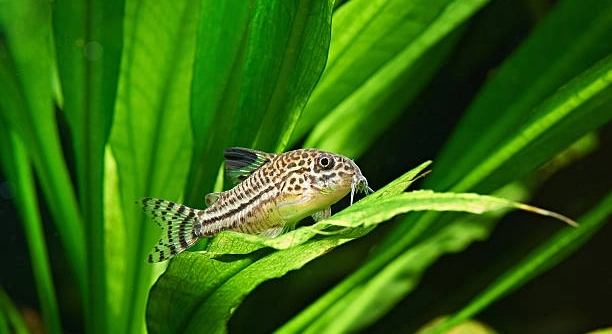
Many Corydoras catfish owners wonder how to ensure their fish are getting enough food. These small, bottom-dwelling fish require careful attention to maintain a balanced diet. Understanding their feeding habits can help provide the proper nutrition.
Corydoras catfish are generally good at finding food, but signs of adequate feeding include active scavenging, a healthy appearance, and consistent growth. A well-fed Corydoras will show enthusiasm for food and maintain a clean, vibrant appearance.
Recognizing the key signs can ensure your Corydoras thrives. Keeping track of their feeding habits helps maintain their health and well-being.
Signs Your Corydoras Catfish Is Actively Scavenging
Corydoras catfish are known for their scavenging nature. These bottom-dwellers typically sift through the substrate, looking for food. If your catfish is often seen darting around the tank, investigating the gravel, it’s a good sign they’re actively foraging for food. When Corydoras are well-fed, they will be quick to react during feeding times, rushing towards the food. This shows they are able to find and consume enough food.
However, it’s important to note that Corydoras can sometimes be shy, especially in tanks with more dominant fish. If your catfish is not eating as much, it might be outcompeted during feeding. Ensuring that food reaches the bottom of the tank can help ensure your catfish gets its share. If there are other fish around, consider using a feeding dish or placing food where Corydoras can easily access it.
A well-fed Corydoras will show consistent interest in food. If they are feeding regularly, it suggests they are getting the nutrients they need to stay healthy. Active scavenging and seeking out food are signs that they are well-fed.
Healthy Growth and Appearance
Healthy growth and vibrant colors are also clear indicators of a well-fed Corydoras catfish. These fish are slow growers, but with proper nutrition, they will steadily increase in size while retaining a healthy appearance.
Inadequate food can cause growth stagnation and a dull appearance. If you notice your Corydoras remains small or looks lethargic, it could be a sign that they aren’t getting enough food. A balanced diet rich in proteins and vitamins is essential for their growth and coloration. Feeding them sinking pellets designed for bottom-feeding fish can help boost their nutrition, promoting healthy development.
Make sure to regularly check the water parameters in the tank, as poor water quality can also affect their health. Consistent feeding habits, along with optimal water conditions, are key to supporting the growth and well-being of your Corydoras.
Active Behavior During Feeding Time
Corydoras catfish are known for their lively and active feeding behavior. When they are well-fed, they will often be the first to rush to the food, especially if it sinks to the bottom. Observing your catfish during feeding times is one of the best ways to check for signs of adequate feeding.
If your Corydoras is sluggish or ignores food during feeding, it could indicate that it’s not hungry or is having trouble finding the food. Regular feeding times allow the fish to develop a predictable routine, making it easier to spot changes in behavior. Additionally, Corydoras are social fish, so if they are eating well, they will typically eat alongside others in the tank, showing no signs of stress or competition.
In most cases, active behavior during feeding is a sign that they are receiving enough food. The more eager they are to feed, the more likely they are getting the right amount of nutrition for their size and age. If you notice your fish not showing interest in food, it’s time to assess the feeding environment.
Consistent Cleanliness
Corydoras are known for their cleaning abilities, often helping to keep the bottom of the tank clean by scavenging for uneaten food. A well-fed catfish will contribute to this clean-up process, ensuring that leftover food is consumed and doesn’t build up in the substrate.
If you notice that uneaten food remains on the tank floor after feeding, it could be a sign that your Corydoras are not hungry or are not getting enough food. This behavior may also indicate that they are not able to compete with other tank mates for food. Regularly check for any uneaten food, and consider adjusting the amount of food you are providing or using a different feeding method to ensure your Corydoras can reach it.
Feeding practices that suit the feeding habits of Corydoras, such as dropping food directly to the bottom, will help maintain a clean tank while ensuring your fish are well-fed. Additionally, if there’s food leftover after feeding, it’s important to remove it quickly to avoid any water quality issues.
Weight Gain and Size Progression
A key indicator that your Corydoras is getting enough food is noticeable weight gain and size progression. These fish grow slowly, but they should gradually increase in size with regular feeding.
If your Corydoras remains the same size over several months, it could be an indication of insufficient food. Look for a slight increase in body size after a few weeks of consistent feeding. A healthy, well-fed catfish will gradually grow, not abruptly, and maintain a proportionate size.
However, be cautious not to overfeed. Overfeeding can lead to obesity, which can affect the fish’s overall health. Keep an eye on the growth rate and adjust the feeding schedule accordingly.
Active Swimming Behavior
Corydoras catfish are usually active swimmers, especially during feeding times. A well-fed Corydoras will swim around, exploring the tank and interacting with tankmates. If your catfish is sluggish or spends too much time hiding, it may be a sign that it’s not getting enough food.
Corydoras are bottom feeders, but they still exhibit active swimming behavior while foraging. If your catfish is constantly swimming and moving around the tank, it indicates they have enough energy, which is a result of proper nutrition. Over time, a well-fed catfish will show more exploration behavior and will move around the tank rather than staying in one spot.
Take note of any changes in swimming patterns. A sudden drop in activity could signal that they aren’t getting enough food or that their health is being affected.
Regular Feeding Response
Corydoras catfish quickly respond to feeding time. If your fish eagerly swims towards the food, it’s a good sign that they are getting enough nutrition. This eagerness usually happens when they are fed properly.
However, if your Corydoras seem uninterested or avoid food, it could indicate they are either overfed or underfed. A healthy catfish will show excitement at feeding times and will not shy away from food. Inconsistent feeding or irregular food availability can lead to a less enthusiastic response. Make sure food is offered regularly, and monitor their interest.
This active response to feeding is crucial to ensuring that your Corydoras are getting the right amount of food, helping them maintain their energy levels and health.
Healthy Fins and Skin
A well-fed Corydoras will display healthy fins and smooth, vibrant skin. If their fins appear torn or the skin looks pale or dull, it could be a sign that they are undernourished.
Good nutrition supports the development of strong fins and a healthy, bright skin tone. Malnutrition can lead to fading colors or ragged fins, making it harder for Corydoras to thrive in their environment. Proper care and balanced feeding are essential for maintaining the integrity of their skin and fins.
Make sure to provide a varied diet to help promote skin health. Healthy catfish will maintain a strong, vibrant appearance over time.
Proper Digestion and Waste
Observing your Corydoras’ waste is another clear indicator of their diet. Healthy digestion means the catfish will produce regular, solid waste that’s not overly foul-smelling. Inconsistent or abnormal waste could suggest digestive issues, often caused by poor diet.
A diet rich in protein and fiber helps Corydoras maintain regular digestion. Overfeeding, however, may cause excessive waste, while underfeeding can lead to underdeveloped digestive systems.
If you notice any changes in your catfish’s waste pattern, it might be time to reassess their feeding schedule or the quality of the food.
Avoiding Overfeeding
Overfeeding is just as problematic as underfeeding. It can lead to obesity, water quality issues, and digestive problems. Feeding your Corydoras in moderation is crucial for their long-term health.
Ensure you only feed the amount your catfish can consume within a few minutes. Excess food that sinks to the bottom can deteriorate water quality, affecting both the catfish and other tank residents. Monitoring how much your Corydoras eat each feeding will help prevent overfeeding.
By sticking to a proper feeding schedule, you will help maintain a balanced, healthy tank environment for your catfish.
FAQ
How often should I feed my Corydoras catfish?
Corydoras catfish should be fed once or twice a day, depending on their age and tank conditions. Young or growing fish might need more frequent feedings, while adults can be fed once a day. Be sure to monitor how much they eat to avoid overfeeding. If they are leaving food behind, reduce the amount given.
What type of food is best for Corydoras?
Corydoras are bottom feeders, so sinking pellets, flakes, and wafers designed for bottom-dwelling fish work best. These foods allow the catfish to forage at their preferred level. You can also supplement their diet with live or frozen foods like bloodworms or brine shrimp. A varied diet helps ensure they get all the necessary nutrients.
Can Corydoras eat vegetables?
Yes, Corydoras can eat vegetables such as blanched spinach, zucchini, or peas. These should be offered occasionally to provide variety and extra fiber. It’s best to remove any uneaten vegetables after a few hours to prevent water contamination.
How do I know if my Corydoras is underfed?
Signs of underfeeding include lethargy, refusal to eat, or a noticeable lack of growth. Additionally, if your Corydoras becomes excessively shy or hides frequently, it could mean they’re not getting enough food. Poor coloration or weak fins can also be indicators of poor nutrition.
Can Corydoras survive on algae alone?
While Corydoras will nibble on algae in the tank, it is not enough to sustain them. They require a more nutrient-dense diet that includes sinking pellets, proteins, and occasional vegetables. Algae can be a supplement, but not a primary food source.
Why is my Corydoras not eating?
If your Corydoras isn’t eating, it could be due to stress, water quality issues, or competition for food from more dominant tankmates. Check the water parameters to ensure they are within the correct range. If water quality is fine, consider offering food in a quieter, less competitive spot for the catfish.
How do I feed Corydoras when they are shy?
If your Corydoras is shy, consider feeding them in a spot where there is less competition from other fish. You can use a feeding dish to make sure the food reaches the bottom where they prefer to eat. Offering food during times when other fish are less active can also help.
Can Corydoras eat pellets meant for other fish?
Corydoras can eat pellets designed for other species, but it’s essential to ensure they are suitable for bottom-feeding fish. Avoid floating pellets, as Corydoras prefer sinking food. Pellets with added fiber and protein are ideal, but avoid overfeeding, as uneaten pellets can affect water quality.
How do I know if my Corydoras is overfed?
Signs of overfeeding include excessive waste, bloated bellies, and sluggish behavior. Overfed Corydoras may also become more prone to health problems, such as constipation or digestive issues. Be mindful of the amount of food given and ensure that any uneaten food is promptly removed from the tank.
Can I feed my Corydoras live food?
Yes, Corydoras can be fed live food such as brine shrimp, daphnia, or bloodworms. These can be offered occasionally to provide extra protein and variety. However, it’s essential to ensure the live food is from a safe, reputable source to prevent introducing parasites or diseases to the tank.
How much food should I give my Corydoras?
Give your Corydoras only as much food as they can consume in a few minutes. Overfeeding can lead to uneaten food accumulating at the bottom of the tank, which can affect water quality. It’s best to start with a small amount and adjust based on how quickly they eat it.
Should I fast my Corydoras sometimes?
Fasting your Corydoras occasionally, once every week or two, can be beneficial. It helps to prevent overfeeding, promotes a healthy digestive system, and mimics natural feeding patterns. However, ensure they are fed regularly, as extended fasting can lead to malnutrition and weakened immune systems.
Can Corydoras eat freeze-dried foods?
Corydoras can eat freeze-dried foods, such as bloodworms or daphnia, as part of a varied diet. However, these should not be the main food source, as freeze-dried foods can sometimes cause constipation if overfed. Be sure to soak freeze-dried foods in tank water before feeding to avoid bloating.
How can I make sure my Corydoras are getting enough food in a community tank?
In a community tank, it’s important to feed Corydoras in areas where dominant fish cannot easily access. You can drop food directly to the bottom of the tank or use a feeding dish. This helps ensure your Corydoras get their share without competing for food.
What should I do if my Corydoras is still skinny after feeding properly?
If your Corydoras is still skinny despite regular feeding, there could be an underlying health issue, such as parasites or poor water quality. Check water parameters and look for signs of illness. If the problem persists, consider consulting an aquarium veterinarian to rule out any medical conditions.
Can Corydoras eat frozen food?
Yes, Corydoras can eat frozen food, including bloodworms, brine shrimp, and other small aquatic invertebrates. Frozen food is a good source of protein, but it should be offered as a supplement, not the primary diet. Be sure to thaw it before feeding to avoid shocking the fish.
How long can Corydoras go without food?
Corydoras can survive for a few days without food, but it’s not ideal. Extended periods without food can lead to malnutrition, weak immunity, and overall poor health. It’s best to ensure regular feeding every 24 to 48 hours to maintain optimal health and activity levels.
Final Thoughts
Ensuring your Corydoras catfish are getting enough food is crucial for their health and well-being. They are bottom-dwelling fish, which means they need food that reaches the substrate of your tank. A varied diet consisting of sinking pellets, occasional live or frozen foods, and occasional vegetables will provide them with the necessary nutrients. Overfeeding can lead to water quality issues, while underfeeding can affect their growth and overall health. Proper feeding is key to keeping your Corydoras active and vibrant.
Monitoring your fish’s behavior, physical appearance, and waste production can help you assess whether they are getting enough food. Healthy Corydoras will have smooth, vibrant skin and fins, while signs of malnutrition can include lethargy or poor coloration. A simple observation of how much food they consume during each feeding can prevent both overfeeding and underfeeding. Ensure you feed them in a way that minimizes competition from other fish, as Corydoras are not aggressive feeders. This way, they can enjoy their meals without stress.
In conclusion, feeding your Corydoras properly requires attention to both the quantity and quality of their food. Providing them with a balanced, varied diet and observing their behavior will help keep them healthy and thriving. Avoid overfeeding and adjust their feeding habits based on their needs. A well-fed Corydoras catfish will be an active, healthy addition to your aquarium, and with the right care, they will live a long, happy life.

Hello,
If you enjoy the content that we create, please consider saying a "Thank You!" by leaving a tip.
Every little bit helps us continue crafting quality advice that supports the health, happiness, and well-being of pets around the world, for pets of all shapes, sizes, and species.
We really appreciate the kindness and support that you show us!