
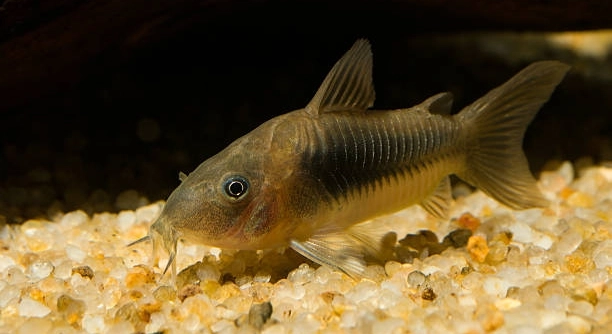
Moving a Corydoras Catfish to a new tank can cause stress, but with the right approach, your fish can adjust smoothly. Knowing the best practices will ensure they settle in well and thrive in their new environment.
Helping your Corydoras Catfish adjust to a tank move involves minimizing stress, maintaining water quality, and offering the right environment. Gradually acclimating them, keeping water parameters stable, and providing hiding spots are key strategies for success.
Proper care during this transition will promote your Corydoras Catfish’s well-being and reduce potential setbacks during their move.
Acclimating Your Corydoras Catfish to the New Tank
When moving your Corydoras Catfish to a new tank, the first step is to ensure the water parameters are as close to the old tank’s conditions as possible. Temperature, pH, hardness, and ammonia levels must all be considered. Sudden changes in these can cause stress or even harm. You can use a water testing kit to verify these levels before moving your fish. Additionally, using the same substrate and plants from the original tank can help create familiarity. A smooth transition begins with a carefully planned setup that minimizes any drastic changes to the environment.
Using a quarantine tank for the move helps prevent any potential diseases or pests from spreading. A tank with stable conditions allows your Corydoras to adjust without further stress.
Providing hiding spots in the new tank will also help your Corydoras feel secure. Adding objects such as plants, caves, or decorations gives them a place to rest and hide. These hiding spots reduce stress and allow the fish to acclimate at their own pace. The more comfortable they feel, the quicker they can adjust to their new environment.
Water Quality and Temperature
Maintaining proper water temperature is crucial during a tank move. Corydoras are sensitive to drastic shifts in temperature. Keeping the water in their new tank close to their old tank’s temperature is important for their comfort.
A heater with a reliable thermostat will help maintain consistent water temperature. In addition, avoiding overfeeding and keeping the tank clean will prevent a buildup of harmful substances in the water. Regularly changing the water and testing for toxins like ammonia or nitrites can keep the environment safe.
Water quality plays a significant role in the health of Corydoras Catfish. Poor water quality can increase the risk of disease and stress, making it harder for your fish to adjust. Keep a close eye on the water parameters for at least a few weeks after the move. Doing so will help ensure your fish remains healthy and active as they settle into their new space.
Gradual Acclimation Process
It’s best to slowly introduce your Corydoras to their new tank. Start by floating the bag containing the fish in the new tank for 15-20 minutes. This allows them to adjust to the water temperature. Afterward, add small amounts of tank water into the bag gradually.
Once they’ve had time to acclimate, gently release the fish into the tank. Do not rush the process. Giving them the time to adjust will help reduce the shock. Corydoras are sensitive to environmental changes, and gradual acclimation reduces stress. Keep an eye on them for signs of discomfort or distress.
Monitor the catfish closely for the first few hours after the move. If they seem lethargic or hide too much, it may indicate they need more time to adjust. Avoid disturbing them during this period, as sudden movements or noise can cause additional stress. Make sure they have access to their hiding spots, and check water parameters regularly.
Tank Setup and Environment
The environment plays a key role in your Corydoras’ successful transition. Ensure the tank is well-planted with plenty of space for the fish to explore. Corydoras are bottom-dwellers, so adding soft, fine substrate is beneficial for their comfort. Gravel or sand work best.
In addition to a comfortable substrate, placing plants or hiding spots along the tank’s bottom will make your fish feel more secure. Avoid overcrowding the tank with decorations. Too much clutter can restrict movement and make your fish feel stressed. A balanced setup with open space will encourage exploration without overwhelming them.
Good filtration is another critical factor. While Corydoras prefer calm waters, the tank should still be adequately filtered to maintain water quality. A filter that’s too strong can create an environment that’s difficult for them to navigate. Ensure water flow is gentle to avoid stressing them further during the transition.
Handling Stress
Stress can be detrimental to your Corydoras. During the move, avoid making sudden movements or loud noises around the tank. This can startle your fish and lead to more stress. Maintain a calm, quiet environment while they adjust.
Stress can weaken the immune system, making them more susceptible to illness. If your Corydoras seem stressed, try to minimize any additional disturbances. Keep the tank lighting dim and avoid tapping on the glass. This will help them feel secure and less anxious as they settle in.
Feeding After the Move
Feeding your Corydoras should be done with care after the move. Wait at least 24 hours before offering food. This gives them time to adjust to the new environment without additional pressure.
Once they’re settled, offer small amounts of food. Overfeeding can increase waste and reduce water quality, which can stress the fish. Only provide what they can eat within a few minutes. Monitor their eating habits, and ensure they are eating regularly. If they refuse food for an extended period, it may be a sign of stress.
Monitoring Water Parameters
Regularly checking water parameters is vital during the adjustment period. Keep an eye on temperature, pH, ammonia, and nitrate levels. Testing kits will help you track changes and maintain a stable environment.
Unstable water quality can add unnecessary stress to your Corydoras, making it harder for them to settle. If parameters shift, perform a water change to correct them. Stable water conditions are essential for your fish’s well-being and to minimize stress during their transition.
FAQ
How long does it take for Corydoras to adjust to a new tank?
The adjustment period for Corydoras typically takes 1 to 2 weeks. During this time, it’s important to monitor their behavior closely. If they appear lethargic or are hiding too much, it could indicate stress. It’s crucial to maintain stable water conditions and avoid disturbing the tank too much. Some Corydoras may take longer, depending on the tank’s setup and the conditions they were previously in. Gradually, they will become more active and explore their new environment once they feel comfortable.
Can Corydoras get stressed during a tank move?
Yes, Corydoras can get stressed during a tank move. Changes in water parameters, unfamiliar surroundings, and the process of acclimating to a new tank can cause stress. To minimize this, ensure the water in the new tank is similar to the previous one. Keep the tank environment calm by limiting noise and movement around the tank, and avoid overcrowding the space. Providing hiding spots and maintaining consistent water quality can help reduce stress and encourage the catfish to adjust more quickly.
What are the signs of stress in Corydoras catfish?
Signs of stress in Corydoras include lethargy, hiding for extended periods, loss of appetite, and erratic swimming behavior. If they start breathing rapidly or appear to be gasping at the surface, it could indicate poor water quality or oxygen levels. Stress can weaken their immune system, making them more susceptible to diseases. Monitoring the tank’s water quality and ensuring the fish have enough hiding spots will help reduce stress and allow the fish to acclimate.
Should I feed my Corydoras immediately after moving them?
It’s best to wait at least 24 hours before offering food after moving your Corydoras. This gives them time to acclimate to their new surroundings without the added stress of feeding. Once they seem settled, offer small amounts of food. Overfeeding can harm water quality and add to their stress. Monitor their eating habits, and if they refuse food for an extended period, it could be a sign they are still adjusting to the new tank.
Can I move my Corydoras to the new tank with other fish?
It’s advisable to avoid placing Corydoras with other fish during the initial move. Moving them into a new tank with established tankmates can increase stress. If you do plan to add other fish, it’s best to wait until the Corydoras have fully adjusted. New fish can introduce stress, territorial issues, and even disease, so patience is key. Introduce any other fish gradually, once the Corydoras are comfortable and eating regularly.
What’s the best substrate for Corydoras catfish after a tank move?
Corydoras prefer a soft, fine substrate, such as sand or small, rounded gravel. Sharp-edged substrates can cause damage to their sensitive barbels, so avoid using rough gravel. A fine substrate also allows them to dig and forage naturally, which they enjoy. Providing a suitable substrate will help reduce stress and encourage your Corydoras to behave as they would in their natural environment.
How do I maintain water quality for Corydoras after a tank move?
Maintaining water quality is crucial during the adjustment period. Perform regular water tests to monitor temperature, pH, ammonia, nitrites, and nitrates. It’s important to keep ammonia and nitrite levels at zero. Regular partial water changes are necessary, especially in the first few weeks after a tank move. A reliable filtration system will help maintain water quality, but it’s also important not to have a filter with too strong of a current, as Corydoras prefer calm waters.
What temperature should the water be in the new tank?
Corydoras prefer a water temperature between 72°F and 78°F (22°C to 26°C). Fluctuations in temperature can stress them out, so it’s important to maintain a consistent level. Use a heater with a reliable thermostat to ensure the temperature remains steady. Rapid changes in temperature can cause shock, making it harder for your Corydoras to adjust to the new tank.
How do I know if my Corydoras are healthy after moving?
Healthy Corydoras should be active, eating well, and swimming around the tank. If they’re exploring, interacting with their environment, and using their barbels to forage, they’re likely adjusting well. If they show signs of illness, such as faded coloration, visible lesions, or abnormal swimming, it could indicate stress or illness. Regularly check for signs of poor water quality or disease, and address any problems promptly to ensure the fish remain healthy.
Is it necessary to have a quarantine tank for Corydoras?
While a quarantine tank isn’t always necessary, it can be beneficial when moving Corydoras, especially if you’re introducing them to a tank with other fish. A quarantine tank helps prevent the spread of potential diseases and allows you to monitor the fish’s condition more closely. If possible, consider using a quarantine tank for a week or two before adding the Corydoras to the main tank. This practice can reduce the risk of introducing illness into your main tank.
Should I add plants to the new tank for my Corydoras?
Yes, adding plants to the tank can help your Corydoras adjust. Live plants provide hiding spots and mimic their natural environment. They also contribute to water quality by absorbing excess nutrients and helping to maintain stable water parameters. Plants also create areas of shelter, allowing the Corydoras to feel secure and less stressed. Choose plants that thrive in similar water conditions and that won’t overcrowd the tank.
Final Thoughts
Moving a Corydoras catfish to a new tank requires careful planning and attention to their needs. The adjustment period can be stressful for your fish, but with the right steps, they will adapt. Ensuring that the new tank has stable water conditions is the first priority. Make sure the temperature, pH, and water hardness match the conditions they were used to in their previous home. Sudden changes can cause significant stress, which could delay the adjustment process. Keep a close eye on the water quality, as poor conditions can lead to illness or further stress. A stable environment will help your Corydoras feel secure and comfortable as they adjust to their new home.
Feeding habits also play an essential role during the transition. It’s best to wait at least 24 hours before offering food to allow your Corydoras some time to settle. Once they are ready to eat, provide small amounts of food to avoid water pollution. Overfeeding, especially when they are still stressed, can cause waste buildup, which can negatively impact water quality. Observe their eating behavior and make sure they are consuming their food regularly. If they’re not eating after a few days, this might be a sign of stress. Patience is key when helping your Corydoras adjust to a new environment.
Finally, providing hiding spots and minimizing disturbances will support your Corydoras during this time. Plants, decorations, and caves offer security and a sense of familiarity. Corydoras are bottom dwellers and enjoy having places to explore and rest in. Limiting noise, sudden movements, and external disruptions around the tank will help reduce stress. While it might take a week or two for your fish to adjust fully, their behavior and activity levels will help you gauge how well they are settling in. Regular water checks and maintaining a calm environment will support their overall health and help them adapt more quickly to the new tank.

Hello,
If you enjoy the content that we create, please consider saying a "Thank You!" by leaving a tip.
Every little bit helps us continue crafting quality advice that supports the health, happiness, and well-being of pets around the world, for pets of all shapes, sizes, and species.
We really appreciate the kindness and support that you show us!