
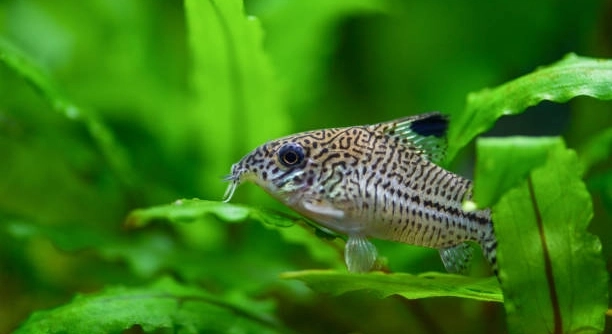
If you’ve noticed your Corydoras catfish hiding more than usual, it might be concerning. These fish are generally active, and a change in behavior could indicate something is wrong. Understanding the possible causes can help.
There are several reasons why your Corydoras catfish might be hiding more, such as stress, water quality issues, or changes in the tank environment. Other factors, like illness or overcrowding, can also contribute to this behavior.
Knowing what could be affecting your catfish is key to improving its well-being. Addressing these concerns early on will help your fish thrive in its environment.
Stress from Other Tankmates
Your Corydoras catfish might be hiding more if it’s feeling stressed by the other fish in the tank. Corydoras are peaceful creatures and can get anxious when there is too much activity or aggression from tankmates. Fish like cichlids or fast swimmers may overwhelm your catfish, causing it to seek refuge in a corner or under plants. Stress can also come from territorial disputes, especially if the tank is too small or overcrowded. The presence of aggressive fish can make the catfish feel unsafe, prompting it to hide as a defense mechanism.
If you’re noticing more hiding behavior, it might be time to evaluate the compatibility of your tank’s inhabitants. Consider whether your Corydoras is being intimidated by larger, more aggressive fish.
Providing plenty of hiding spots, like rocks, plants, or caves, can also help your catfish feel secure. Adding peaceful tankmates and maintaining proper tank space will reduce stress and allow your catfish to feel more comfortable and visible. Keeping an eye on the fish’s behavior will help you identify if stress is the main cause of the hiding.
Poor Water Quality
A common reason for hiding is poor water quality. If the water has high ammonia, nitrites, or fluctuating pH levels, it can make your Corydoras feel unsafe or unwell. These fish are sensitive to water changes, and poor conditions can cause them to hide in an attempt to avoid stress. Inconsistent water temperature can also lead to changes in behavior, as Corydoras prefer stable conditions.
Regular water changes, testing for ammonia or nitrites, and maintaining an appropriate filtration system can help keep your catfish healthy. Keep the water parameters stable, and your catfish will feel more secure and active in its environment. Adding live plants or substrates that help with water filtration also makes a noticeable difference in keeping things balanced.
Monitor water parameters frequently to catch problems early, ensuring the health of your Corydoras. If you are unfamiliar with the right water conditions, you can use a water testing kit to check levels regularly. Healthy water equals happier, more visible fish.
Illness or Injury
If your Corydoras catfish is unwell or injured, it may retreat to a hiding spot to rest. Illnesses, such as fungal or bacterial infections, can cause the fish to feel vulnerable and weak. Any visible wounds or signs of distress should be addressed immediately. Infections can affect your catfish’s behavior and appearance, including lethargy or reduced appetite.
Look for signs like fading color, swelling, or abnormal swimming patterns, as these may indicate health issues. Sick Corydoras will often hide to avoid predators and conserve energy for healing. If your catfish is hiding more than usual and showing symptoms, consider treating it with the appropriate medications.
Consult your veterinarian or aquarium expert to identify the problem and get a diagnosis. Early treatment is key to preventing further complications. Isolation in a quarantine tank can also help your Corydoras recover without the stress of other tankmates. Keeping a close eye on the situation and responding quickly can save your catfish from further harm.
Overcrowding
Overcrowding can cause your Corydoras catfish to feel stressed and hide more frequently. When there are too many fish in the tank, it limits the space available for each one. Corydoras are bottom-dwelling fish and need their space to swim and explore. Without enough room, they may become more reclusive and avoid interaction.
Make sure the tank is large enough for all its inhabitants. For every inch of fish, you should have at least one gallon of water to maintain a healthy environment. Overcrowding leads to poor water quality and increased aggression, which can further contribute to your Corydoras hiding.
When setting up your tank, be mindful of stocking levels. Overcrowding can lead to stress, illnesses, and eventually death if not managed properly. Ensure that the fish have enough space to swim comfortably and maintain a good level of social interaction without feeling overwhelmed. Keep an eye on your fish to make sure none of them are being bullied or outcompeted for resources.
Water Temperature Fluctuations
Changes in water temperature can cause your Corydoras catfish to hide more. These fish prefer stable conditions, and sudden shifts can stress them out. A fluctuating temperature can affect their immune system, causing them to retreat. Ensure your tank has a reliable heater to maintain a consistent temperature.
If the water is too warm or cold, your Corydoras may become lethargic and seek shelter. Keeping a thermometer in your tank helps monitor the temperature. Ideally, the water should be between 72°F and 78°F for Corydoras. Regular temperature checks can prevent unnecessary hiding due to discomfort.
Poor Diet
A poor diet can also lead to hiding behavior. If your Corydoras isn’t getting the right nutrients, it may become weak or sluggish. Low-quality food, lack of variety, or infrequent feedings can cause your fish to feel unsatisfied or stressed.
Feed your Corydoras a balanced diet with pellets, frozen food, and occasional live food. This will help improve its health and energy. Providing variety ensures that your fish gets the necessary nutrients to stay active and comfortable. A healthy diet is crucial to prevent hiding or lethargy from malnutrition.
Tank Setup
The tank setup plays a big role in your Corydoras’ comfort. If the tank lacks hiding spots or suitable places to swim, your fish may feel exposed and retreat more often. Corydoras enjoy having areas to explore and rest.
Adding caves, plants, or rocks can help your catfish feel more secure. A well-decorated tank allows them to feel safe and less stressed. This will also encourage natural behavior, like scavenging and exploring, reducing the chances of your Corydoras hiding unnecessarily. Make sure to keep the setup simple yet enriching for your fish.
FAQ
Why is my Corydoras catfish hiding but still eating?
If your Corydoras catfish is hiding but still eating, it could be due to stress or feeling insecure. It may not feel completely comfortable in its environment but still recognizes food as a positive stimulus. Check for stressors like aggressive tankmates or poor water quality. Corydoras are generally shy, and hiding is natural behavior, but consistent eating suggests it’s still functioning normally. If the hiding continues for extended periods, it might be worth investigating the water conditions or checking for illness.
Can Corydoras hide due to boredom?
Yes, Corydoras can hide if they’re bored. These fish are bottom dwellers and enjoy exploring their environment. If the tank is too sparse or lacks interesting elements like plants, rocks, or caves, your Corydoras may retreat more often. A lack of stimulation can cause your catfish to hide simply because it has nothing else to do. Providing enrichment in the form of decorations, hiding spots, and a varied diet can encourage more active behavior.
How do I know if my Corydoras is stressed?
Stressed Corydoras often exhibit signs like hiding more than usual, swimming erratically, or staying at the bottom of the tank. Stress can also cause a loss of appetite or change in color. The fish may seem lethargic or unresponsive. Observing your Corydoras’ behavior can help you detect stress early. To confirm, check for environmental factors like water quality, tankmates, and temperature. Stress often stems from poor conditions, so addressing those can ease the problem.
Can Corydoras hide if they are sick?
Yes, hiding is a common behavior for sick Corydoras. When they feel unwell, they may retreat to a quiet spot to recover. Illnesses, such as skin infections, parasites, or internal issues, can cause your Corydoras to hide and appear lethargic. You may also notice other signs like faded colors, bloating, or abnormal swimming. If you suspect your fish is sick, check its appearance and behavior carefully. A visit to a vet or treatment with aquarium-safe medications may be necessary.
What can I do to reduce hiding in Corydoras?
To reduce hiding in Corydoras, address the factors that may be causing stress. Ensure your tank has plenty of hiding spots to make the fish feel secure. Maintain good water quality, check for proper temperature, and make sure your fish aren’t stressed by other tankmates. A balanced diet and stable conditions will also help encourage more active behavior. If the fish continues to hide despite improving these factors, monitor for health issues like parasites or infections.
Do Corydoras need to be in groups?
Yes, Corydoras are social fish and feel more secure when kept in groups. These fish are bottom dwellers that naturally school in the wild. Being in a group reduces stress and encourages more natural behavior. Keeping at least three to five Corydoras together is ideal for their well-being. A group also makes them more likely to interact and explore the tank, which can reduce excessive hiding.
Can water temperature affect Corydoras behavior?
Yes, water temperature has a significant impact on Corydoras behavior. These fish thrive in a stable temperature range of 72°F to 78°F. Fluctuations outside this range can cause stress, making your Corydoras hide more frequently. Cold water may cause them to become sluggish, while excessively warm water can lead to respiratory problems and other stress-related issues. Ensure your tank has a reliable heater and thermometer to maintain a consistent temperature.
What are the common signs of illness in Corydoras?
Common signs of illness in Corydoras include loss of appetite, faded or patchy coloring, swollen body parts, visible sores or lesions, and abnormal swimming behavior. If your catfish is staying at the bottom of the tank or hiding more than usual, it could be sick. You might also notice rapid gill movement or cloudy eyes. If these symptoms appear, it’s important to quarantine the fish and consult an expert for diagnosis and treatment.
How do I prevent Corydoras from hiding too much?
Preventing excessive hiding involves ensuring the tank environment is ideal for your Corydoras. Provide hiding spots but not too many, so the fish still feels safe without being overwhelmed. Maintain stable water parameters, including temperature, pH, and ammonia levels. Monitor tankmates for aggression or bullying, as these can lead to hiding behavior. Lastly, ensure your fish is getting a proper diet and sufficient space to swim.
Is it normal for Corydoras to hide at night?
Yes, it’s normal for Corydoras to hide at night. These fish are nocturnal by nature, so they are more active during the evening and early morning hours. They often seek shelter during the daytime and emerge at night to forage. This behavior is completely normal, but if you notice your Corydoras hiding throughout the day and night, it may indicate other problems like stress or illness.
How can I make my Corydoras feel more comfortable in its tank?
To make your Corydoras feel more comfortable, ensure the tank has plenty of plants, caves, and hiding spots for security. Provide stable water conditions and regular water changes to keep the environment clean. Avoid sudden changes in temperature or lighting, as these can stress your fish. Offering a varied, nutritious diet will also contribute to its overall well-being. Lastly, avoid overcrowding and ensure your Corydoras has enough space to swim and explore comfortably.
Can I keep Corydoras in a tank with shrimp or snails?
Yes, Corydoras can typically be kept with shrimp and snails. These fish are peaceful and tend to avoid small invertebrates. Shrimp and snails also help keep the tank clean, and Corydoras won’t usually bother them. However, larger or more aggressive species of shrimp may cause stress to your catfish. It’s important to monitor interactions to ensure harmony between your tank’s inhabitants.
How often should I feed my Corydoras catfish?
Corydoras should be fed once or twice a day. They are bottom feeders and may take time to eat, especially if you have other, more active fish in the tank. Offering small amounts of food helps ensure that the catfish gets its share without overfeeding. Avoid overfeeding, as excess food can lead to poor water quality, which can affect your fish’s health. A varied diet of high-quality pellets, frozen or live food, will keep your Corydoras healthy and active.
Can I add other bottom-dwelling fish with my Corydoras?
You can add other bottom-dwelling fish with your Corydoras, but make sure they are peaceful species. Avoid adding aggressive fish that may bully your Corydoras or compete for food. Fish like other catfish, loaches, or peaceful species of tetras can cohabit well with Corydoras. Just be sure there’s enough space and resources in the tank for everyone.
Final Thoughts
Corydoras catfish are generally peaceful, bottom-dwelling fish that can make great additions to your aquarium. However, when they start hiding more than usual, it can be a sign that something is off. It’s important to pay attention to the behavior of your fish to understand the root cause of their hiding. While occasional hiding is normal, particularly during the night, frequent hiding during the day can be a signal of stress, illness, or poor water conditions. By understanding the factors that could affect your Corydoras, you can take steps to address the issue and improve their well-being.
If your Corydoras catfish is hiding, start by checking the basics like water quality, temperature, and tank conditions. Make sure the water parameters, including ammonia, nitrites, and pH, are stable and within the ideal range for Corydoras. Temperature fluctuations, overcrowding, or aggressive tankmates can also lead to increased hiding behavior. In such cases, improving the environment by providing more hiding spots, adjusting the tankmates, or reducing the number of fish can help reduce stress. A proper diet is another key factor; offering varied and nutritious food will keep your Corydoras healthy and more likely to stay active in the tank.
If after addressing these factors, your Corydoras continues to hide or shows signs of illness, it’s essential to take the next step and observe for any potential health issues. Changes in color, behavior, or swimming patterns could indicate illness. In this case, isolating the fish in a quarantine tank and seeking expert advice or medication may be necessary. Keep in mind that Corydoras are social creatures, and ensuring they are not alone or isolated in the tank will also help. Ultimately, creating a balanced and peaceful environment is the key to keeping your Corydoras happy and healthy.

Hello,
If you enjoy the content that we create, please consider saying a "Thank You!" by leaving a tip.
Every little bit helps us continue crafting quality advice that supports the health, happiness, and well-being of pets around the world, for pets of all shapes, sizes, and species.
We really appreciate the kindness and support that you show us!