
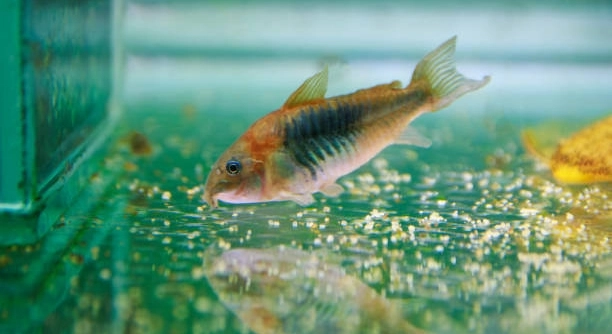
Corydoras catfish are often a lively and entertaining addition to your aquarium. However, when they stop swimming normally, it can be a sign of trouble. Understanding why they may not be swimming properly is essential for their health.
The most common causes for your Corydoras not swimming normally include water quality issues, illness, stress, or injury. Each of these factors can affect your catfish’s behavior, making it important to address the underlying problem quickly.
Addressing water conditions, checking for signs of illness, and providing a stress-free environment can help get your Corydoras back to swimming smoothly.
Water Quality Issues
If your Corydoras are not swimming properly, the first thing to check is the water quality. Corydoras catfish are sensitive to changes in their environment, particularly water parameters like temperature, pH, ammonia, nitrites, and nitrates. Poor water quality can lead to stress, causing your fish to behave unusually. Dirty or contaminated water may cause irritation to their gills and skin, preventing them from moving freely.
Test your tank water using a reliable kit to ensure levels are within the recommended range. A clean tank with proper filtration is key to maintaining a healthy environment. If necessary, change the water and clean the filter.
Regular maintenance, such as water changes and proper filtration, can go a long way in preventing water quality issues. The better the water conditions, the happier your Corydoras will be, and they’ll likely swim more actively. Always remember to monitor the water regularly to avoid future issues.
Illness or Injury
If the water is fine, illness or injury may be affecting your Corydoras.
Infections or injuries can hinder their ability to swim. Look for any visible signs like swelling, wounds, or changes in color. Injuries could occur from sharp objects in the tank, while diseases like parasites or bacterial infections can impact their movement. If you notice anything unusual, isolating the affected fish and seeking treatment is important.
Most illnesses that affect Corydoras involve either parasites or bacterial infections that can make them lethargic or prevent swimming. For example, a common disease like “flexibacter” can cause their fins to deteriorate and impair their movement. It’s important to quarantine and treat any sick fish to prevent spreading to others in the tank.
Stress Factors
Corydoras catfish can be easily stressed by sudden changes in their environment. Factors like excessive noise, bright lights, or overcrowding can make them feel unsafe. Stress can lead to abnormal swimming behavior, such as swimming erratically or staying in one spot.
Ensure your aquarium is in a calm, quiet area and avoid making abrupt changes. Corydoras also need tank mates that are peaceful; aggressive fish may contribute to their stress. Avoid handling them too much, as it can also cause anxiety. Consider adding plants or hiding spots to give them a sense of security.
When stressed, Corydoras may stop eating or become sluggish. This behavior can lead to more health problems down the line. Creating a stress-free environment with the right lighting, tank mates, and hiding places is crucial for their well-being.
Inadequate Diet
A poor diet can directly affect your Corydoras’ swimming abilities. These fish require a well-balanced diet, including high-quality pellets, algae wafers, and occasional protein sources like frozen foods. Lack of proper nutrition can lead to weakness and lethargy, impacting their movement.
Ensure you are feeding them appropriately-sized food that suits their small mouths. Overfeeding can lead to water quality issues and cause your Corydoras to become sluggish. On the other hand, underfeeding can leave them weak, reducing their ability to swim properly.
Consider adding variety to their diet to make sure they’re getting all the nutrients they need. Incorporating foods like bloodworms, brine shrimp, and vegetables can help improve their overall health. A balanced diet is essential for keeping your Corydoras active and swimming happily.
Tank Conditions
The setup of your tank can impact your Corydoras’ swimming patterns. If the tank is too small or overcrowded, it can limit their ability to swim freely. They need enough space to move comfortably.
Make sure your tank has proper filtration and is large enough for the number of fish you have. Corydoras prefer tanks with gentle water flow, so ensure that the filter isn’t creating too much current.
Regularly check your tank setup to confirm it’s suitable for their needs. If necessary, consider upgrading your tank or adding more plants and hiding spots.
Temperature
Corydoras need stable water temperature. If the temperature is too high or low, it can cause stress and affect their movement.
Make sure the water stays within the ideal range of 72-78°F (22-26°C). A good aquarium heater and thermometer can help maintain a stable environment. Frequent temperature fluctuations can weaken your Corydoras, leaving them more vulnerable to diseases.
Overexertion
If your Corydoras are swimming in circles or swimming excessively, they may be overexerting themselves.
Ensure they have places to rest in the tank, such as plants or caves. Overexertion can be caused by the lack of adequate resting spots. If the fish feel constantly active or unsafe, their behavior can quickly change.
FAQ
What is the ideal tank size for Corydoras catfish?
Corydoras catfish are small, but they still require enough space to swim and feel comfortable. A 20-gallon tank is generally the minimum size recommended for a small group of Corydoras. Larger tanks provide more room for them to move around and help maintain better water quality.
If you plan to keep multiple fish, increasing the tank size is essential. Overcrowding can cause stress, leading to abnormal swimming behavior. A larger tank also allows for better filtration and water circulation, both of which are important for the health of Corydoras.
How can I prevent my Corydoras from getting stressed?
Corydoras are sensitive to environmental stressors. To minimize stress, maintain consistent water quality, avoid sudden temperature fluctuations, and keep the lighting in the tank gentle. They are also peaceful fish, so it’s important to avoid aggressive tank mates.
Make sure there are enough hiding spots, such as plants or caves, where they can retreat when feeling unsafe. A quiet tank environment with minimal disturbances is best. Ensure they have room to swim freely and are not overcrowded, as this can also cause stress.
What should I do if my Corydoras stops eating?
If your Corydoras stops eating, it may be a sign of illness, stress, or poor water quality. First, check the water parameters, and ensure everything is in the ideal range. Poor water quality can suppress their appetite. If the water is fine, check for any visible signs of illness, such as swollen areas, discoloration, or lesions.
Try offering a variety of foods to stimulate their appetite. Corydoras can be picky eaters at times, so changing up the food can help. If the problem persists, consider isolating the fish and treating it for potential illness.
Can Corydoras be kept with other fish?
Yes, Corydoras are peaceful and typically do well with other calm, non-aggressive fish. They are bottom-dwellers, so they don’t usually compete for the same space. However, it’s best to avoid keeping them with fin-nipping species or overly aggressive fish.
Community tanks are ideal, and Corydoras are often kept alongside tetras, gouramis, or peaceful livebearers. The key is to ensure all fish in the tank have similar care needs and temperament.
Why is my Corydoras swimming upside down?
If your Corydoras is swimming upside down, it could be a sign of a problem with their swim bladder. This organ controls their buoyancy, and if it’s not functioning properly, it can cause them to float in abnormal positions or struggle to maintain balance.
In some cases, swim bladder issues are linked to overfeeding, poor diet, or stress. If the problem persists, check the water conditions and make sure the fish isn’t stressed. In more severe cases, the fish may need to be treated for an underlying health condition.
How often should I change the water in my Corydoras tank?
Water changes are an essential part of maintaining a healthy tank for Corydoras. Aim to change about 20-30% of the water every week. Regular water changes help to keep harmful toxins, like ammonia and nitrites, at safe levels.
If you have a heavily stocked tank or poor filtration, you may need to do more frequent water changes. Always make sure the new water is at the same temperature and has similar parameters to avoid shocking your fish.
How can I improve the water quality in my Corydoras tank?
Improving water quality involves regular maintenance like water changes, proper filtration, and testing water parameters. Use a good filter to keep the water clean and ensure it’s providing gentle flow, as Corydoras prefer calm waters.
Test the water regularly for ammonia, nitrites, nitrates, and pH levels. Keep the water temperature stable between 72-78°F (22-26°C). Avoid overfeeding, as uneaten food can degrade water quality. Adding live plants can help with filtration and improve the overall environment.
Can Corydoras survive in cold water?
Corydoras catfish are not cold-water fish and should not be kept in tanks with temperatures below 70°F (21°C). Cold water can cause stress and make them more susceptible to illnesses. If you live in a colder climate, make sure your tank has a reliable heater to maintain a stable temperature.
These fish thrive in tropical temperatures, so it’s important to maintain the right warmth for their health and activity levels. Cold water will lead to lethargy and a weakened immune system.
Why are my Corydoras staying at the bottom of the tank?
Corydoras are bottom-dwellers, so it’s natural for them to spend much of their time near the bottom of the tank. However, if they seem lethargic or are staying in one spot without swimming around, it could indicate a problem with water quality, stress, or illness.
Check the water parameters and look for any signs of distress or disease. If they are not swimming as usual, they may also be suffering from injury or infection. Always observe their behavior to catch any potential issues early.
How can I tell if my Corydoras is healthy?
Healthy Corydoras catfish are active, social, and have a clean, shiny appearance. Their bodies should be free from visible lesions, swelling, or discoloration. They should be swimming regularly and interacting with tank mates.
If your Corydoras is not swimming normally, has dull coloring, or is acting lethargic, it could indicate a health problem. Always monitor their behavior and physical condition to detect any changes early on.
Final Thoughts
Understanding why your Corydoras catfish may not be swimming normally is essential for providing them with the best care. Whether it’s due to water quality issues, stress, or illness, each factor plays a role in their overall health. Identifying the underlying cause and addressing it promptly can prevent further complications. Corydoras are generally hardy fish, but they do require a stable, clean environment to thrive. By keeping their tank clean, monitoring water parameters, and offering a balanced diet, you can help your Corydoras stay healthy and active.
When faced with abnormal behavior like lack of swimming or lethargy, it’s crucial to first look at their environment. Water quality issues are a common cause, and improving filtration, performing regular water changes, and testing the water frequently can make a significant difference. Corydoras also rely on consistent temperature and gentle water flow to feel comfortable. If any changes are made to the tank, such as a new filter or a change in location, be mindful of how these changes could affect your fish’s behavior. In some cases, Corydoras may need time to adjust to their environment, and patience is key.
If you’ve ruled out environmental factors, illness or injury might be the next thing to check. Corydoras can be prone to certain diseases or injuries that affect their ability to swim properly. It’s important to monitor your fish closely for signs of illness, such as unusual coloration, swelling, or wounds. Early intervention can help to treat these issues before they become serious. In any case, always observe their behavior and health to keep them in good condition. Taking a proactive approach and addressing problems as soon as they arise will help keep your Corydoras swimming happily for a long time.

Hello,
If you enjoy the content that we create, please consider saying a "Thank You!" by leaving a tip.
Every little bit helps us continue crafting quality advice that supports the health, happiness, and well-being of pets around the world, for pets of all shapes, sizes, and species.
We really appreciate the kindness and support that you show us!